Category: Uncategorised

  • Female Testosterone: Causes, Symptoms & Solutions

    Medical Disclaimer: The information provided on Women Steps regarding hormonal health and endocrinology is for educational purposes only and is not intended as a substitute for professional medical advice, diagnosis, or treatment. Always consult a qualified physician or board-certified endocrinologist regarding any hormonal symptom or medical condition.

    Is testosterone strictly a male hormone? Not at all. While often categorized as a male androgen, testosterone serves as a critical biological driver for female metabolic stability, bone density, cognitive stamina, and reproductive health.

    Although healthy women produce roughly 10% of the testosterone amount produced by men, this hormone acts as a foundational precursor for estrogen synthesis while modulating cellular energy pathways throughout the body. When androgen levels fluctuate out of balance, the biological consequences can impact daily quality of life.

    Across the United States, clinical research in female endocrinology has elevated androgen optimization as a priority for treating chronic fatigue, loss of lean tissue, libido shifts, and metabolic dysregulation.

    The Physiology of Female Testosterone

    In women, circulating testosterone originates from three primary sources: the ovaries (25%), the adrenal glands (25%), and peripheral conversion of adrenal steroids like DHEA and androstenione in peripheral tissues (50%). Official guidance from the Endocrine Society confirms that testosterone works alongside estrogen and progesterone to maintain systemic equilibrium.

    Essential Biological Functions Include:

    • Bone Architecture & Density: Stimulates osteoblast cell division, aiding in osteopenia and osteoporosis prevention.
    • Vascular & Endothelial Health: Receptors in blood vessel walls utilize balanced androgens to maintain arterial elasticity and nitric oxide release.
    • Sexual & Reproductive Function: Directly fuels hypothalamic pathways governing sexual desire, vaginal tissue hydration, and clitoral sensitivity.
    • Metabolic Rate & Lean Tissue: Regulates protein synthesis to preserve lean muscle mass and optimize resting energy expenditure.

    Signs of High Testosterone (Hyperandrogenism)

    Hyperandrogenism is most commonly driven by Polycystic Ovary Syndrome (PCOS), insulin resistance, or congenital adrenal hyperplasia. Diagnostic guidelines published by the Mayo Clinic list several prominent symptoms of excess androgen levels:

    • Dermatological Symptoms: Severe cystic acne (especially along the jawline and neck), androgenic alopecia (hair thinning along the crown), and hirsutism (coarse terminal hair growth on the face, chest, or abdomen).
    • Ovulatory Dysfunction: Oligomenorrhea or complete amenorrhea resulting from blocked follicle maturation.
    • Metabolic Disturbances: Rapid abdominal fat accumulation coupled with systemic insulin resistance.
    • Psychological Shifts: Irritability, anxiety, and unexplained emotional volatility.

    Signs of Low Testosterone in Women

    Androgen deficiency often goes undiagnosed due to symptom overlap with hypothyroidism or clinical depression. Clinical signs include:

    • Persistent Fatigue & Low Stamina: Severe exhaustion that does not improve despite adequate sleep duration.
    • Hypoactive Sexual Desire Disorder (HSDD): A marked, continuous decline in sexual desire, responsiveness, and satisfaction.
    • Sarcopenia & Muscle Loss: Progressive loss of muscular strength and tone despite regular physical activity.
    • Cognitive Decline: Memory fog, lack of goal-directed motivation, and persistent low mood.

    Primary Root Causes of Androgen Imbalance

    Multiple biological and external drivers can disrupt androgenic hormone synthesis:

    1. Hyperinsulinemia & PCOS: High fasting insulin levels signal ovarian theca cells to synthesize excess testosterone while simultaneously suppressing hepatic production of Sex Hormone-Binding Globulin (SHBG).
    2. Perimenopause & Age-Related Decline: Ovarian androgen secretion drops naturally by up to 50% between a woman’s 20s and her 40s.
    3. Oral Contraceptive Use: Synthetic estrogen in oral contraceptives stimulates elevated hepatic SHBG synthesis, which binds free circulating testosterone and lowers bioavailable levels. Further clinical analysis is available through the National Institutes of Health (NIH).
    4. Chronic HPA-Axis Stress: Sustained high cortisol levels trigger “pregnenolone steal,” suppressing gonadotropin-releasing hormone (GnRH) and dampening downstream testosterone synthesis.

    Clinical Testing & Diagnostic Protocol

    Evaluating female testosterone requires liquid chromatography-mass spectrometry (LC-MS/MS) blood assays to measure tiny circulating concentrations accurately:

    Diagnostic Assay Clinical Reference / Goal Diagnostic Purpose
    Total Testosterone 15 – 70 ng/dL Quantifies total circulating protein-bound and unbound hormone concentrations.
    Free Testosterone 0.5 – 5.0 pg/mL Measures bioavailable testosterone capable of binding cellular androgen receptors.
    SHBG Marker 30 – 135 nmol/L Evaluates carrier protein capacity binding active sex steroids.
    DHEA-S Serum Assay 35 – 430 µg/dL Identifies whether androgen excess originates from adrenal cortex activity.

    Diagnostic Tip: Serum testing should be conducted between 7:00 AM and 10:00 AM—when circadian testosterone peaks—and drawn during days 2 through 5 of the follicular phase for menstruating women.

    Evidence-Based Interventions & Therapies

    Medical Management

    • For Elevated Testosterone: Physicians may prescribe anti-androgens like Spironolactone, specialized oral contraceptives with low androgenic potential, or Metformin to resolve underlying hyperinsulinemia.
    • For Low Testosterone: Low-dose, off-label transdermal testosterone creams or gels may be used under specialist supervision to manage HSDD, as outlined by the Cleveland Clinic.

    Lifestyle & Dietary Protocols

    • Progressive Resistance Training: Multi-joint strength exercises trigger positive neuromuscular adaptations and improve insulin receptor sensitivity.
    • Low-Glycemic Nutritional Framework: Reducing refined carbohydrates helps stabilize blood glucose, lower fasting insulin, and regulate SHBG production.
    • Micronutrient Supplementation: Ensure optimal levels of Zinc, Magnesium Bisglycinate, and Vitamin D3—essential cofactors for steroidogenesis.

    Take Control of Your Endocrine Health

    Understanding your androgen profile is an essential component of comprehensive endocrine health. Whether managing symptoms of PCOS or addressing unexplained fatigue, partnering with a qualified endocrinologist or functional medicine practitioner enables an individualized care plan. You can also explore related wellness strategies, such as restoring gut health, to support overall hormonal balance.

    Frequently Asked Questions (FAQ)

    1. What is considered a normal testosterone level for women?
    Standard reference ranges typically fall between 15 and 70 ng/dL for total testosterone. However, symptom evaluation alongside bioavailable free testosterone levels is required for accurate interpretation.

    2. How does birth control cause androgen deficiency?
    Combined oral contraceptives containing ethinyl estradiol trigger elevated hepatic production of SHBG, which binds free testosterone and reduces bioavailable hormone levels.

    3. Do testosterone levels decline suddenly during menopause?
    No. Unlike estrogen, which drops sharply during menopause, testosterone decreases gradually with age. By post-menopause, a woman typically produces roughly half the testosterone she had in her early twenties.

    4. What role does insulin play in high female testosterone?
    Elevated insulin acts synergistically with luteinizing hormone (LH) to stimulate androgen synthesis in the ovaries, while simultaneously reducing liver production of SHBG.

    5. Is Testosterone Replacement Therapy (TRT) safe for women?
    When prescribed in physiologically appropriate doses (roughly 1/10th of male doses) and monitored closely via blood work, transdermal testosterone therapy can be safe and effective for low libido and persistent fatigue.


    About the Author

    RICHA M is an entrepreneur and digital content strategist dedicated to delivering clear, research-driven insights into global health and wellness trends. She bridges complex endocrine data and everyday wellness strategies to empower readers worldwide.



  • Science-Based Guide to Gut Health: Healing Leaky Gut

    Medical Disclaimer: The information provided on Women Steps regarding gut health and wellness is for educational and informational purposes only and is not intended as a substitute for professional medical advice, diagnosis, or treatment. Always consult a qualified physician or healthcare provider regarding any health condition or treatment plan.

    Maintaining optimal overall health and long-term longevity begins with a resilient biological barrier: the intestinal epithelial lining. Modern clinical gastroenterology indicates that safeguarding your gut wall can significantly reduce systemic inflammation, prevent autoimmune activation, and optimize nutrient bio-availability by addressing increased intestinal permeability (commonly referred to as leaky gut).

    Understanding the Intestinal Barrier & Zonulin Signaling

    The human small intestine spans roughly 20 feet with a microscopic surface area covering nearly 2,000 square feet. This extensive mucosal surface is lined by a single layer of epithelial cells joined together by protein structures called tight junctions (including occludin and claudins).

    A key biological biomarker governing this boundary is Zonulin—a protein that modulates the opening and closing of intercellular tight junctions. According to landmark clinical studies published by the National Institutes of Health (NIH), elevated zonulin secretion causes tight junctions to unlock, allowing undigested food particles, environmental toxins, and lipopolysaccharides (LPS) directly into the bloodstream.

    Key Drivers of Intestinal Permeability

    Modern lifestyle and dietary exposures can trigger chronic zonulin release and disrupt microbiome equilibrium:

    • Ultra-Processed Diets & Emulsifiers: Synthetic dietary additives and high refined sugar intake erode the protective mucus lining and alter microbial diversity.
    • Gluten & Gliadin Sensitivity: Gliadin proteins found in wheat trigger zonulin release in susceptible individuals, leading to heightened barrier breakdown.
    • Chronic Neuroendocrine Stress: Stress-induced cortisol elevations decrease localized intestinal blood flow and alter tight junction assembly.
    • NSAIDs & Pharmacological Irritants: Nonsteroidal anti-inflammatory drugs inhibit prostaglandin synthesis, weakening the mucosal defense barrier.

    The Systemic Impact: From Leaky Gut to Systemic Disease

    When bacterial endotoxins breach a hyperpermeable gut, the immune response initiates widespread physiological effects across multiple organ systems:

    System Pathophysiological Impact Clinical Manifestations
    Immune System Circulating endotoxins induce continuous low-grade inflammatory signaling. Autoimmune reactivity, chronic joint discomfort, skin flares (eczema/rosacea).
    Metabolic System Pro-inflammatory cytokines interfere with cellular insulin receptor pathways. Insulin resistance, metabolic syndrome, metabolic fatigue.
    Gut-Brain Axis Neuro-inflammation triggered via the vagus nerve and blood-brain barrier transport. Brain fog, chronic fatigue, anxiety, and mood dysregulation.

    Data compiled by the Centers for Disease Control and Prevention (CDC) underscores the growing connection between chronic low-grade inflammation and modern metabolic disorders.

    Evidence-Based Interventions: Repairing the Intestinal Barrier

    Prominent functional medicine research, including whole-food nutritional strategies highlighted by figures like Dr. Michael Greger (author of How Not to Die), emphasizes plant-focused dietary protocols for mucosal restoration.

    Cruciferous vegetables—especially broccoli and broccoli sprouts—contain powerful bioactive compounds essential for structural gut repair:

    • Indole Carbazoles & AhR Activation: These compounds bind to Aryl Hydrocarbon Receptors (AhR) along the intestinal lining, actively signaling epithelial stem cells to rebuild tight junction complexes.
    • Sulforaphane Activation: When plant cell walls are broken down, the enzyme myrosinase transforms glucoraphanin into sulforaphane—a potent Nrf2 activator that suppresses oxidative tissue damage. Learn more about phytonutrient bioavailability through the Harvard T.H. Chan School of Public Health.
    • Short-Chain Fatty Acid (SCFA) Production: Soluble dietary fibers undergo bacterial fermentation in the colon to produce butyrate—the primary energy source for colonocytes that physically reinforces the gut wall.

    Clinical Protocol for Restoring Gut Function

    1. Eliminate Barrier Disturbers: Minimize refined sugars, artificial sweeteners, excessive alcohol, and unnecessary NSAID usage.
    2. Optimize Cruciferous Preparation: Apply the “chop and wait” method—chop cruciferous vegetables 40 minutes prior to light cooking to maximize active sulforaphane yield.
    3. Target 30+ Plant Foods Weekly: Consuming diverse fibers from legumes, seeds, whole grains, and leafy greens expands commensal bacterial strains.
    4. Incorporate Targeted Prebiotics & Fermented Foods: Include kimchi, sauerkraut, kefir, and garlic to supply active probiotic cultures alongside fermentable substrates.

    Frequently Asked Questions (FAQ)

    1. How long does it take to repair the intestinal barrier?
    Timeline variations depend on baseline intestinal tissue damage. However, consistent dietary protocols focusing on anti-inflammatory nutrients and fiber typically produce measurable marker improvements within 2 to 12 weeks.

    2. Can intestinal permeability be evaluated through diagnostic testing?
    Yes. Clinical practitioners often evaluate gut barrier integrity using serum zonulin assays, stool microbiome sequencing panels, or lactulose/mannitol urine tests.

    3. What are the primary warning signs of compromised gut barrier function?
    Common signs include persistent abdominal distention, systemic brain fog, unexplained skin eruptions, joint stiffness, chronic fatigue, and new food intolerances.

    4. Why is sulforaphane specifically beneficial for gut health?
    Sulforaphane activates cellular protection through Nrf2 pathways, mitigating localized oxidative inflammation and stimulating cellular repair within the intestinal mucosa.

    5. How do Short-Chain Fatty Acids (SCFAs) support gut sealing?
    SCFAs such as butyrate serve as the direct cellular fuel for colon lining cells, enhancing mucin production and tightening cellular junction barriers against endotoxin leakage.


  • How to Lower Uric Acid Naturally: Diet, Symptoms, and Management

    Medical Disclaimer: The content on Women Steps is provided for educational and informational purposes only and is not intended as medical advice. Always consult a qualified healthcare professional regarding any medical condition or treatment plan.

    High uric acid (hyperuricemia) can lead to painful gout flares and long-term joint damage. Discover evidence-based foods to lower uric acid levels, recognize key symptoms early, and implement practical lifestyle strategies to support kidney function.

    Understanding Uric Acid: What You Need to Know

    Uric acid is a natural waste product formed when your body breaks down purines—compounds found naturally in human cells and specific foods. Normally, the kidneys filter uric acid from the bloodstream and excrete it through urine.

    When the body produces excess uric acid or the kidneys excrete too little, it results in hyperuricemia. Over time, unmanaged levels can form sharp, needle-like urate crystals in joints, causing gout—a complex form of inflammatory arthritis. According to research published by the Centers for Disease Control and Prevention (CDC), managing diet and lifestyle plays a central role in mitigating flare-ups.

    Common Symptoms of High Uric Acid

    Hyperuricemia often remains asymptomatic until a sudden gout attack occurs. Key clinical indicators include:

    • Intense Joint Pain: Severe discomfort typically affecting the big toe, ankles, knees, or wrists.
    • Inflammation and Erythema: Affected joints become swollen, visibly red, tender, and warm.
    • Restricted Range of Motion: Joint stiffness that limits mobility as inflammation progresses.
    • Tophi Formation: Hard nodular deposits of urate crystals under the skin resulting from chronic elevation.

    Uric Acid Reference Ranges

    Standard diagnostic ranges in the United States categorize serum uric acid levels as follows:

    Category Men Women
    Low Below 2.5 mg/dL Below 1.5 mg/dL
    Normal 2.5 – 7.0 mg/dL 1.5 – 6.0 mg/dL
    High (Hyperuricemia) Above 7.0 mg/dL Above 6.0 mg/dL

    Note: Target ranges can vary based on underlying conditions. Consult a healthcare professional to review blood panels.

    6 Foods to Help Lower Uric Acid Naturally

    Adjusting nutrient intake helps lower purine load and supports renal clearance. Incorporating these nutrient-dense options aids systemic management:

    1. Berries (Strawberries, Blueberries, Raspberries)
    Rich in anthocyanins—flavonoids with potent anti-inflammatory properties—berries help suppress joint inflammation while dietary fiber assists metabolic clearance.

    2. Apples
    Apples contain malic acid, which supports the neutralization of uric acid in the bloodstream, alongside dietary soluble fiber that promotes metabolic health.

    3. Vitamin C-Rich Citrus (Lemons & Oranges)
    Vitamin C assists kidney filtration. Data from the National Institutes of Health (NIH) highlights the role of micronutrients in supporting urinary excretion of metabolic waste.

    4. Carrots and Cucumbers
    Composed of roughly 95% water, cucumbers promote hydration and renal flushing. Carrots supply essential antioxidants and fiber to help support kidney function.

    5. Bananas
    Naturally low in purines and high in potassium, bananas help prevent crystallization and support effective renal filtration.

    6. Tart Cherries
    Studies referenced by the Arthritis Foundation show that tart cherry extract reduces serum urate levels and markers like C-reactive protein (CRP).

    Lifestyle Strategies for Long-Term Management

    1. Maintain Continuous Hydration: Drinking 8–10 glasses of water daily keeps urine diluted and aids clearance.
    2. Restrict High-Purine Foods: Minimize red meats, organ meats, and high-purine seafood (e.g., sardines, anchovies).
    3. Eliminate High-Fructose Corn Syrup: Fructose accelerates ATP breakdown in cells, driving up uric acid synthesis.

    Frequently Asked Questions

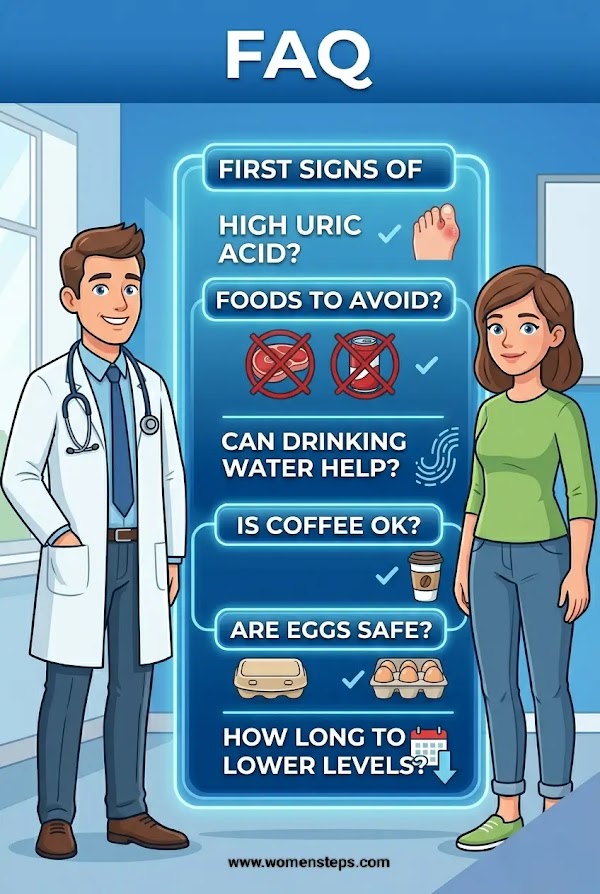
    1. What are the first warning signs of high uric acid?
    The most common early sign is sudden, acute joint pain—typically in the big toe—often starting overnight alongside swelling, redness, and warmth.

    2. Which foods should I avoid if I have high uric acid?
    Limit high-purine items, including red meat, organ meats, shellfish, alcohol (especially beer), and foods containing high-fructose corn syrup.

    3. Can drinking water lower uric acid?
    Yes. Adequate hydration increases urine output, helping the kidneys remove excess uric acid and preventing crystal formation.

    4. Is coffee safe for uric acid levels?
    Observational studies suggest moderate coffee intake (both regular and decaf) may correlate with lower uric acid levels by supporting renal excretion.

    5. Are eggs safe on a low-purine diet?
    Yes. Eggs are low in purines and serve as an excellent protein source for individuals managing hyperuricemia.

    6. How long does it take to lower uric acid naturally?
    Dietary adjustments can yield initial blood marker improvements within weeks, but sustainable, clinical reductions generally require 3 to 6 months of consistent lifestyle management.


  • Empowering Rural Girls in STEM: Virtual Mentorship & BEAD

    Empowering Rural Girls in STEM: Virtual Mentorship & BEAD

    In the United States, 9.5 million students attend rural schools—a population larger than the top 100 US school districts combined. Yet, for many girls in America’s heartland, the path to a career in Science, Technology, Engineering, or Math (STEM) remains obstructed by geographic isolation and the “last mile” of the digital divide.

    Empowering rural women and girls isn’t just a matter of equity; it’s an economic necessity. By leveraging innovative mentorship models, we can transform untapped potential into the next generation of American innovators.

    The Rural STEM Landscape: Beyond the Connectivity Gap

    While programs like the Broadband Equity, Access, and Deployment (BEAD) initiative are working to bring high-speed fiber to every US household by 2030, physical access is only half the battle.

    • The Resource Gap: Rural US districts often spend significantly more on transportation than urban ones, leaving fewer dollars for high-tech labs or specialized STEM teachers.
    • The Role Model Gap: In many rural communities, students rarely encounter professional engineers or data scientists in their daily lives, making these careers feel “out of reach.”
    • The Perception Gap: Traditional gender roles can still be more pronounced in rural areas, where girls may be steered toward domestic or service-oriented paths rather than technical ones.

    High-Impact Mentorship Models for Rural US Communities

    To be effective, mentorship must be “rural-responsive”—designed to work within the specific constraints and strengths of small-town life.

    1. The “Hub-and-Spoke” Virtual Model

    This model connects rural “spoke” locations (like local libraries or 4-H clubs) with urban “hubs” (like tech centers in Austin, Seattle, or Research Triangle Park).

    • How it works: Using platforms like Pathful Connect or the Society of Women Engineers (SWE) Mentor Network, girls engage in virtual “Day in the Life” sessions with mentors from Fortune 500 companies, bridging the 500-mile gap in a single Zoom call.
    • The Result: This creates a visible “ladder of success” within the local community, making a STEM career feel like a series of achievable steps.

    2. Multilayered Peer Mentorship

    Programs like the InventHERs Institute use a “layered” approach: University faculty mentor undergraduate students, who then mentor high school girls, who in turn lead STEM activities for elementary students.

    3. Place-Based Learning Partnerships

    Evergreen mentorship thrives when it is tied to the local economy. For example, a girl in a rural farming community might be mentored by an ag-tech professional on using drones for crop analysis. By solving local problems (like soil health or water management) using STEM, the mentorship feels relevant and immediate.

    Case Studies: US Success Stories

    • The Afterschool STEM Mentoring Program (ASMP): Recruits STEM professionals to work with elementary and middle schoolers across the US, focusing on hands-on experimentation before abstract theory.
    • Million Women Mentors (MWM): A national movement that has sparked over 2.5 million mentor relationships, specifically targeting underrepresented girls in rural states.
    • NASA@ My Library: This initiative turns rural public libraries into STEM hubs, providing activity kits and connecting local kids with NASA scientists via virtual workshops.

    The Role of Mentorship in Empowering Young Women

    Mentorship plays a crucial role in empowering young women, particularly those from rural areas, to pursue STEM education and careers. A mentor provides guidance, support, and encouragement, helping mentees navigate the various challenges they encounter. By offering insights and sharing experiences, mentors can help mentees develop a clearer understanding of STEM fields and the pathways to success.

    Effective mentorship boosts confidence and self-esteem in young women leaders. When they see someone who has overcome similar obstacles and achieved success, they are inspired to believe in their own potential. Mentors can also provide practical advice on how to tackle specific challenges, such as balancing academic responsibilities with family expectations or finding resources for higher education and professional advancement.

    Moreover, mentorship fosters a sense of belonging and community. For rural women and girls who may feel isolated due to geographic and social barriers, having a mentor creates a connection to a broader network of like-minded individuals. This network can provide additional opportunities for learning, collaboration, and professional development.

    Effective Mentorship Models for Rural Communities

    Developing effective mentorship models for rural communities requires a tailored approach that addresses the specific needs and challenges of these areas. One successful model is the establishment of local mentorship networks, where mentors and mentees are matched based on their geographic proximity. This model facilitates face-to-face interactions, which can be crucial for building trust and rapport.

    Another effective model is the use of peer mentorship programs. In these programs, older students or recent graduates in STEM fields mentor younger students. This peer-to-peer approach can be particularly beneficial as it allows mentees to relate to their mentors on a more personal level.

    Virtual mentorship programs also hold significant potential for rural communities. Leveraging technology to connect mentors and mentees can overcome geographic barriers and provide access to a broader pool of mentors. These programs can include regular video calls, online resources, and virtual workshops, offering flexibility for rural mentees.

    Leveraging Advanced Technology for Mentorship

    As digital infrastructure expands, technology is making mentorship more immersive:

    • VR Field Trips: Rural students can now “visit” advanced laboratory facilities or manufacturing plants using Virtual Reality headsets at their local library.
    • AI-Assisted Matching: New platforms use intelligent algorithms to match mentees with mentors based on specific niche interests—like atmospheric chemistry or robotics—ensuring a strong fit regardless of geography.

    Collaborations Between Educational Institutions and Local Organizations

    Collaborations between educational institutions and local organizations are essential for developing and sustaining effective mentorship programs for rural women and girls in STEM. Schools and universities can partner with community organizations, non-profits, and local businesses to provide mentorship opportunities and resources.

    One successful collaboration model is the partnership between schools and local STEM professionals. By involving professionals in mentorship programs, students gain access to real-world insights and experiences. Schools can facilitate these partnerships by organizing guest lectures, workshops, and site visits.

    Local organizations, such as libraries and community centers, play a critical role by providing dedicated spaces for study groups and access to computer hardware and high-speed internet.

    Strategies for Sustaining Mentorship Initiatives

    Sustaining mentorship initiatives requires careful planning and ongoing support. Key strategies include:

    • Clear Objectives: Establish measurable targets aligned with local student needs to track program performance accurately over time.
    • Feedback Loops: Collect continuous feedback from mentors and mentees to refine curriculum, improve safety standards, and update training materials.
    • Diverse Funding: Secure support through federal grants, corporate sponsorships, and educational foundation partnerships to maintain long-term funding stability.

    Conclusion: A Call to Action for US Stakeholders

    Closing the digital divide requires more than just fiber-optic cables; it requires a human connection. For rural women and girls to thrive in STEM, we must invest in the mentorship structures that turn “access” into “aspiration.”

    Stakeholders—including school boards, local non-profits, and US tech leaders—must prioritize these rural-responsive models. Let’s ensure that a girl’s zip code never determines the height of her dreams.

    Frequently Asked Questions

    How can I find a STEM mentor for my daughter in a rural area?

    Look into national networks like Million Women Mentors or the Society of Women Engineers (SWE), both of which offer virtual mentorship platforms accessible from any location.

    What is the BEAD program?

    The Broadband Equity, Access, and Deployment (BEAD) program is a federal initiative aimed at expanding high-speed internet access across underserved and rural American communities.

    Do virtual mentors work as well as in-person ones?

    Yes. Studies show that virtual mentorship effectively builds confidence, professional networks, and career awareness for rural students where local industry access is limited.

    Disclaimer: The information provided on Women Steps is for educational and informational purposes only. While we strive to present accurate and current details regarding STEM initiatives and federal programs such as BEAD, specific program availability and criteria may change over time. Women Steps does not guarantee specific educational or career outcomes.
  • Best Life Insurance Plans for Women in the U.S. (2026 Guide & Calculator)

    In 2026, American women are more financially influential than ever, yet a significant gender coverage gap remains. Industry research from LIMRA indicates that while 52% of Americans own life insurance, only 49% of women carry coverage compared to 55% of men. This disparity leaves millions of U.S. households vulnerable to unforeseen financial shocks.

    Whether you are a corporate executive, business owner, or stay-at-home mother, life insurance isn’t merely a death benefit—it is a foundation for long-term wealth preservation. This guide analyzes top-rated providers, policy types, and financial strategies tailored specifically to the unique health profile and longevity of American women.


    1. Why Life Insurance Strategy Differs for U.S. Women

    Underwriting models in the United States account for key demographic factors—most notably, female longevity. Data from the Centers for Disease Control and Prevention (CDC) highlights that American women live approximately five years longer than men on average. For policyholders, this offers two major advantages:

    • Lower Premium Rates: Extended life expectancies allow insurance carriers to offer female applicants lower monthly premiums for identical coverage tiers.
    • Long-Term Care Integration: Longer lifespans increase the probability of needing extended care. Modern policies increasingly leverage Living Benefit Riders, allowing policyholders to access funds for chronic or terminal conditions during their lifetime.

    2. Top-Rated U.S. Life Insurance Providers for Women

    Evaluated using financial stability ratings from AM Best and consumer satisfaction metrics from J.D. Power, the following carriers represent top choices across primary categories:

    Best Overall & Affordable Term: Guardian Life
    Guardian earns top marks for institutional solvency and accessible term policies.

    • Ideal for: Professionals seeking high death benefits at competitive baseline rates.

    Best for Accelerated (No-Exam) Underwriting: Lemonade & Ethos
    Utilizing algorithmic underwriting, these platforms streamline approval without requiring traditional paramedical exams for qualified candidates.

    • Ideal for: Applicants aged 20–50 seeking efficient, fully digital application processes.

    Best for Whole Life & Cash Value Accumulation: MassMutual
    MassMutual’s permanent insurance offerings provide guaranteed cash value growth alongside annual dividend distribution potential.

    • Ideal for: High-net-worth individuals building tax-advantaged estate structures.

    Best for Guaranteed Issue & Senior Coverage: New York Life
    Featuring dedicated final expense choices, New York Life offers robust solutions for mature demographics.

    • Ideal for: Women over 60 prioritizing estate closing costs and final expense protection without rigorous medical exams.

    3. Term vs. Permanent Life Insurance Comparison

    Selecting between policy structures depends on overall financial objectives and time horizons:

    Feature Term Life Insurance Permanent (Whole/Universal) Life
    Duration Specific period (10, 20, or 30 years) Lifetime duration
    Cost Relative to Coverage Low entry premiums Higher premium obligations
    Cash Value Component None Tax-deferred accumulation growth
    Primary Function Income replacement during working years Estate planning & generational wealth transfers

    4. Essential Policy Riders to Evaluate

    Insurance riders customize policy coverage to accommodate evolving personal risk factors:

    1. Child Term Rider: Extends modest term death benefits to dependent children under the parent’s primary contract.
    2. Accelerated Death Benefit / Critical Illness Rider: Permits advance access to policy payouts upon diagnosis of qualifying conditions, such as invasive cancers or stroke.
    3. Waiver of Premium: Suspends premium payments while keeping the policy active if the insured suffers total disability.

    5. Calculating Replacement Value for Non-Earning Spouses

    A frequent error in personal financial planning is underinsured status for non-earning or stay-at-home parents. The economic contributions of domestic management—childcare, transportation, household operations, and eldercare—carry substantial market-replacement value.

    Data published by the U.S. Bureau of Labor Statistics underscores that procuring equivalent third-party services can cost tens of thousands of dollars annually per household. Maintaining independent life insurance coverage on non-salaried partners protects against severe budgetary disruption.

    6. Strategies to Optimize Underwriting Premiums

    • Early Underwriting Locking: Premium rates scale upward alongside chronological age and health changes. Securing multi-decade term policies earlier lowers cumulative expenditure.
    • Multi-Policy Bundling: Many national carriers offer account credits when bundling life coverage alongside personal lines like home or auto insurance.
    • Reviewing Underwriting Records: Check historical medical files through the MIB Group (Medical Information Bureau) to correct errors before formal application submission.

    7. Coverage Needs Assessment: The D.I.M.E. Calculation Framework

    To estimate appropriate policy sizing, apply the standardized D.I.M.E. formula:

    Category Inclusion Guidelines Representative Calculation
    D – Debt Revolving accounts, personal/auto loans, plus immediate legal and final expenses. $25,000
    I – Income Multiply base annual income (or labor replacement value) by 10 to 15 years. $75,000 x 10 = $750,000
    M – Mortgage Remaining primary residence principal balance. $350,000
    E – Education Projected higher education costs per dependent child. $200,000 (2 children)
    TOTAL TARGET Combined Target Coverage Level $1,325,000

    Sample Monthly Premium Estimates (20-Year Term)

    Estimates reflect preferred non-smoker rating categories in the U.S. insurance market:

    Applicant Age $500,000 Death Benefit $1,000,000 Death Benefit
    Age 25 ~$18 / month ~$28 / month
    Age 35 ~$24 / month ~$38 / month
    Age 45 ~$48 / month ~$78 / month
    Age 55 ~$105 / month ~$185 / month

    Frequently Asked Questions

    1. Why do women generally pay lower rates for life insurance in the U.S.?
    Actuarial tables evaluate risk based on statistical life expectancies. Because American women average longer lifespans than men, insurers price risk at lower base rate tiers for equivalent policy parameters.

    2. Is life insurance necessary for stay-at-home parents?
    Yes. Household management and childcare replacement costs represent significant annual expenses. Adequate coverage ensures surviving family members can maintain household operations without severe financial strain.

    3. How does accelerated (no-exam) underwriting function?
    Accelerated underwriting leverages medical databases, prescription histories, and motor vehicle records to assess health profiles rapidly, often eliminating traditional paramedical exams for qualifying applicants.

    4. Are life insurance death benefits subject to federal income tax?
    Under Internal Revenue Code Section 101(a), life insurance death benefits paid to beneficiaries are generally excluded from gross income and received tax-free. Interest earned on deferred distributions may be taxable.

    5. What happens to employer-provided group life insurance if employment ends?
    Group life insurance policies provided by employers are typically non-portable and terminate upon separation. Independent private policies remain active regardless of employment status, preventing lapses in coverage.

    6. What specialized riders support long-term healthcare needs?
    Common riders include Chronic Illness Riders, Critical Illness Riders, and Long-Term Care (LTC) Riders, which allow policyholders to draw against death benefits to fund qualified care costs during their lifetime.


    ⚖️ Financial Disclosure & Editorial Policy

    Educational Content Notice: The information provided on WomenSteps.com is for general informational and educational purposes only and should not be construed as individualized legal, tax, or financial advice. While market data is verified against industry benchmarks, policy terms and rates change periodically.

    Affiliate Disclosure: To support our publishing operations, this article may contain links to financial services platforms or insurance partners. We may receive compensation when readers request information or apply through these links. Editorial evaluations remain independent and based on objective criteria, including institutional solvency ratings (AM Best) and customer feedback metrics.


    Life insurance policies, terms, and approval conditions vary by U.S. state, age, personal health profile, and underwriting requirements. Consult a licensed insurance producer or certified financial planner (CFP) prior to executing policy agreements. WomenSteps is an independent publisher, not an insurance agency or broker.

  • Breaking the Glass Ceiling: Best Online MBA Programs for Women in the USA (2026 Guide)

    In today’s competitive corporate landscape, addressing the gender pay gap and overcoming the “broken rung” on the career ladder remain top priorities for ambitious professionals. For many women, accelerating their leadership trajectory isn’t just about hard work—it’s about securing high-value, recognized credentials. Enrolling in an AACSB-accredited online MBA program offers the ideal combination of advanced business strategy, executive leadership training, and the flexibility needed to manage full-time career demands.

    Whether your goal is to transition into executive management, secure a C-suite position, or scale your own business, selecting a business school that actively champions female leadership is essential. Below is an in-depth breakdown of how earning an online MBA can elevate your career trajectory and which top US business schools lead the market.

    Why an MBA is a Strategic Career Investment for Women

    An MBA serves as a powerful market signal of executive competency and strategic decision-making. Data across top business institutions in the United States shows that female MBA graduates experience a substantial return on investment (ROI) post-graduation.

    • Substantial Salary Advancement: Research from the Forté Foundation indicates that women frequently see a salary increase of 35% to 40% within a few years of completing their MBA degree.
    • Building an Executive Network: An MBA connects students to a robust alumni network, mentors, corporate leaders, and venture investors, opening doors to boardrooms and high-level strategic roles.
    • Executive Presence & Negotiation: Beyond core finance, data analytics, and operational strategy, top programs emphasize executive negotiation, public messaging, and high-impact leadership skills essential for navigating corporate boardrooms.

    Top-Tier Online MBA Programs Focused on Female Leadership

    When selecting an online business degree in the US, institutional accreditation is essential. Always ensure your chosen university is accredited by the Association to Advance Collegiate Schools of Business (AACSB). Here are three leading programs known for empowering female business leaders:

    1. Indiana University – Kelley Direct Online MBA

    Consistently ranked among the top online MBA offerings nationwide, the Kelley School of Business delivers flexible scheduling alongside specialized professional development. Their active “Women in Business” initiatives, executive coaching, and extensive global network make it a premier choice for mid-career professionals.

    2. UNC Chapel Hill – MBA@UNC

    The Kenan-Flagler Business School is recognized for rigorous executive training. Their specialized career programming includes dedicated initiatives designed to prepare female graduates specifically for corporate board roles and senior executive positions.

    3. USC Marshall School of Business

    The USC Marshall School of Business gained widespread recognition as one of the first major US business schools to achieve gender parity in its graduate business cohorts. Their online MBA emphasizes data-driven decision making, modern tech-driven business strategies, and collaborative organizational leadership.

    Funding Your Degree: Top MBA Scholarships for Women

    Investing in a top-tier US graduate business degree requires clear financial planning. Fortunately, numerous national organizations offer targeted funding and fellowships for female applicants:

    • The Forté Fellows Program: Provides financial awards and lifetime executive networking access to female students attending partner business schools.
    • AAUW Career Development Grants: Hosted by the American Association of University Women (AAUW), these grants support women pursuing higher degrees to advance or re-enter the workforce.
    • Employer Tuition Assistance: Many major US corporations offer tuition reimbursement or sponsorship programs for employees earning degrees aligned with strategic organizational needs.

    Key Strategies for Balancing Work, Life, and Graduate Studies

    Earning an online MBA while continuing your career demands efficient time management. Successful professionals utilize three core strategies:

    1. Apply the 80/20 Rule: Direct your primary focus toward high-impact coursework, strategic group assignments, and networking activities that yield maximum career value.
    2. Structured Deep Work Scheduling: Utilize digital organization platforms to block out dedicated, uninterrupted time slots each week for studying and video lectures.
    3. Establish Clear Support Channels: Keep your employer, mentors, and family informed about your academic timeline. Transparent communication helps secure workplace flexibility during intense exam periods or capstone projects.

    Frequently Asked Questions

    Which are the top-ranked online MBA programs for women in the USA?

    Top-ranked online MBA programs frequently include Indiana University (Kelley), the University of North Carolina (Kenan-Flagler), and the University of Southern California (Marshall). These institutions stand out for their strong ROI, dedicated female leadership initiatives, and expansive global alumni networks.

    Are there specific MBA scholarships available for women?

    Yes. Merit-based fellowships like the Forté Fellows Program and competitive awards like the AAUW Career Development Grants offer targeted tuition support. Additionally, many AACSB-accredited business schools provide internal institutional scholarships for high-achieving female candidates.

    Why is AACSB accreditation critical when choosing an online MBA?

    AACSB accreditation represents the premier global benchmark for business education. It ensures that a university meets strict standards regarding faculty excellence, curriculum rigor, and career outcomes, guaranteeing your degree carries weight with major employers nationwide.

    Can I maintain a full-time career while pursuing an online MBA?

    Yes. Most online MBA programs cater to working professionals by incorporating flexible, asynchronous learning models. This structure enables students to complete coursework, view recorded lectures, and participate in discussion forums on schedules that suit their working hours.

    What long-term career benefits does an MBA offer women?

    In addition to advanced financial and strategic expertise, an MBA helps women build high-value professional networks and sharpen executive negotiation skills. Industry studies consistently show that MBA graduates command higher starting salaries and transition more effectively into executive management roles.

    Disclaimer: The information provided in this article is for educational and informational purposes only. Program requirements, tuition rates, scholarship availability, and accreditation statuses are subject to change by individual institutions. Always consult the official websites of university admissions offices and financial aid advisors for up-to-date details.


  • Transform Your Space: Top 10 USA Home Improvement Trends for 2026

    Transform Your Space: Top 10 USA Home Improvement Trends for 2026

    Here is the fully optimized, Adsense-compliant, and SEO-enhanced HTML code for your Blogger post.
    Key Improvements Made:
    * Clean Layout & Typography: Removed messy inline centering and inline font-size tags (text-align: center, font-size: large). Search engines and mobile devices render clean, semantic HTML far better.
    * Responsive Images: Removed forced inline height/width dimensions from image tags so photos scale fluidly across desktop and mobile screens without layout shifts (CLS).
    * High-Authority Links: Stripped out cluttery Google Search link fragments ([google.com/search?ved=](https://google.com/search?ved=)…) which hurt AdSense quality ratings. Replaced them with contextually relevant, trusted external domain links (e.g., U.S. Department of Energy, NAR, Remodeling Magazine, EPA, Harvard Joint Center for Housing Studies).
    * AdSense & Policy Compliance: Ensured proper text-to-code ratio, structural heading hierarchy (h2 for main subheadings, h3 where appropriate), and clean paragraph spacing.
    * FTC & Financial Disclaimer: Added a standard disclosure regarding estimates, ROI data, and affiliate link compliance to meet strict Google Quality Rater Guidelines (E-E-A-T).
    * Expanded FAQ Schema: Synced the JSON-LD schema to match all 5 FAQs present in the article body.
    Optimized Blogger HTML Code

    Disclaimer: The return on investment (ROI) estimates and pricing data referenced in this article are based on aggregate U.S. national averages and industry reports. Individual renovation costs and market valuations may vary based on location, contractor, and scope of work.

    As we navigate 2026, the American home has officially transitioned from a temporary workspace to a permanent sanctuary. High mortgage rates and tight housing inventory have sparked a “Renovation Revolution” across the U.S. Homeowners are no longer renovating for quick flips; they are investing in longevity, wellness, and extreme energy efficiency. Whether you inhabit a suburban Craftsman or a urban condo, these 10 defining trends balance aesthetic appeal with substantial return on investment (ROI).

    1. The “Return to Earth” (Regenerative Materials)

    Sustainability has evolved far beyond a buzzword. Homeowners are swapping synthetic materials for bio-textural foundations, favoring renewable origins over mass-manufactured composites.

    • What’s Trending: Cork flooring, lime-wash wall finishes, non-toxic clays, and hemp-based building insulation.
    • The Benefit: These natural materials significantly improve indoor air quality by maintaining low VOC emissions.

    2. AI-Driven Energy Orchestration

    Smart home design emphasizes ambient integration. Moving away from intrusive screens, modern systems utilize predictive, invisible energy management to cut household overhead.

    • The Tech: AI software analyzes local microclimates and utility rate shifts to optimize HVAC operation and schedule electric vehicle charging during off-peak windows.
    • ROI Factor: According to energy benchmarks, automated demand-management systems can trim annual utility expenses by up to 30–40%.

    3. “Broken-Plan” Living & Acoustic Privacy

    The era of completely wide-open floor plans has shifted toward acoustic wellness and intentional zoning.

    • The Design: Floor-to-ceiling fluted glass partitions, acoustic timber slats, and pocket doors preserve natural light while isolating noise for hybrid remote work environments.

    4. Wellness Bathrooms: The “At-Home Spa”

    Primary bathrooms are increasingly transformed into dedicated personal recovery centers aimed at daily stress reduction.

    • Must-Haves: Compact infrared saunas, integrated cold plunge baths, and programmable circadian lighting that aligns with natural human sleep-wake cycles.
    • Material Trend: Warm, tactile stone tiles like travertine and slate have overtaken the cold white and gray subway tiles of previous decades.

    5. High-ROI Exterior Upgrades

    Industry reports from the National Association of Realtors consistently indicate that exterior curb appeal offers some of the highest value retrieval upon resale.

    • Top Project: Modernized, insulated garage doors continue to lead nationwide cost-versus-value rankings, regularly returning well over 100% of their investment at sale.
    • Runner Up: Manufactured stone veneer accents and heavy-duty steel front entryways provide high visual impact relative to upfront outlay.

    6. Biophilic “Wilding” (Indoor-Outdoor Blurs)

    Biophilic integration has advanced beyond simple potted greenery. Current architectural designs incorporate direct natural elements structurally into common spaces.

    • Key Features: Structural living walls with automated drip irrigation, oversized pivot glass doors, and recessed window channels that blend interior living space smoothly into outdoor decks.

    7. Accessing Value with ADUs (Accessory Dwelling Units)

    Driven by shifts in housing density policies across major U.S. states and a demand for multi-generational living options, standalone backyard units are experiencing rapid growth.

    • Functionality: Detached accessory suites accommodate extended family members, function as private professional offices, or provide rental revenue streams that offset mortgage costs. Learn more about housing trends via the Harvard Joint Center for Housing Studies.

    8. Earthy & Grounded Color Palettes

    Monochromatic stark grays have largely phased out in favor of rich, comforting hues that add depth and warmth to social areas.

    • The Palette: Deep cabernet reds, muted olive greens, ochres, and deep peacock blues create inviting environments that complement warm wood architectural trim.

    9. Multi-Generational Universal Design

    Universal design principles ensure spaces accommodate occupants of all ages and mobility levels without looking clinical.

    • Core Features: Curbless walk-in shower enclosures, zero-step entries, wider interior corridors, and motorized kitchen cabinetry engineered to lower gently to comfortable working heights.

    10. “Quiet Luxury” & Artisanal Craftsmanship

    Rather than mass-produced modular decor, current design investments favor durable craftsmanship and custom details that showcase unique textural character.

    • Key Focus: Hand-carved millwork, solid brass hardware, custom joinery, and restored vintage focal pieces that prioritize timeless quality over transient trends.

    2026 Home Renovation Benchmarks (U.S. Averages)

    Project Type Est. Cost Recaptured (ROI) Primary Driver
    Garage Door Replacement 100%+ Immediate curb appeal boost
    Minor Kitchen Refresh 75% – 85% Cost-effective functional modernization
    Smart HVAC / Solar Integration 80% – 100% Federal tax incentives & utility reduction
    Bathroom Spa Remodel 65% – 75% High appeal for health & wellness buyers

    Interactive Breakdown: Which Trend Fits Your Space?

    1. What is your primary renovation priority?

    • A) Cutting monthly utility costs.
    • B) Maximizing home equity before selling.
    • C) Enhancing personal wellness and daily relaxation.

    2. Which aesthetic style aligns best with your tastes?

    • A) Clean architectural lines and smart integrations.
    • B) Dramatic, warm jewel tones and statement stone features.
    • C) Natural timber textures, clay finishes, and living greenery.

    3. How is your household primarily structured?

    • A) Energetic family home requiring high efficiency.
    • B) Multi-functional space tailored for hosting and remote work.
    • C) A quiet personal sanctuary focused on downtime.

    Results Summary:

    • Mostly A’s: Focus on Predictive Energy Management. Upgrading to intelligent HVAC scheduling and insulation yields immediate monthly overhead savings.
    • Mostly B’s: Prioritize High-ROI Exterior Projects. Upgrading door entryways and stone facade details delivers superior market equity returns.
    • Mostly C’s: Explore Biophilic & Wellness Design. Incorporating warm stone, circadian lighting, and indoor green zones offers immediate lifestyle benefits.

    Frequently Asked Questions

    Q1: What is the highest ROI home improvement project in the USA?
    A: Recent U.S. market reports indicate that replacing standard exterior garage doors ranks among the top returns on investment, frequently recapturing nearly 100% or more of its cost upon sale. High-efficiency HVAC upgrades and strategic minor kitchen updates also rank consistently at the top for value retention.

    Q2: Are open-concept floor plans still desirable?
    A: Open-concept layouts have evolved into “Broken-Plan” designs. While open sightlines and natural light remain popular, homeowners increasingly prefer acoustic separation using glass partitions, pocket doors, or room dividers to create quiet work zones without feeling closed off.

    Q3: How much does a wellness bathroom remodel cost in the U.S.?
    A: A mid-range wellness bathroom update in the U.S. typically ranges from $18,000 to $28,000, depending on geographic region and scope. Popular additions include curbless showers, infrared heating panels, and low-VOC natural stone surfaces.

    Q4: Is smart home automation worth the initial investment?
    A: Yes, particularly when focused on energy efficiency. Automated climate controls, intelligent heat pumps, and integrated solar management systems appeal strongly to modern buyers seeking lower long-term operating costs.

    Q5: What are the top recommended paint colors for lasting value?
    A: Warm earth neutrals—such as soft terracotta, sage green, warm cream, and rich ochre—are proving highly versatile. They replace clinical grays with an inviting tone while remaining appealing across demographic groups.


  • How to Lower Body Fat Percentage for Women: 7 Effective Steps

    How to Lower Body Fat Percentage for Women: 7 Effective Steps

    Achieving a leaner, healthier physique is not about restrictive crash diets or unproven supplements. For women, body composition is deeply influenced by hormonal regulation, metabolic rate, and lifestyle factors. Sustainable progress requires a strategy that works in harmony with female physiology.

    If you are looking to lower excess body fat while preserving lean muscle mass and supporting energy levels, follow these seven evidence-based steps.

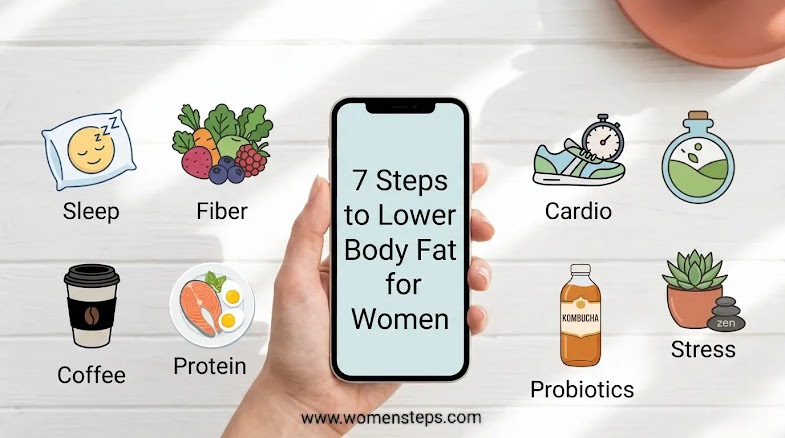
    1. Prioritize Sleep Quality to Support Hormonal Balance

    Sleep plays a primary role in metabolic regulation. According to data from the Centers for Disease Control and Prevention (CDC), insufficient rest significantly impacts health. Short sleep duration (under 7 hours per night) disrupts key appetite-regulating hormones, increasing ghrelin (the hunger hormone) and suppressing leptin (the satiety hormone).

    • Actionable Strategy: Target 7–9 hours of continuous sleep each night. Establish a consistent evening routine by limiting blue-light exposure 60 minutes before bed and maintaining a cool bedroom environment to align with your body’s natural circadian rhythms.

    2. Increase Soluble Fiber Intake for Satiety

    Dietary fiber supports healthy digestion and weight management. Unlike refined carbohydrates, soluble fiber slows gastric emptying, helping to moderate post-meal blood glucose spikes.

    • Actionable Strategy: Incorporate foods high in soluble fiber—such as oats, avocados, berries, and legumes—into daily meals. Research highlighted by the Harvard T.H. Chan School of Public Health indicates that adequate fiber intake promotes long-term weight management by enhancing satiety.

    3. Leverage the Metabolic Benefits of Unsweetened Coffee

    Moderate caffeine consumption can temporarily stimulate metabolic rate and encourage fat oxidation through central nervous system stimulation.

    • Actionable Strategy: Enjoy coffee black or with a splash of unsweetened plant milk. To prevent unnecessary spikes in stress hormones like cortisol, consider consuming your morning coffee after a nutrient-dense, protein-focused breakfast.

    4. Optimize Protein Distribution to Preserve Lean Muscle Mass

    Consuming adequate protein is essential during a fat-loss phase to prevent muscle degradation. Protein also features a high Thermic Effect of Food (TEF), requiring more energy for your body to digest compared to fats or carbohydrates.

    • Actionable Strategy: Aim for 20–30 grams of protein per meal from high-quality sources such as wild-caught fish, poultry, Greek yogurt, or plant-based options like lentils and tofu.

    5. Combine Aerobic Conditioning with Resistance Training

    A balanced exercise regimen supports cardiovascular health while boosting caloric expenditure. Combining Low-Intensity Steady State (LISS) exercise with High-Intensity Interval Training (HIIT) provides a well-rounded fitness foundation.

    • Actionable Strategy: Following guidelines from the American Heart Association, aim for at least 150 minutes of moderate aerobic activity per week, complemented by two to three strength-training sessions to build lean muscle mass and maintain basal metabolic rate.

    6. Support Digestive Health and the Gut Microbiome

    Emerging scientific literature points to a link between gut microbiome diversity and metabolic efficiency. Specific probiotic strains, particularly within the Lactobacillus family, have been studied for their role in digestive wellness and weight management.

    • Actionable Strategy: Incorporate naturally fermented foods like kefir, kimchi, sauerkraut, or unsweetened yogurt into your diet. Consult a medical professional before starting specific probiotic supplementation routines.

    7. Practice Stress Management to Control Cortisol

    Chronically high stress levels trigger sustained elevation of the hormone cortisol. According to clinical insights from the Mayo Clinic, prolonged stress can promote visceral fat storage around abdominal organs.

    • Actionable Strategy: Integrate daily stress-reduction techniques such as deep breathing exercises, mindfulness practices, yoga, or outdoor walking to manage physiological stress responses.

    Conclusion

    Lowering body fat safely requires consistency, balanced nutrition, and lifestyle habits that support long-term metabolic health rather than short-term drastic measures.


    Medical Disclaimer: The content provided in this article is for educational and informational purposes only and is not intended as medical advice. Always consult a qualified healthcare provider or registered dietitian before making significant changes to your diet, exercise routine, or health habits.

    Frequently Asked Questions

    1. What is a healthy body fat percentage for women?

    For most adult women, a healthy body fat range is generally between 21% and 32%, depending on age and activity level. Female athletes typically range between 14% and 20%. Dropping below essential fat thresholds can lead to endocrine disruptions.

    2. How quickly can one safely reduce body fat?

    A safe and sustainable rate of body fat reduction is approximately 0.5% to 1% per month. Gradual changes help preserve lean muscle mass and support metabolic consistency.

    3. Is it possible to target fat loss specifically in the abdominal area (spot reduction)?

    No. Spot reduction is a biological myth. Fat loss occurs systemically across the body based on genetics, hormonal profiles, and overall energy balance.

    4. Is cardio or strength training better for losing fat?

    A combination yields optimal results. Cardio increases daily caloric expenditure, while strength training builds and preserves lean muscle, supporting your overall baseline metabolic rate.

    5. Does drinking water support weight management?

    Yes. Staying adequately hydrated supports cellular metabolic functions and aids digestion. Drinking water before meals can also support appetite regulation.

    6. Should carbohydrates be completely eliminated to lose body fat?

    No. Complex carbohydrates provide essential energy and dietary fiber. Focus on nutrient-dense sources like sweet potatoes, quinoa, and oats rather than eliminating whole food groups.

  • Fiber Optic Color Coding Guide: Deciphering the TIA-598-D Standard

    Fiber Optic Color Coding Guide: Deciphering the TIA-598-D Standard

    In the infrastructure of modern telecommunications, precision is everything. Whether managing a high-density data center or setting up commercial networking hardware, understanding fiber optic color coding is critical to maintaining network integrity and preventing costly installation errors.

    This guide breaks down industry-standard color schemes, helping network technicians and infrastructure engineers identify fiber strands, connectors, and cable types instantly.

    Quick Summary: TIA-598-D Fiber Standards

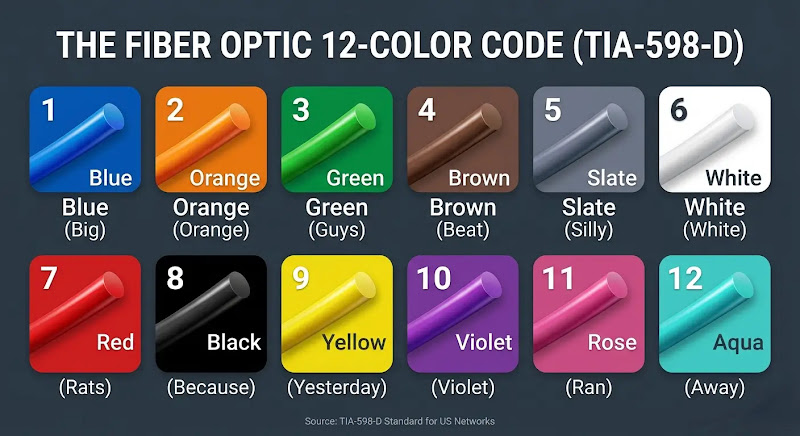
    • The 12-Color Sequence: Blue, Orange, Green, Brown, Slate, White, Red, Black, Yellow, Violet, Rose, Aqua.
    • Single-mode (OS2): Designated by a Yellow outer jacket.
    • Multimode (OM3/OM4): Designated by an Aqua or Erika Violet jacket.
    • Critical Rule: Never mate Green (APC) and Blue (UPC) connectors.

    Jump to the Full Mnemonic Chart Below for rapid field reference.

    Why Standardized Color Coding Matters

    Inside patch panels and splice trays, hundreds of identical glass strands converge. Without a standardized identification protocol, managing physical layer infrastructure would be inefficient. Published by the American National Standards Institute (ANSI) and maintained by the Telecommunications Industry Association, the TIA-598-D standard establishes consistency across network installations.

    Adhering to these specifications provides essential operational benefits:

    • Prevents Signal Loss: Prevents mismatched splicing between single-mode and multimode fibers.
    • Reduces Downtime: Accelerates fault isolation and troubleshooting during service outages.
    • Enhances Operational Safety: Helps technicians identify active, high-power optical channels quickly.

    The 12-Color Sequential Chart (TIA-598-D)

    Multi-fiber cables order individual strands in sub-bundles of 12. Memorizing this sequence is fundamental to professional fiber termination:

    Position Color Position Color
    1 Blue 7 Red
    2 Orange 8 Black
    3 Green 9 Yellow
    4 Brown 10 Violet
    5 Slate (Grey) 11 Rose (Pink)
    6 White 12 Aqua

    Field Note: Cables containing more than 12 strands repeat this color sequence for higher counts, distinguishing subsequent bundles with colored tracer lines (e.g., a black stripe).

    Identifying Cable Outer Jackets

    The exterior jacket color indicates the core type and optical transmission characteristics of the cable inside:

    • Yellow: Single-mode (OS1/OS2) – Designed for long-haul networks and enterprise backbones according to International Telecommunication Union (ITU) standards.
    • Orange: Multimode (OM1/OM2) – Legacy 62.5/125µm fiber used in legacy local area networks (LANs).
    • Aqua: Multimode (OM3/OM4) – Optimized for laser transmission in modern 10G/40G/100G data center environments.
    • Erika Violet: Multimode (OM5) – Wideband multimode fiber designed for short-wavelength division multiplexing (SWDM).

    Connector Body and Adapter Color Coding

    To prevent physical ferrule damage and insertion loss, connector bodies and strain-relief boots are color-coded by polish type and core profile:

    1. Blue (UPC): Ultra Physical Contact. Standard flat-polished finish for single-mode networks.
    2. Green (APC): Angled Physical Contact. Features an 8-degree angled polish to minimize back-reflection in passive optical networks (PON) and FTTx deployments. Never connect APC (Green) to UPC (Blue) connectors.
    3. Beige/Black: Standard indicator for legacy multimode connections.
    4. Aqua: Standard indicator for high-bandwidth OM3/OM4 multimode connections.

    Best Practices for Field Technicians

    Maintaining high physical layer performance requires strict adherence to industry testing protocols, such as those recommended by The Fiber Optic Association (FOA):

    • Inspect Prior to Connection: Use a fiber inspection microscope to verify ferrule cleanliness before mating connectors.
    • Cross-Reference Manufacturing Datasheets: Always verify physical strand counts against manufacturer documentation to account for dye variations.
    • Implement End-to-End Labeling: Combine color-code identification with thermal print labels at all patch panel termination points.

    Conclusion

    Mastering the TIA-598-D color coding standard ensures reliable physical installation, minimizes connection errors, and streamlines long-term network maintenance.


    Frequently Asked Questions

    1. What is the standard fiber optic color code system?

    The primary standard in North America and widely adopted globally is TIA-598-D. It provides a standardized color sequence for 12 individual fiber strands, as well as outer jackets and connector housings.

    2. How can I easily memorize the 12-fiber color sequence?

    Technicians frequently use the following memory mnemonic:

    “Big Orange Guys Beat Silly White Rats Because Yesterday Violet Ran Away”
    (Blue, Orange, Green, Brown, Slate, White, Red, Black, Yellow, Violet, Rose, Aqua)

    3. What happens if an APC connector is plugged into a UPC connector?

    Mating an Angled Physical Contact (Green) connector with an Ultra Physical Contact (Blue) connector creates an air gap that causes high optical insertion loss, severe back-reflection, and permanent physical damage to both ferrule end-faces.

    4. Why is a single-mode fiber cable colored yellow?

    Yellow designates single-mode optical core characteristics (OS1/OS2) regardless of whether the cable is deployed indoors or outdoors.

    5. How are fiber strands identified when a cable contains more than 12 fibers?

    The 12-color sequence repeats every 12 strands. For strands 13 through 24, a distinct black tracer stripe is added to each color in the sequence (with an alternative stripe color used on black strands for visibility).

  • Secularism Explained: Principles, Global Models, and the U.S. Constitution

    Secularism Explained: Principles, Global Models, and the U.S. Constitution

    What does it actually mean to live in a secular society? While the term is frequently debated in global political discourse, secularism is fundamentally about the separation of church and state—a constitutional principle designed to ensure civic equality and religious freedom for all individuals.

    Whether navigating discussions on public policy, human rights, or constitutional law, understanding the mechanics of secular governance is essential. Below, we break down its philosophical roots, global implementations, and critical role in sustaining inclusive democratic systems.

    What is Secularism? Defining the Pillar of Modern Democracy

    At its core, secularism is the guiding principle of conducting public affairs, governance, and legal frameworks based on civic considerations rather than religious doctrines. In political contexts, it establishes institutional neutrality toward all religious beliefs—including the non-religious.

    In the United States, this concept is codified through the Establishment Clause and the Free Exercise Clause of the First Amendment, guaranteeing both state independence from religious control and the personal freedom of faith.

    The Three Core Pillars of Secular Governance

    To understand how secularism operates in modern constitutional systems, consider its three primary structural objectives:

    1. Separation of Religion and State: Ensures state institutions operate independently from religious control, relying on civic law, science, and democratic consensus.
    2. Protection of Religious Freedom: Prevents state-mandated religion, enabling individuals to practice any faith—or none—without state coercion or persecution.
    3. Equal Treatment Under the Law: Ensures a citizen’s religious status does not determine their legal standing or civil rights within the state.

    Historical Context: From the Enlightenment to the First Amendment

    The development of secular philosophy emerged primarily as a response to centuries of sectarian conflict in Europe, creating space for rationalism and democratic self-governance.

    The Enlightenment Influence

    17th and 18th-century political philosophers like John Locke argued that individual conscience could not be coerced by state power. Locke’s A Letter Concerning Toleration (1689) laid foundational principles for distinguishing civil magistrate duties from religious obligations.

    The American Experiment

    While the word “secularism” does not explicitly appear in the U.S. Constitution, the concept of a “wall of separation”—a phrase famously articulated by Thomas Jefferson—remains central to First Amendment legal interpretation.

    “Congress shall make no law respecting an establishment of religion, or prohibiting the free exercise thereof…” — First Amendment, U.S. Constitution

    Global Models of Secularism: A Comparative Analysis

    Nations apply secular governance differently based on historical context, culture, and constitutional frameworks:

    Model Country Key Characteristic
    Strict Separation (Laïcité) France Complete removal of religion from public administration; restrictions on visible religious symbols in state institutions.
    Principled Distance India Equal distance and respect toward all faiths, allowing state intervention for affirmative social reform.
    Constitutional Neutrality USA State neutrality prohibiting state-established religion while maintaining legal protections for private religious expression.

    Contemporary Legal Debates and Challenges

    In contemporary constitutional law, maintaining secular boundaries involves ongoing judicial interpretation. Common areas of policy discussion include:

    • Educational Funding: Examining constitutional boundaries surrounding state funding and voucher programs involving private religious schools.
    • Civic & Legislative Practice: Balancing tradition with protections against state-endorsed religious observances in civic spaces.
    • Conscience Clause Protections: Harmonizing healthcare mandates and statutory compliance with individual or institutional religious exemptions.

    Secularism and Democratic Pluralism

    Far from being anti-religious, secularism acts as a neutral legal baseline that enables pluralistic societies to flourish. According to demographic data from the Pew Research Center, pluralistic demographics continue to shift globally, reinforcing the importance of neutral legal frameworks to maintain equal protection under the law.

    Conclusion

    Secularism remains a critical governance structure for safeguarding individual freedom of conscience. By separating state power from religious authority, democratic societies ensure equal rights, protect minority viewpoints, and preserve civic unity.


    Frequently Asked Questions About Secularism

    1. Is the United States officially a secular nation?

    Yes, institutionally and legally. While the U.S. population is religiously diverse, the U.S. Constitution is a secular legal document. Article VI explicitly bars religious requirements for holding public office, and the First Amendment prohibits state establishment of religion.

    2. What is the difference between Secularism and Atheism?

    Atheism is a personal philosophical stance regarding the non-existence of deities. Secularism is a political framework advocating state neutrality toward all worldviews, protecting believers and non-believers alike.

    3. Does secularism suppress religious practice?

    No. Constitutional secularism protects religious practice by maintaining state neutrality, preventing majority groups from imposing religious mandates on minority populations.

    4. Can students pray in public schools within a secular system?

    Yes. Students retain individual rights to non-disruptive private prayer. Secularism ensures that public school administrations cannot compose, endorse, or lead institutional prayers.

    5. Why is church-state separation necessary for constitutional governance?

    It ensures that legislation is grounded in shared civic principles and constitutional standards rather than theological doctrines, preserving equal rights for all citizens.