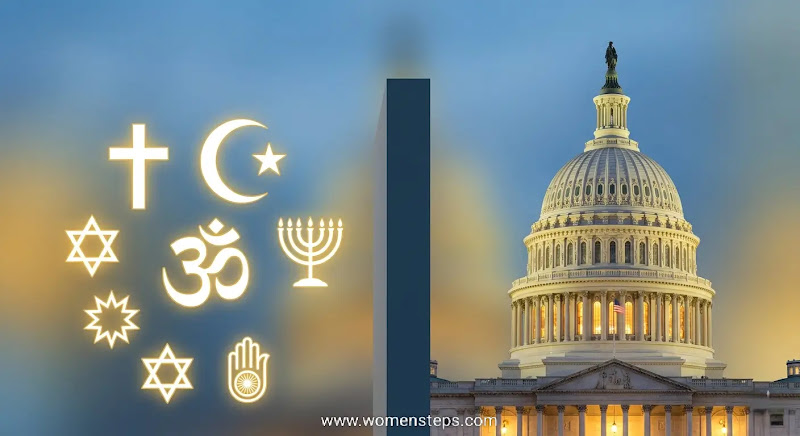
What does it actually mean to live in a secular society? While the term is frequently debated in global political discourse, secularism is fundamentally about the separation of church and state—a constitutional principle designed to ensure civic equality and religious freedom for all individuals.
Whether navigating discussions on public policy, human rights, or constitutional law, understanding the mechanics of secular governance is essential. Below, we break down its philosophical roots, global implementations, and critical role in sustaining inclusive democratic systems.
What is Secularism? Defining the Pillar of Modern Democracy
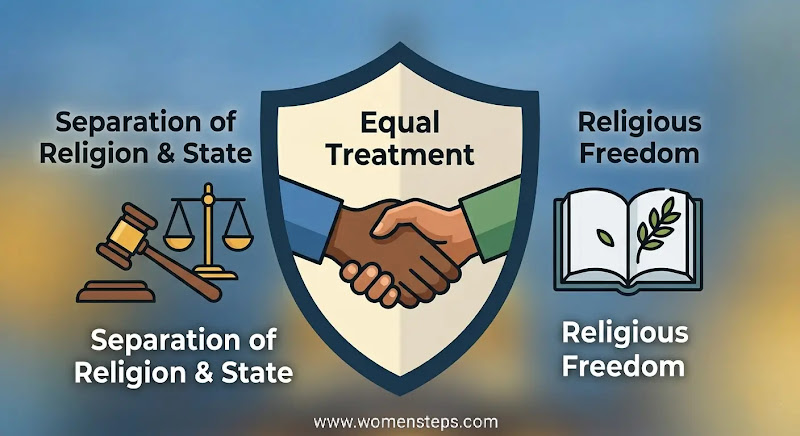
At its core, secularism is the guiding principle of conducting public affairs, governance, and legal frameworks based on civic considerations rather than religious doctrines. In political contexts, it establishes institutional neutrality toward all religious beliefs—including the non-religious.
In the United States, this concept is codified through the Establishment Clause and the Free Exercise Clause of the First Amendment, guaranteeing both state independence from religious control and the personal freedom of faith.
The Three Core Pillars of Secular Governance
To understand how secularism operates in modern constitutional systems, consider its three primary structural objectives:
- Separation of Religion and State: Ensures state institutions operate independently from religious control, relying on civic law, science, and democratic consensus.
- Protection of Religious Freedom: Prevents state-mandated religion, enabling individuals to practice any faith—or none—without state coercion or persecution.
- Equal Treatment Under the Law: Ensures a citizen’s religious status does not determine their legal standing or civil rights within the state.
Historical Context: From the Enlightenment to the First Amendment

The development of secular philosophy emerged primarily as a response to centuries of sectarian conflict in Europe, creating space for rationalism and democratic self-governance.
The Enlightenment Influence
17th and 18th-century political philosophers like John Locke argued that individual conscience could not be coerced by state power. Locke’s A Letter Concerning Toleration (1689) laid foundational principles for distinguishing civil magistrate duties from religious obligations.
The American Experiment
While the word “secularism” does not explicitly appear in the U.S. Constitution, the concept of a “wall of separation”—a phrase famously articulated by Thomas Jefferson—remains central to First Amendment legal interpretation.
“Congress shall make no law respecting an establishment of religion, or prohibiting the free exercise thereof…” — First Amendment, U.S. Constitution
Global Models of Secularism: A Comparative Analysis

Nations apply secular governance differently based on historical context, culture, and constitutional frameworks:
| Model | Country | Key Characteristic |
|---|---|---|
| Strict Separation (Laïcité) | France | Complete removal of religion from public administration; restrictions on visible religious symbols in state institutions. |
| Principled Distance | India | Equal distance and respect toward all faiths, allowing state intervention for affirmative social reform. |
| Constitutional Neutrality | USA | State neutrality prohibiting state-established religion while maintaining legal protections for private religious expression. |
Contemporary Legal Debates and Challenges
In contemporary constitutional law, maintaining secular boundaries involves ongoing judicial interpretation. Common areas of policy discussion include:
- Educational Funding: Examining constitutional boundaries surrounding state funding and voucher programs involving private religious schools.
- Civic & Legislative Practice: Balancing tradition with protections against state-endorsed religious observances in civic spaces.
- Conscience Clause Protections: Harmonizing healthcare mandates and statutory compliance with individual or institutional religious exemptions.
Secularism and Democratic Pluralism
Far from being anti-religious, secularism acts as a neutral legal baseline that enables pluralistic societies to flourish. According to demographic data from the Pew Research Center, pluralistic demographics continue to shift globally, reinforcing the importance of neutral legal frameworks to maintain equal protection under the law.
Conclusion
Secularism remains a critical governance structure for safeguarding individual freedom of conscience. By separating state power from religious authority, democratic societies ensure equal rights, protect minority viewpoints, and preserve civic unity.
Frequently Asked Questions About Secularism
1. Is the United States officially a secular nation?
Yes, institutionally and legally. While the U.S. population is religiously diverse, the U.S. Constitution is a secular legal document. Article VI explicitly bars religious requirements for holding public office, and the First Amendment prohibits state establishment of religion.
2. What is the difference between Secularism and Atheism?
Atheism is a personal philosophical stance regarding the non-existence of deities. Secularism is a political framework advocating state neutrality toward all worldviews, protecting believers and non-believers alike.
3. Does secularism suppress religious practice?
No. Constitutional secularism protects religious practice by maintaining state neutrality, preventing majority groups from imposing religious mandates on minority populations.
4. Can students pray in public schools within a secular system?
Yes. Students retain individual rights to non-disruptive private prayer. Secularism ensures that public school administrations cannot compose, endorse, or lead institutional prayers.
5. Why is church-state separation necessary for constitutional governance?
It ensures that legislation is grounded in shared civic principles and constitutional standards rather than theological doctrines, preserving equal rights for all citizens.
Leave a Reply