Category: Uncategorised

  • 12 Powerful Stories of Nobel Peace Prize Laureates

    12 Powerful Stories of Nobel Peace Prize Laureates

    Reader Disclosure: This educational article contains curated insights on historical and modern peace advocates. It may contain affiliate links to support our publication at no extra cost to you.

    The Nobel Peace Prize is more than just a gold medal; it is a global testament to the enduring power of the human spirit. Since its inception in 1901, the prize has been awarded to over 140 individuals and organizations who have shaped international diplomacy, civil rights, and human dignity. Behind every recognition lies a journey of sacrifice, grit, and an unwavering commitment to driving systemic change.

    The Genesis: Why Alfred Nobel Created the Peace Prize

    Before establishing the world’s most recognized award, Alfred Nobel was primarily known as an inventor and industrialist. Haunted by the destructive military applications of his discoveries, Nobel set aside the majority of his estate in his 1895 will to create five annual prizes. He requested that the Peace Prize honor those who have done the most effective work for the abolition or reduction of standing armies and the promotion of international fraternity.

    12 Visionaries Who Redefined Peace and Justice

    1. Malala Yousafzai (2014): The Voice for Universal Education

    At age 17, Malala Yousafzai became the youngest-ever Nobel laureate. After surviving a targeted attack by the Taliban in 2012 for advocating for female education, she turned personal tragedy into a worldwide movement. Through the Malala Fund, she continues to fight for every girl’s right to 12 years of free, safe, and quality education.

    2. Martin Luther King Jr. (1964): The Beacon of American Civil Rights

    Awarded the prize at age 35, Dr. Martin Luther King Jr. utilized nonviolent resistance to dismantle racial segregation in the United States. His leadership accelerated the passage of the landmark Civil Rights Act of 1964 and the Voting Rights Act of 1965, leaving an enduring blueprint for constitutional reform and human rights movements worldwide.

    3. María Corina Machado (2025): Defender of Democratic Values

    As a 2025 Nobel Peace Prize laureate, María Corina Machado was recognized for her steadfast dedication to political rights and civic integrity in Venezuela. Her work highlights the critical role democratic institutions play in maintaining regional stability and safeguarding civilian liberties.

    4. Nelson Mandela (1993): Architect of Post-Apartheid Reconciliation

    Following 27 years of imprisonment, Nelson Mandela emerged to lead South Africa out of state-sanctioned racial segregation. Alongside Frederik Willem de Klerk, Mandela chose peaceful negotiation and democratic transition over armed conflict, setting a global standard for political reconciliation.

    5. Mother Teresa (1979): Universal Humanitarian Action

    Founder of the Missionaries of Charity in Kolkata, Mother Teresa dedicated decades to addressing poverty and severe vulnerability. Her recognition highlighted that long-term peace is directly tied to alleviating extreme hardship and preserving human dignity.

    6. Nihon Hidankyo (2024): Grassroots Anti-Nuclear Advocacy

    This Japanese grassroots organization formed by atomic bomb survivors (Hibakusha) received the prize for decades of firsthand testimony regarding the catastrophic humanitarian consequences of nuclear warfare. Their effort has been instrumental in strengthening the global nuclear non-proliferation movement.

    7. Narges Mohammadi (2023): Advocate for Iranian Women’s Rights

    Honored while imprisoned in Evin Prison, Narges Mohammadi has spent decades fighting against systemic oppression and advocating for civil freedoms and human rights for women in Iran, demonstrating personal bravery in the pursuit of democratic accountability.

    8. Wangari Maathai (2004): Pioneer of Environmental Peacebuilding

    The first African woman to receive the Nobel Peace Prize, Wangari Maathai founded the Green Belt Movement in Kenya. She established the crucial link between sustainable environmental management, democratic governance, and community empowerment.

    9. Leymah Gbowee (2011): Strategic Nonviolent Mobilization

    Leymah Gbowee organized interfaith movements uniting Christian and Muslim women to demand an end to Liberia’s 14-year civil war. Her leadership proved the efficacy of nonviolent action and female inclusion in peace negotiations.

    10. Elie Wiesel (1986): The Moral Duty of Memory

    Holocaust survivor and author of Night, Elie Wiesel committed his post-war life to fighting indifference and totalitarianism. His humanitarian foundation advocate for global human rights awareness and the prevention of mass atrocities.

    11. Jane Addams (1931): Social Reform and Community Infrastructure

    Jane Addams was the first American woman to be awarded the Nobel Peace Prize. As the founder of Hull House in Chicago, she established modern social work principles, advocating for immigrant integration, urban welfare reform, and international arbitration.

    12. World Food Programme (2020): Food Security as Security Strategy

    The United Nations World Food Programme (WFP) was awarded the prize for its efforts to combat global hunger and prevent the exploitation of starvation as a tactic in war and armed conflict.

    Key Nobel Peace Prize Statistics

    Category Statistic Details
    Total Individual Laureates 112 Individuals
    Female Laureates 19 Women (approx. 17% of total individuals)
    Youngest Recipient Malala Yousafzai (Age 17, 2014)
    Organizational Recipients 31 Organizations (e.g., Red Cross, WFP)

    Core Principles of Global Peacebuilding

    • Strategic Nonviolence: History shows that structured civil resistance and institutional engagement produce lasting reform compared to armed escalation.
    • Reconciliation Over Retribution: Transitioning out of long-standing conflicts requires restorative justice frameworking, as demonstrated by Mandela and Addams.
    • Basic Needs and Human Rights Integration: Access to primary education, food security, and environmental sustainability form the baseline of long-term international stability.

    Frequently Asked Questions

    Q1: Who is the youngest recipient of the Nobel Peace Prize?
    A: Malala Yousafzai received the award in 2014 at the age of 17 for her advocacy for youth education rights.

    Q2: Who won the Nobel Peace Prize in 2025?
    A: María Corina Machado was awarded the prize in 2025 for her civil rights leadership and democratic advocacy in Venezuela.

    Q3: Why was Nihon Hidankyo recognized in 2024?
    A: The organization of atomic bomb survivors was recognized for its decades of public education regarding the humanitarian consequences of nuclear weapons.

    Q4: Why is the Nobel Peace Prize awarded in Norway instead of Sweden?
    A: Under Alfred Nobel’s 1895 will, the Peace Prize is administered by a committee designated by the Parliament of Norway, whereas other categories are awarded in Sweden.

    Q5: Can a Nobel Peace Prize decision be revoked?
    A: According to the statutes of the Nobel Foundation, prize decisions are final and cannot be appealed or revoked post-announcement.

    Q6: Who was the first woman to receive the Nobel Peace Prize?
    A: Bertha von Suttner received the award in 1905 for her international peace organizing and her influence on the establishment of the prize itself.

    About the Editorial Team

    The content on WomenSteps.com is thoroughly researched and reviewed by experienced content strategists and educators focused on leadership, constitutional rights, and history. Our mission is to publish accurate, inspiring, and high-value educational resources for a global audience.


  • Rights and Responsibilities of Women in Islam: A Legal Guide

    Rights and Responsibilities of Women in Islam: A Legal Guide

    Editorial Disclaimer: This article provides an educational overview of classical and contemporary Islamic jurisprudence regarding women’s socio-economic and legal rights. Religious interpretations vary across legal schools (Madhhabs) and regional jurisdictions. This content is published for informational purposes and does not constitute formal legal, financial, or religious advice.

    The conversation surrounding women’s rights in Islam is often clouded by cultural stereotypes and geopolitical narratives. To understand the legal framework of gender in Islamic theology, one must distinguish between patriarchal cultural customs and the foundational scriptural rights granted over 1,400 years ago.

    This comprehensive guide explores how Islamic jurisprudence addresses equality, agency, and the socio-economic roles of women, providing an analytical look at their status in both spiritual and secular domains according to scholarly analyses published in The Oxford Handbook of Islam and Women.

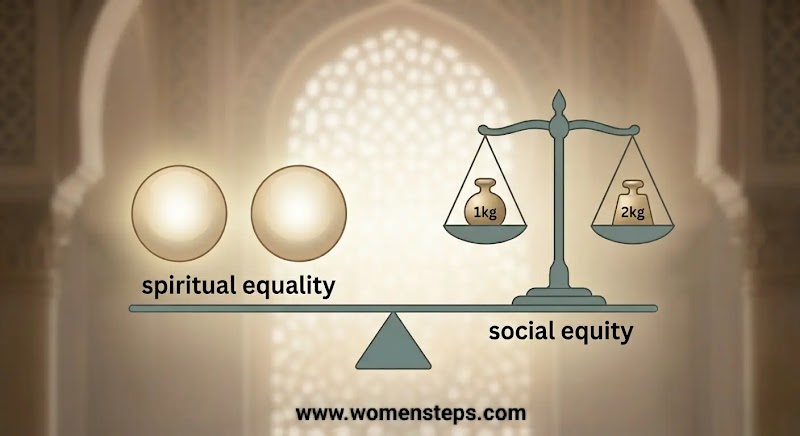
    1. Defining Gender Equity vs. Equality

    In Western legal traditions, equality often implies identical roles. However, the Islamic jurisprudence framework is structured around equity (Musaawah) and complementary responsibilities:

    • Spiritual Equality: The Quran explicitly establishes that men and women possess equal spiritual worth and moral agency. In Surah Al-Ahzab (33:35), the text directly addresses both men and women regarding divine forgiveness and spiritual reward, a core focus of modern academic research archived at JSTOR’s Journal of Islamic Studies.
    • Complementary Economic Roles: While spiritually identical, Islamic family law defines specific financial obligations. Men are legally mandated with financial maintenance (Qiwamah) of the household, whereas a woman’s personal wealth remains entirely her own.

    2. Autonomy in Marriage and Civil Contracts

    In Islamic jurisprudence, marriage (Nikah) is a legally binding civil contract rather than a sacrament that alters a woman’s legal persona or asset ownership.

    The Mandate of Informed Consent

    Under Islamic law, a marriage contract is legally invalid without the explicit consent of the bride. Forced marriages violate core prophetic traditions and are classified as legally void (Haram).

    Financial Security: The Mahr

    The Mahr is a direct financial gift or asset transfer required from the groom to the bride at the time of marriage. Unlike traditional dowry systems where wealth moves to the groom’s family, the Mahr is the exclusive property of the wife. Comparative legal analyses by the Library of Congress Foreign Law Research Center confirm that she retains full legal authority to save, invest, or spend it without spousal oversight.

    Dissolution of Marriage (Khula and Talaq)

    Islamic law establishes mechanisms for legal separation. Women hold the right to initiate divorce through Khula (no-fault judicial separation) or by stipulating specific conditional divorce rights (Tafwid al-Talaq) directly within the marriage agreement.

    3. Economic Agency, Estate Planning, and Property Rights

    Centuries prior to the passage of Married Women’s Property Acts in Western jurisdictions, Islamic law established full financial independence for women.

    • Inheritance Rights: Women are legally guaranteed specific statutory shares in estate planning under Islamic inheritance law. Because men carry the absolute duty to fund family living expenses, a woman’s inheritance remains pure equity that she is not required to spend on household maintenance.
    • Independent Wealth Management: A married woman maintains complete separation of property. She keeps her own surname, manages her independent bank accounts, and retains total ownership over business profits, income, and real estate.

    4. Educational Mandates and Historical Legacy

    The foundational revelation of the Quran began with the imperative “Iqra” (Read). Educational attainment is framed as a mandatory duty for all individuals regardless of gender.

    “The pursuit of knowledge is an obligation upon every Muslim.” — Prophetic Tradition (Hadith)

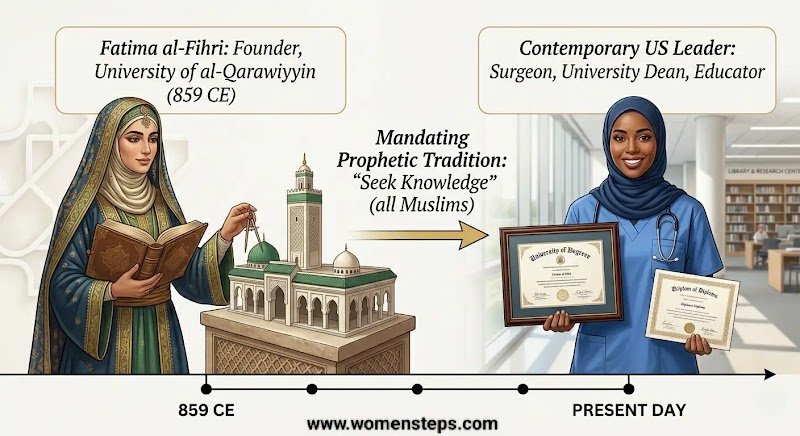
    Historically, Muslim women were instrumental in founding primary institutions. Fatima al-Fihri established the University of al-Qarawiyyin in 859 CE—officially documented by the UNESCO World Heritage Centre as the world’s oldest continually operating degree-granting institution. Modern demographic surveys by the Pew Research Center’s Religion & Public Life Project show rising rates of higher education attainment among Muslim women globally.

    5. Professional Life and Civic Leadership

    There is no theological barrier preventing women from pursuing professional careers or leadership positions. Historical precedents include Khadija bint Khuwaylid, an eminent merchant and chief corporate investor who was the Prophet’s first wife.

    • Workplace Autonomy: Women are empowered to pursue careers in legal, medical, corporate, and public sectors. Learn more about professional workplace trends in our article on women’s corporate leadership.
    • Civic Engagement: The theological principle of civic duty requires active involvement in community development, charity governance, and social justice activism.

    6. Distinguishing Faith Principles from Cultural Practices

    Analyzing gender in Islam requires isolating statutory religious rulings from localized regional customs. Restrictive practices regarding movement or education observed in specific geographic regions reflect local socio-political environments rather than normative Sharia jurisprudence.

    Frequently Asked Questions

    1. Does Islam allow women to work and manage personal wealth?
    Yes. Women possess full legal agency to work, operate businesses, and invest capital. Any earned income or inherited wealth remains strictly their personal property.

    2. What is the Mahr in an Islamic marriage contract?
    The Mahr is a mandatory financial gift provided by the groom directly to the bride. It serves as her personal asset and financial protection, distinct from traditional cultural dowries.

    3. Can a Muslim woman initiate divorce under Sharia?
    Yes. Women can request judicial separation through Khula or invoke pre-agreed contractual rights granted within the Nikah Nama (marriage contract).

    4. Is higher education mandatory for women in Islam?
    Yes. Foundational texts mandate education for all individuals without distinction of gender, encompassing both spiritual and secular fields.

    5. How does Islamic jurisprudence define gender equality?
    Islam establishes absolute spiritual equality before God while utilizing an equity-based system (Musaawah) for family roles and financial responsibilities.

    6. Are inheritance rights legally protected for women in Islam?
    Yes. Statutory inheritance shares are protected under Islamic law. A woman’s share is hers to keep without any legal obligation to spend it on household expenditures.


    About WomenSteps

    WomenSteps is an educational platform dedicated to exploring women’s socio-economic rights, leadership, health, and legal empowerment across historical and modern global frameworks. Content is thoroughly researched to adhere to standard educational guidelines and international legal analysis.

  • ​10 Timeless Home & Garden Trends to Elevate Your Living Space

    ​10 Timeless Home & Garden Trends to Elevate Your Living Space

    Editorial Transparency: Written by Women Steps Editorial Team | Updated for 2026 Architectural & Decor Standards. This article contains independent expert evaluations.

    The modern American home is evolving. We are moving away from disposable furniture and sterile environments toward spaces that prioritize longevity, wellness, and personalized technology. Whether you are a homeowner in the suburbs or a city renter, these ten enduring trends will help you create a sanctuary that feels both contemporary and classic.

    1. Sustainable “Quiet Luxury”

    Sustainability is no longer a niche choice—it is the gold standard for high-end interior design in the US. The “Quiet Luxury” movement focuses on investing in fewer, higher-quality pieces that carry verified eco-credentials.

    • The Investment: Look for FSC-certified hardwoods, organic wool, and natural stone.
    • Why It Lasts: Unlike “fast furniture,” these materials age gracefully and can be refinished, keeping items out of landfills for generations.

    2. Biophilic Design: Bringing the Outdoors In

    Biophilic design goes far beyond placing potted plants on a window sill—it integrates natural elements directly into indoor spaces to lower stress and improve indoor air quality.

    • Actionable Idea: If floor space is limited, install self-watering vertical living walls with air-purifying pothos or culinary kitchen herbs.

    3. The Seamless Smart Home Ecosystem

    In smart home technology, the emphasis has shifted from standalone gadgets to fully integrated home automation ecosystems that reduce power usage and utility bills.

    • Smart Savings: Choose devices using Matter-certified standards to ensure cross-platform compatibility. Installing smart thermostats can reduce annual heating and cooling expenses by up to 10%.

    4. “Dopamine Decor” Over Uniform Minimalism

    While strict minimalism relies on sterile white spaces, “Dopamine Decor” uses mood-boosting colors, tactile textures, and personalized art to build cheerful living spaces.

    • Design Tip: Begin with a bold statement wall or patterned accent rugs to introduce vibrant color without overwhelming the room.

    5. Warm, Earthy “New Neutrals”

    Cool, clinical grays have given way to warm, grounding hues. Shades of terracotta, sage green, and warm mushroom serve as versatile foundations for modern interiors.

    • The Benefit: Earthy neutral palettes reflect nature and complement traditional, mid-century, or contemporary design aesthetics.

    6. Purpose-Built “Flex Spaces”

    With hybrid work established as standard practice, dedicated “flex rooms” and dual-purpose home offices boost both daily efficiency and real estate market value.

    • Small Space Strategy: Partition multipurpose zones using acoustic room dividers or convert underutilized closets into compact work nooks.

    7. Xeriscaping and Native Gardening

    High-maintenance turf lawns are increasingly replaced by xeriscaping—a water-wise landscaping method designed to thrive on natural rainfall without supplementary irrigation.

    • Why It Matters: Xeriscaping drastically cuts municipal water consumption while providing habitat for crucial native pollinators like wild bees and butterflies.

    8. The Art of the “High-Low” Interior Mix

    Curated interiors avoid single-catalog looks by strategically pairing premium investment furniture with vintage, thrifted, or upcycled structural accent pieces.

    • Pro Tip: Pair a high-end, clean-lined modern sofa with a vintage mid-century coffee table to create a layered aesthetic that feels personal and timeless.

    9. Multi-Functional Modular Furniture

    Modular, space-saving furniture helps optimize square footage in modern floor plans without sacrificing comfort or visual appeal.

    • Top Picks: Select lift-top storage ottomans, wall-mounted drop-leaf dining tables, and high-density memory foam sleeper sofas.

    10. “Hygge” Cozy Nooks and Layered Lighting

    The Danish design principle of hygge (coziness) remains central to warm home interiors, prioritizing dedicated relaxation spaces built around soft textures and ambient lighting.

    • Creating the Vibe: Swap harsh overhead fixtures for warm 2700K floor lamps, dimmers, natural candles, and plush woven throw blankets.

    Frequently Asked Questions

    1. What are the most sustainable materials for home decor?
    The most durable sustainable options include FSC-certified wood, rapidly renewable bamboo, natural cork, and recycled architectural metals. For soft goods, specify GOTS-certified organic cotton, raw linen, or un-dyed hemp fabrics.

    2. How can I make my home eco-friendly on a budget?
    Prioritize simple efficiency upgrades: replace traditional bulbs with energy-efficient LEDs, program a smart thermostat for off-peak energy management, use low-VOC (volatile organic compound) paints, and upcycle solid-wood vintage furniture.

    3. What is biophilic design and why is it popular?
    Biophilic design integrates natural light, living plants, natural stone, and organic wood textures into architectural interiors. It is widely adopted because it lowers cortisol levels and boosts indoor air quality.

    4. How do I start a low-maintenance garden in a small space?
    Use vertical wall-mounted planters or self-watering containers. Choose drought-tolerant native perennials suited to your local USDA hardiness zone to reduce watering requirements.

    5. What smart home technology actually adds property value?
    Infrastructure-focused smart technologies offer the highest returns. Integrated smart HVAC controllers, energy-monitoring panels, automated security systems, and smart water-leak detectors appeal most strongly to modern home buyers.

    6. What is the difference between minimalism and maximalism?
    Minimalism focuses on restraint and sparse arrangements. Maximalism emphasizes curated color, layered textures, and personal collections organized thoughtfully to make a space feel personal and vibrant.


    About the Author & Women Steps Editorial Policy

    Women Steps delivers research-backed home design, sustainable architecture, and living space optimization guides. Content is reviewed by design specialists to maintain editorial integrity and compliance with US environmental and home improvement standards.

    Affiliate Disclosure: Products recommended in this post are selected independently by our editorial team. When you purchase through links on our site, we may earn an affiliate commission at no extra cost to you.

  • Beyond Flowers: Radical History of International Women’s Day

    Beyond Flowers: Radical History of International Women’s Day


    Editorial Integrity Disclaimer: This article is published by Women Steps for educational, historical, and informational purposes. Our objective content relies on verified global legal data, historical archives, and official United Nations reports to empower women across corporate, economic, and political spaces.

    While many view March 8th as a day for floral bouquets and corporate social media tributes, its roots are deeply political, radical, and economically driven. In the United States, International Women’s Day (IWD) acts as the centerpiece of Women’s History Month—a critical moment to pivot from surface-level awareness to measurable systemic action.

    From the working-class picket lines of 1908 New York City to modern battles over corporate pay equity, legal protection gaps, and reproductive autonomy, the evolution of International Women’s Day reflects the changing landscape of constitutional and economic rights in America.

    The American Spark: How a NYC Strike Ignited a Global Movement

    A common misconception is that International Women’s Day originated in Europe. In reality, the movement was ignited directly within the industrial factories of the United States:

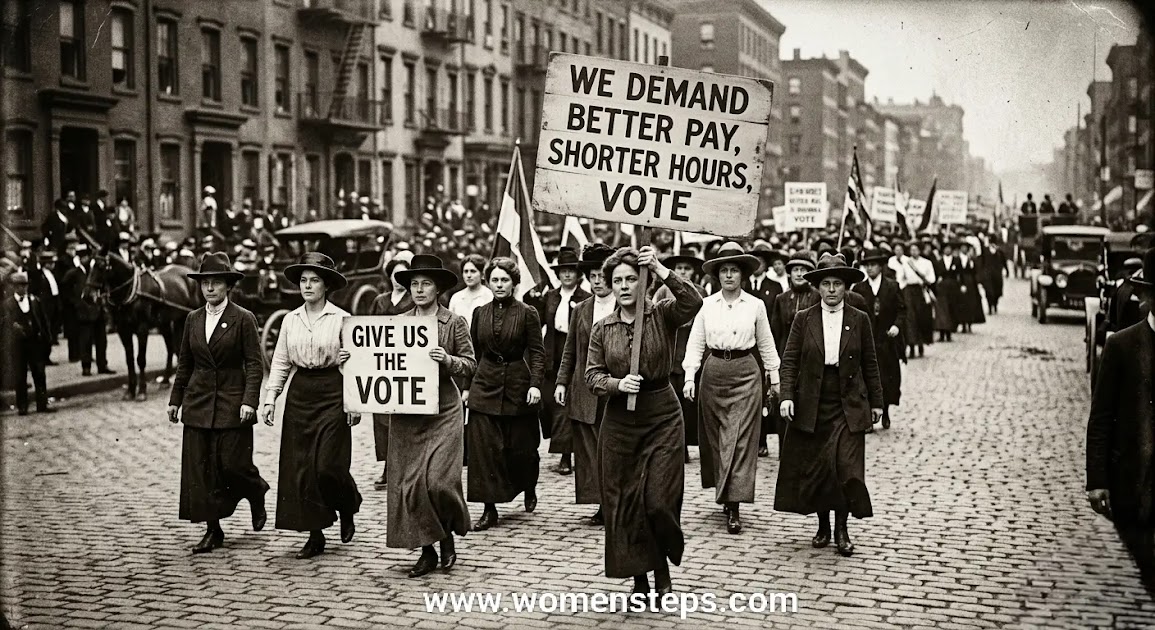
    • 1908: 15,000 garment industry workers marched through New York City demanding shorter work hours, humane wage standards, and voting rights.
    • 1909: The Socialist Party of America organized the official first National Woman’s Day across the United States on February 28.
    • 1910: German activist Clara Zetkin proposed making the event global during the International Conference of Working Women in Copenhagen.

    The date permanently shifted to March 8th following the famous 1917 “Bread and Peace” strike led by Russian women garment workers, which catalyzed global labor and suffrage victories. In 1977, the United Nations officially recognized March 8th as International Women’s Day.

    Why March 8th Driving Economic and Legal Action in the US

    In the U.S., IWD serves as an annual benchmark to evaluate gender equity across high-impact economic and legal sectors:

    1. The Gender Wage Gap and Corporate Advancement

    According to data from the U.S. Census Bureau and the U.S. Department of Labor Women’s Bureau, women working full-time, year-round earn approximately 82 to 84 cents for every dollar earned by men. The wage gap widens significantly for Black, Hispanic, and Native American women. Closing this gap is not only a corporate equity issue but a major driver of national GDP growth.

    2. Constitutional Safeguards & Legislative Reform

    Beyond honoring the ratification of the 19th Amendment in 1920, modern campaigns center on federal pay transparency laws, expanding family leave policies, and the renewed legislative push for the Equal Rights Amendment (ERA).

    3. UN IWD 2026 Theme: “Rights. Justice. Action. For ALL Women and Girls”

    The United Nations theme for 2026—“Rights. Justice. Action. For ALL Women and Girls”—highlights global structural legal barriers. UN Women reports indicate that worldwide, women hold only 64% of the legal rights that men possess. IWD 2026 prioritizes transforming judicial systems, eliminating discriminatory laws, and funding grassroots legal protection networks.

    American Icons Who Reshaped Civil and Legal History

    Leader / Icon Historical Focus Enduring National Impact
    Sojourner Truth Abolitionist & Women’s Rights Activist Delivered the historic 1851 “Ain’t I a Woman?” speech, cementing the foundational link between racial and gender equity.
    Alice Paul Suffragist & Strategist Main architect behind the campaign for the 19th Amendment; authored the original Equal Rights Amendment in 1923.
    Ruth Bader Ginsburg U.S. Supreme Court Justice Legal pioneer who dismantled sex-based discrimination under the 14th Amendment’s Equal Protection Clause.
    Dolores Huerta Labor Leader & Civil Rights Activist Co-founded the United Farm Workers (UFW); established that labor rights and gender rights are inseparable.

    How to Celebrate with Measurable Impact

    To move beyond symbolic statements, businesses, individuals, and organizations can take tangible actions on March 8th:

    • Support Women-Owned Businesses: Direct capital to female founders by utilizing directories certified by the Women’s Business Enterprise National Council (WBENC).
    • Bridge Executive Career Gaps: Provide sponsorship to early- and mid-career female professionals to help break the executive “broken rung.”
    • Invest in STEM & Leadership Nonprofits: Donate resources to educational organizations like Girls Who Code or advocacy institutions like the National Women’s Law Center.
    • Implement Pay Transparency Audits: Corporate leaders can conduct annual wage audits to identify and eliminate gender wage disparities.

    Frequently Asked Questions (FAQs)

    1. Is International Women’s Day a public holiday in the United States?

    No, International Women’s Day is not a U.S. federal holiday. However, it serves as the central anchor of Women’s History Month, officially designated every March by Presidential Proclamation.

    2. What is the difference between International Women’s Day and Women’s History Month?

    International Women’s Day is a global 1-day observance on March 8th. Women’s History Month is a month-long celebration observed in the U.S., UK, and Australia throughout March to highlight women’s contributions to history.

    3. What is the official theme for International Women’s Day 2026?

    The official United Nations theme for 2026 is “Rights. Justice. Action. For ALL Women and Girls.” It focuses on strengthening legal rights and dismantling discrimination within judicial systems worldwide.

    4. Why is March 8th the chosen date for International Women’s Day?

    March 8th became landmark following the historic 1917 strike by Russian working women demanding “Bread and Peace.” It was formally adopted by the UN in 1977 as the official global day for women’s rights.

    About the Author & Women Steps Editorial Board

    Women Steps is a premier digital publication dedicated to women’s leadership, economic empowerment, civil rights history, and career advancement across the United States and globally. Our articles are thoroughly researched by gender policy analysts and historical researchers to provide unbiased, factual, and actionable knowledge.

  • Women in Tech: Driving US Innovation and Workplace Equity

    Women in Tech: Driving US Innovation and Workplace Equity

    Editorial Disclosure: This analysis is published by Richa M for WomenSteps. We prioritize data accuracy and editorial integrity. The information provided is based on research from industry sources including McKinsey & Company and the Peterson Institute for International Economics and is intended strictly for informational and educational purposes.

    The narrative of the American technology sector is shifting rapidly. Once defined by a narrow demographic, the industry is increasingly powered by a diverse workforce where women are acting not merely as participants, but as key architects of digital transformation. From Silicon Valley artificial intelligence startups to Fortune 500 enterprise software leaders, integrating female leadership is proving to be a decisive factor in sustaining a enterprise’s competitive advantage.


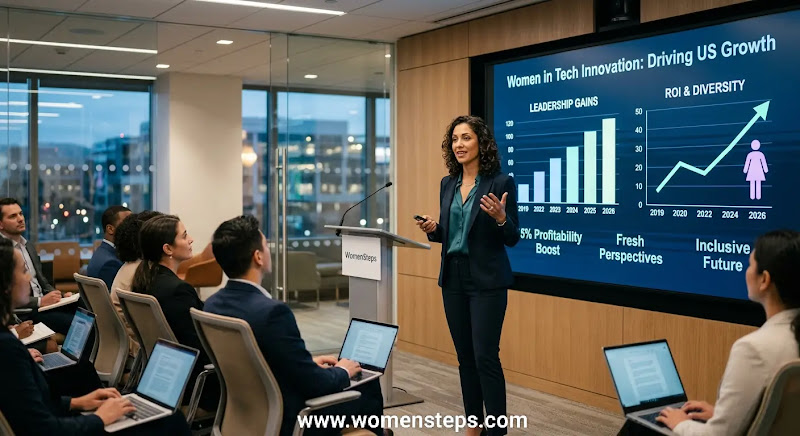
    Female software executive delivering a keynote presentation at a Silicon Valley tech conference

    Female tech leadership correlates with significant gains in corporate innovation and ROI across the US market.

    1. Statistical Landscape: Where Women Stand in the US Tech Market

    • Leadership Representation: Women occupy approximately 28% to 33% of senior-level roles in major US tech firms, showing incremental growth over recent years.
    • The “Broken Rung”: The most critical bottleneck occurs at the first step up to managerial positions. According to research on corporate gender dynamics by McKinsey & Company, for every 100 men promoted to a managerial role in technical disciplines, only 52 women achieve the same milestone.
    • Venture Capital Allocations: Female-founded tech startups in the United States face a persistent capital deficit, securing under 3% of total US venture capital funding despite generating higher revenue per dollar invested compared to male-only teams.

    2. The Economic Case: How Diversity Boosts Profitability

    • Bottom-Line Profitability: Economic research from the Peterson Institute for International Economics highlights that organizations increasing female leadership to at least 30% experience an average 15% boost in net profit margins.
    • Cognitive Diversity & UX Alignment: Female perspectives directly impact user experience (UX), product strategy, and user interface safety. Because women influence roughly 80% of consumer purchasing decisions in North America, balanced engineering teams design products that align better with market demands.

    3. Corporate Trailblazers: US Tech Enterprises

    Leading US technology corporations have established transparent baseline metrics to cultivate inclusive leadership streams:

    Company Key Initiative Target Impact
    HP Inc. 50/50 Leadership Goal Achieve 50% gender parity across executive leadership by 2030.
    Intel Corporation RISE Strategy Double the number of women holding senior technical roles by 2030.
    IBM Workforce Equity Programs Pioneered technical re-entry programs and structured career pathways for female engineers.

    4. Overcoming Systemic Barriers in the Ecosystem

    • Addressing Unconscious Bias: Progressive engineering departments utilize blind code reviews and standardized interviewing rubrics to mitigate evaluation bias during talent acquisition.
    • Sponsorship over Mentorship: Executive sponsorship—where senior managers actively advocate for high-performing female engineers during promotion cycles—has proven significantly more effective at closing executive leadership gaps than passive mentorship alone.
    • Workplace Flexibility: Following widespread workforce restructuring, tech companies providing asynchronous workflows and equitable parental leave achieve roughly 20% higher talent retention among mid-career female software developers.

    5. Future Outlook: Ethical Artificial Intelligence

    As artificial intelligence and machine learning technologies reshape corporate software, female engineers and ethicists play a crucial role in reducing algorithmic bias. Without diverse technical teams training foundational models, AI systems run the risk of perpetuating historical hiring and financial skews. Organizations like Girls Who Code continue working to expand the early-stage engineering pipeline across secondary and post-secondary educational systems.

    Conclusion: A Strategic Business Imperative

    Increasing gender equity across the US technology ecosystem is far more than a corporate social responsibility goal—it is a core business necessity for long-term innovation. Organizations that systematically dismantle institutional promotion barriers, invest in targeted executive sponsorship, and champion inclusive product design will maintain a clear advantage in building scalable technology.

    Frequently Asked Questions (FAQ)

    1. What is the current percentage of women in the US tech industry?

    Women represent approximately 25% to 28% of the overall technology workforce in the United States. Representation is higher in non-technical and entry-level functions but remains lower in engineering, specialized cloud infrastructure, and C-suite roles.

    2. How does gender diversity impact corporate innovation?

    Diverse engineering teams bring varied problem-solving approaches, decreasing confirmation bias and helping companies identify overlooked consumer needs, which translates to stronger market positioning and higher financial returns.

    3. What are the primary obstacles facing female tech professionals?

    Key systemic obstacles include the early management promotion gap (the broken rung), unequal access to venture funding, unconscious evaluation biases, and limited access to executive sponsors.

    4. How can tech companies effectively attract and retain female engineers?

    Companies can boost retention by conducting regular pay-equity audits, eliminating gender-coded job postings, implementing flexible work structures, and establishing formal executive sponsorship initiatives.

    About the Author

    Richa M is a Lead Digital Content Strategist and Tech Industry Analyst at WomenSteps. She specializes in researching gender dynamics, corporate equity strategies, and market growth within the North American technology sector.


  • Lana Del Rey’s Cultural Legacy: From Born to Die to Americana | WomenSteps

    Lana Del Rey’s Cultural Legacy: From Born to Die to Americana | WomenSteps

    Editorial Notice: This article is an independent biographical and musical analysis. All trademarks, lyrics, and references belong to their respective copyright holders and are utilized here under Fair Use guidelines for commentary and news reporting.

    In the landscape of 21st-century music, few figures are as polarizing or as influential as Lana Del Rey. Born Elizabeth Grant, the New York native didn’t just enter the music industry; she reconstructed it in her own cinematic image. From the viral breakthrough of “Video Games” to her headlining festival sets, Del Rey has transitioned from a heavily scrutinized breakout act into an undisputed pillar of modern American songwriting.

    1. The Construction of an Icon: From Lizzy Grant to Lana

    To understand her deep connection with global listeners, one must look at her artistic roots in Lake Placid, New York. Unlike pop stars who continuously chase fleeting visual trends, Lana Del Rey built her artistic identity around timeless nostalgia.

    • The Persona: By blending the names of Hollywood legend Lana Turner and the classic Ford Del Rey automobile, she created a character that feels like a vintage Hollywood ghost navigating a hyper-digital world.
    • The Philosophy: Her academic background studying philosophy at Fordham University deeply influences her songwriting—frequently addressing existentialism, fatalism, and the complex underbelly of the American Dream.

    2. “Born to Die” and the Shift in Pop Culture

    When Born to Die debuted in 2012, main stage pop radio was dominated by high-tempo EDM and upbeat dance tracks. Del Rey pioneered modern atmospheric melancholia, bringing cinematic storytelling into mainstream awareness.

    • Chart Longevity: Despite early skepticism from critics, Born to Die became one of the longest-charting female albums on the Billboard 200, cementing its status as an enduring commercial classic.
    • The Musical Blueprint: Her distinctive vocal styling, deliberate tempo, and melancholic strings laid the structural blueprint for an entire generation of pop artists including Billie Eilish, Lorde, and Olivia Rodrigo.

    3. The Cinematic Americana Aesthetic

    Del Rey functions as a poetic topographer of American geography and mythology. Her discography reads like a road map of iconic cultural landmarks across the United States:

    • California Dreaming: Laurel Canyon, Topanga Canyon, and the iconic Hollywood Hills.
    • East Coast Heritage: The boardwalks of Coney Island and the streets of Brooklyn.
    • Southern Gothic Influences: Atmospheric exploration of the American South, featured prominently on Did You Know That There’s a Tunnel Under Ocean Blvd.

    4. Critical Acclaim: “Norman Fucking Rockwell!”

    The defining critical turning point arrived with her 2019 album, Norman Fucking Rockwell!. The project earned widespread praise from major outlets such as Pitchfork, ultimately securing a nomination for Album of the Year at the Grammy Awards and solidifying her status as a premier lyricist blending folk storytelling with modern cultural reflection.

    5. Evolving Musical Eras and Future Directions

    Del Rey’s artistic progression continues to adapt across genres without losing her signature core identity:

    • Vinyl & Physical Sales: She remains a massive force in physical album sales, consistently ranking among top artists for vinyl record releases recorded by trade groups like the RIAA.
    • Genre Versatility: Seamless transitions from cinematic trip-hop (Born to Die) and unrefined rock (Ultraviolence) to delicate acoustic folk (Chemtrails Over the Country Club).
    • Literary Contributions: Expanding beyond studio releases, her debut poetry collection published via Simon & Schuster, Violet Bent Backwards over the Grass, established her formal presence as a literary author.

    Conclusion: An Enduring Legacy

    Lana Del Rey has proven that mainstream commercial success does not require conforming to fast-paced trends. By focusing on mood, cinematic arrangements, and rich narrative storytelling, she has carved out a permanent place in the modern catalog of popular music.


    Frequently Asked Questions

    Q: What makes Lana Del Rey’s musical style unique?
    A: Her signature sound fuses melancholic melodies, cinematic strings, 1950s/60s Americana nostalgia, and deeply introspective lyricism focusing on artistic storytelling.

    Q: Has Lana Del Rey published any books?
    A: Yes, she published her debut poetry book, Violet Bent Backwards over the Grass, which includes original poems, handwritten pages, and photography.

    Q: How has Lana Del Rey influenced modern music?
    A: She popularized mid-tempo melancholic pop, shifting mainstream radio away from purely upbeat dance music and opening doors for atmospheric, lyrical songwriting.


    About the Author

    Written by Richa M. and the editorial team at WomenSteps. We cover music analysis, cultural developments, modern arts, and lifestyle insights empowering creators globally.

  • Top 10 Nuclear Powers (2026 Stockpile Rankings & Data)

    Top 10 Nuclear Powers (2026 Stockpile Rankings & Data)

    Policy & Content Notice: This article contains historical and geopolitical analytical data regarding global nuclear defense policy for educational and informational purposes.

    Nuclear weapons remain the central arbiter of global geopolitical power. Defined by their destructive capacity—derived from complex nuclear fission and fusion processes—these capabilities have shaped international security strategies since 1945.

    The global nuclear landscape faces significant shifts. While total cold-war inventories have decreased overall, modern operationally deployed warheads continue to evolve as nations update land, air, and sea capabilities. Today, nine nations officially or de facto possess functional nuclear capabilities.

    Global Nuclear Stockpile: 2026 Data Rankings

    Rank Country Total Inventory Military Stockpile Operational Status
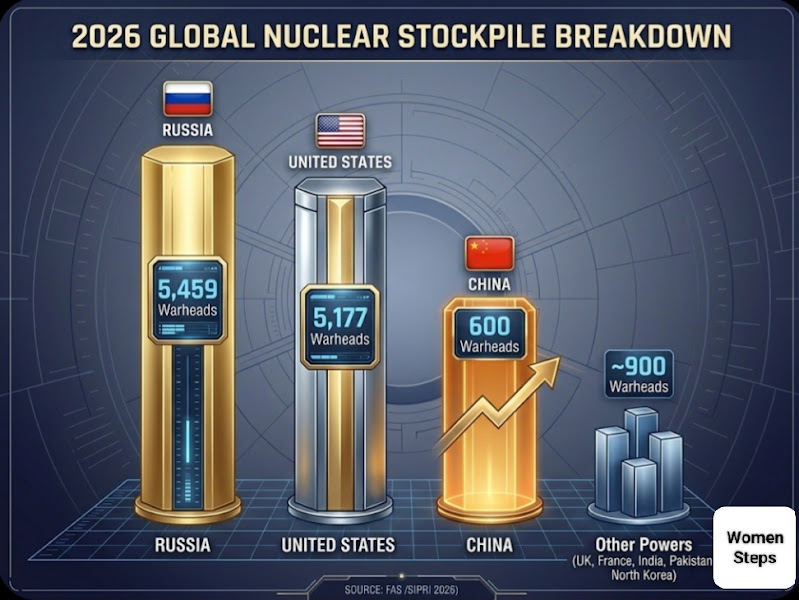
    1 Russia 5,459 4,309 Modernizing
    2 United States 5,177 3,700 Modernizing
    3 China 600 600 Expanding
    4 France 370 290 Stable
    5 United Kingdom 225 225 Increasing
    6 India 180 180 Increasing
    7 Pakistan 170 170 Stable
    8 Israel 90 90 Unacknowledged
    9 North Korea 50 50 Expanding

    1. Russia

    Russia maintains the world’s largest total inventory. The Kremlin continues prioritizing its land, sea, and air defense triad. While possessing roughly 5,459 total warheads, around 1,718 are strategically deployed for operational readiness. Updates to regional strategic doctrines maintain national defense monitoring focus among international observers.

    2. United States

    The U.S. holds an inventory of 5,177 warheads. While retired warheads await scheduled dismantlement, active modernization efforts focus on land-based systems, sea-launched ballistic platforms, and long-range strategic bombers to ensure robust deterrence capabilities.

    3. China

    China continues expanding its modern military infrastructure. Defence projections highlight steady growth across land-based silos and mobile launchers. Unlike inventory structures with large retired reserves, China’s total stockpile remains active within military operational oversight.

    4. France

    France maintains an independent nuclear system centered on submarine-launched ballistic missiles (SLBMs) and airborne systems. The defense posture emphasizes sufficiency—retaining necessary operational assets tailored strictly for national deterrence.

    5. United Kingdom

    The UK operates a continuous at-sea deterrent utilizing Vanguard-class submarines carrying Trident missile systems. Defense policies emphasize maintaining strategic deterrence targets while updating continuous patrol operations.

    6. India

    India’s strategy emphasizes Credible Minimum Deterrence alongside a stated No First Use policy. Development continues on sea-based and mobile land-based systems like the Agni missile series to complete a modern structural triad capability.

    7. Pakistan

    Pakistan maintains an estimated stockpile tailored toward regional deterrence frameworks. Development focuses on short-range tactical systems and medium-range ballistic delivery options.

    8. Israel

    Israel maintains strategic ambiguity regarding its capabilities while experts evaluate operational status through satellite analysis and defense sector research.

    9. North Korea

    North Korea continues testing ballistic missile technologies and warhead designs, focusing efforts on solid-fuel intercontinental ballistic missiles (ICBMs) and operational deployment capacity.

    Historical Case Study: South Africa

    South Africa represents a unique historical decision point in defense policy. Having designed six functional nuclear weapons in the 1980s, the nation voluntarily dismantled its complete inventory prior to signing the Treaty on the Non-Proliferation of Nuclear Weapons (NPT).

    Global Arms Control & Legal Treaties

    International security depends heavily on international arms control frameworks. Key historical regulatory structures include:

    • Non-Proliferation Treaty (NPT): International treaty intended to prevent weapon expansion and encourage peaceful nuclear technology integration.
    • Comprehensive Nuclear-Test-Ban Treaty (CTBT): Multi-nation agreement banning nuclear explosive testing across civilian and military zones.
    • New START Treaty: Bilateral strategic arms reduction agreement between the United States and the Russian Federation setting specific warhead deployment limits.

    Frequently Asked Questions

    Q1: Which country has the most nuclear weapons?
    A: Russia holds the largest overall stockpile inventory, closely followed by the United States. Together, both nations manage approximately 86% of global warhead stockpiles.

    Q2: What defines a nuclear triad?
    A: A nuclear triad consists of three strategic delivery mechanisms: land-based intercontinental ballistic missiles (ICBMs), submarine-launched ballistic missiles (SLBMs), and strategic bomber aircraft.

    Q3: Which organization tracks global nuclear inventories?
    A: Global stockpiles are independently monitored by security institutes, notably the Federation of American Scientists (FAS) and the Stockholm International Peace Research Institute (SIPRI).


    About the Author

    Richa M. is a research strategist and publisher at WomenSteps, covering global geopolitical developments, technology trends, and data analysis. She specializes in translating complex defense data into accessible, structured intelligence reports.

    Data Notice: Article inventory metrics synthesize data published by the Federation of American Scientists (FAS) and SIPRI. Defense figures represent estimated operational stockpiles subject to ongoing monitoring.

  • How to Get a Natural Skin Glow After 40 (Dermatologist-Approved)

    How to Get a Natural Skin Glow After 40 (Dermatologist-Approved)

    Medical Disclaimer: The information provided on WomenSteps is for educational and informational purposes only and does not substitute for professional medical advice. Always consult with a board-certified dermatologist or healthcare professional before introducing active ingredients like Retinol, Peptides, or High-Dose Vitamin C into your skincare routine.

    Unlock your most radiant skin yet! Discover the ultimate guide to achieving a natural skin glow for women over 40, featuring dermatological insights, key anti-aging active ingredients, and holistic nutrition strategies designed to rebuild your skin’s youthful barrier.

    The New Definition of “Ageless” Beauty

    In our 40s, our skin enters a new physiological season. According to research published by the American Academy of Dermatology (AAD), women experience three primary structural shifts during this stage: a natural reduction in collagen production, slower cellular turnover, and a noticeable drop in natural lipid production.

    While these biological shifts can lead to loss of firmness or dullness, the solution isn’t aggressive chemical exfoliation—it’s cellular nourishment and skin barrier repair. Transitioning your routine to focus on deep hydration and collagen support restores a healthy, “lit-from-within” radiance without irritating mature skin.

    1. The “Glow” Skincare Routine: Less is More

    As skin matures, the epidermal barrier thins, making harsh exfoliants counterproductive. A high-efficiency, targeted skincare routine focuses on morning protection and evening repair:

    The Morning “Protection” Phase

    • Gentle Cream Cleanser: Swap harsh foaming gels for hydrating milk or lotion cleansers to preserve vital surface lipids.
    • Antioxidant Vitamin C Serum: Neutralizes environmental free radicals, reduces hyperpigmentation, and brightens dull complexions.
    • Hyaluronic Acid & Peptides: Apply Hyaluronic Acid to slightly damp skin to draw in moisture, pairing it with signal peptides to stimulate collagen synthesis.
    • Broad-Spectrum SPF 30+ (Non-Negotiable): Up to 90% of premature skin aging stems from daily UV exposure. Daily broad-spectrum sunscreen protects against photoaging and dark spots even on cloudy days.

    The Evening “Repair” Phase

    • Nourishing Double Cleanse: Melt away sunscreen and environmental pollutants with an oil-based balm before following up with your mild cleanser.
    • Retinoids (Cellular Turnover): Introducing Retinol or prescription-strength retinoids encourages cell turnover, improves skin texture, and smooths fine lines over time.
    • Ceramide Barrier Cream: Lock in hydration overnight with lipid-dense moisturizers containing ceramides, fatty acids, and cholesterol.

    2. The “Internal” Glow: Anti-Aging Nutrition & Hydration

    Healthy skin begins internally. Incorporating rich dietary antioxidants and essential fatty acids supports skin elasticity from within:

    • Essential Fatty Acids: Avocados, walnuts, chia seeds, and wild-caught salmon supply Omega-3 fatty acids that preserve the skin’s lipid membrane.
    • Collagen Building Blocks: Citrus fruits, bell peppers, bone broth, and dark leafy greens supply vital Vitamin C and amino acids necessary for natural collagen production.
    • Cellular Hydration: Dehydration directly emphasizes micro-lines. Maintain 8–10 glasses of clean water daily, enhanced with antioxidant-rich green tea or hibiscus tea.

    3. Advanced Lifestyle Habits for Radiant Skin

    • Restorative Sleep: During deep sleep cycles, growth hormone release facilitates micro-repair of damaged skin cells.
    • Lymphatic Drainage Massage: Utilizing a Gua Sha tool or jade roller for 5 minutes daily boosts microcirculation, flushes excess fluid, and enhances natural contours.
    • Cortisol Regulation: Elevated stress hormones (cortisol) break down collagen and compromise barrier repair. Daily mindfulness practices directly benefit skin integrity.

    Frequently Asked Questions

    Is it too late to start a targeted skincare routine in my 40s?
    No. Skin responds rapidly to proper hydration, antioxidant protection, and cellular renewal ingredients regardless of age.

    Should I use Vitamin C or Retinol for a natural glow?
    Both serve distinct, complementary roles: Vitamin C provides daytime antioxidant defense and brightening, while Retinol drives nighttime repair and collagen renewal.

    Does drinking water eliminate fine lines?
    Optimal hydration plump skin cells to make surface micro-lines less noticeable, though deep expression lines require active skincare like retinoids and peptides.


    About the Author

    WomenSteps Editorial Team is dedicated to providing evidence-based wellness, beauty, and health insights for modern women. Our content is reviewed against dermatological standards to help women make informed decisions about skin health and age-conscious care.

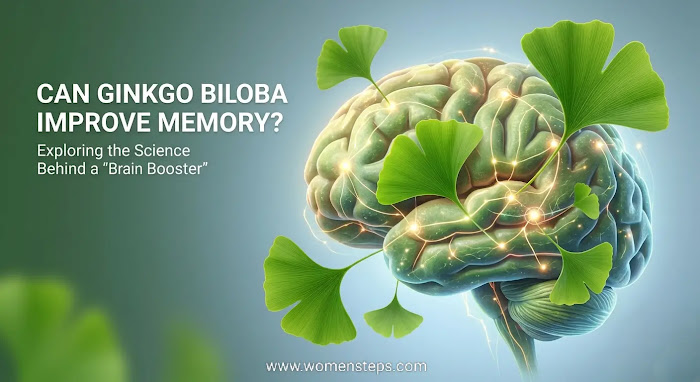
  • Does Ginkgo Biloba Improve Memory? Benefits, Dosage, & Risks

    Does Ginkgo Biloba Improve Memory? Benefits, Dosage, & Risks

    Medical Disclaimer: The information provided on Women Steps is for educational and informational purposes only and is not intended as medical advice, diagnosis, or treatment. Always consult a board-certified physician or qualified healthcare provider in the United States before starting any dietary supplement, particularly if you are taking prescription medications, are pregnant, or have an underlying medical condition.

    Ginkgo biloba is one of the most widely used dietary supplements in the United States, frequently marketed as a natural nootropic to enhance focus, sharpen memory, and support long-term brain health. Derived from the ancient maidenhair tree, this botanical extract has evolved from traditional herbal medicine into a multi-million dollar staple across American wellness aisles.

    However, as interest in cognitive longevity increases, many wonder: Does Ginkgo biloba actually work for memory, or is it mostly marketing hype? Below is a comprehensive, evidence-based review of its biological mechanisms, clinical trial outcomes, standardized dosages, and critical drug interactions.

    1. What is Ginkgo Biloba?

    Ginkgo biloba is a “living fossil” tree species with a lineage extending over 200 million years. Modern commercial supplements utilize concentrated extracts produced from the dried fan-shaped green leaves.

    The therapeutic activity of Ginkgo biloba extract is driven by two primary phytochemical classes:

    • Flavonoid Glycosides: Potent plant-based antioxidants that protect neural cells against oxidative stress, mitochondrial damage, and cellular aging.
    • Terpenoids (Ginkgolides & Bilobalide): Bioactive compounds that modulate blood viscosity, enhance microvascular circulation, and inhibit platelet-activating factor (PAF).

    2. How Does Ginkgo Biloba Affect Brain Function?

    Preclinical and pharmacological research suggests that Ginkgo biloba influences cognitive health through three main cellular pathways:

    1. Cerebral Vasodilation: By stimulating nitric oxide production and dilating small blood vessels, Ginkgo improves blood flow throughout the central nervous system. This enhanced circulation ensures a steady supply of oxygen and glucose to active brain tissues.
    2. Neuroprotection & Free Radical Scavenging: High antioxidant levels neutralize reactive oxygen species (ROS), protecting fragile neuronal membranes from oxidative stress linked to cognitive decline.
    3. Neurotransmitter Support: Clinical models demonstrate that Ginkgo extracts help preserve acetylcholine and catecholamine levels—key chemical messengers required for learning, processing speed, and recall.

    3. What The Science Says: Does It Improve Memory?

    While many health enthusiasts report enhanced mental clarity, major clinical organizations in the U.S. emphasize nuanced expectations.

    According to the National Center for Complementary and Integrative Health (NCCIH), large-scale randomized trials—including the milestone Ginkgo Evaluation of Memory (GEM) Study—found that daily supplementation with 240 mg of Ginkgo biloba did not prevent dementia or alter the progression of Alzheimer’s disease in older adults.

    However, smaller trials published in the National Institutes of Health (NIH) Database indicate that standardized extracts (such as EGb 761) may provide modest cognitive support for:

    • Younger Adults & Working Professionals: Temporary boosts in mental processing speed, working memory retention, and executive task management during high-stress periods.
    • Older Adults with Mild Age-Related Memory Complaints: Minor improvements in daily focus, attention span, and alertness over continuous usage.

    4. Secondary Health Benefits of Ginkgo Biloba

    In addition to memory support, researchers have investigated Ginkgo biloba for several related physiological conditions:

    • Anxiety Support: Controlled clinical trials indicate that specific Ginkgo formulations may help lower physical stress markers and ease symptoms of generalized anxiety disorder (GAD).
    • Ocular Blood Flow: By improving microvascular circulation, Ginkgo may support optic nerve health in individuals managing normal-tension glaucoma or macular degeneration.
    • Peripheral Vascular Health: Ginkgo’s ability to reduce blood viscosity helps alleviate symptoms of poor circulation, such as cold extremities and intermittent claudication.

    5. Standardized Dosage Recommendations for U.S. Consumers

    Most clinical research supporting Ginkgo biloba utilizes standardized leaf extracts containing 24% flavonoid glycosides and 6% terpene lactones (commonly labeled as extract EGb 761).

    • Standard Daily Intake: 120 mg to 240 mg per day, divided into two or three equal doses (e.g., 60 mg twice daily or 80 mg three times daily with meals).
    • Administration Tip: Taking Ginkgo alongside meals minimizes potential gastrointestinal discomfort and enhances nutrient uptake.
    • Timeframe for Results: Ginkgo does not act instantly like synthetic stimulants. Clinical trials indicate that continuous supplementation for 4 to 6 weeks is typically required before evaluating performance changes.

    6. Safety Profile, Side Effects, and Drug Interactions

    While standardized Ginkgo biloba leaf extract is well-tolerated by most healthy adults, dietary supplements in the U.S. are regulated under the Dietary Supplement Health and Education Act (DSHEA) rather than pre-market pharmaceutical approval. Exercise caution with the following factors:

    • Common Mild Side Effects: Temporary headache, mild dizziness, gastrointestinal upset, or allergic skin reactions.
    • Bleeding & Anticoagulant Risks: Because Ginkgo possesses antiplatelet properties, do not combine it with blood thinners like Warfarin (Coumadin), Aspirin, Plavix, or NSAIDs (such as Ibuprofen) without medical supervision. Discontinue use at least 2 weeks prior to elective surgical procedures.
    • Prescription Drug Interactions: Ginkgo may alter metabolism via liver enzymes (CYP450 pathways), interacting with selective serotonin reuptake inhibitors (SSRIs), anticonvulsants, and blood pressure medications.
    • Toxic Seed Warning: Never ingest raw or roasted ginkgo seeds. They contain ginkgotoxin (methoxypyridoxine), an active neurotoxin capable of inducing severe seizures and loss of consciousness.

    7. The Bottom Line

    Ginkgo biloba remains a compelling botanical option for supporting microvascular circulation, reducing oxidative stress, and maintaining everyday mental clarity. While it is not a clinical treatment for neurodegenerative diseases like Alzheimer’s, it offers natural support for those seeking to optimize focus and working memory. Speak with your primary care provider before starting Ginkgo biloba, particularly if you manage existing health conditions or take prescription therapies.

    Frequently Asked Questions (FAQ)

    1. Is it safe to take Ginkgo biloba every day?

    For most healthy adults, taking a standardized leaf extract daily (120–240 mg) is safe for short- to medium-term use (up to six months). Periodic consultations with a healthcare provider help ensure continued safety and efficacy based on your health status.

    2. Does Ginkgo biloba work immediately for memory?

    No. Ginkgo is not a fast-acting stimulant. Scientific research shows that observable cognitive benefits require consistent daily usage over 4 to 6 weeks as tissue concentrations stabilize.

    3. Can I take Ginkgo biloba with my morning coffee?

    Yes, taking Ginkgo alongside morning coffee is generally safe for healthy individuals. Combining Ginkgo’s circulatory support with caffeine’s mild central nervous system stimulation can enhance alertness. However, monitor your intake if you are sensitive to caffeine or prone to anxiety.

    4. Who should strictly avoid Ginkgo biloba?

    Ginkgo biloba should be avoided by pregnant or nursing women, individuals with bleeding disorders or scheduled surgeries, patients taking prescription anticoagulants, and those with a clinical history of epilepsy or seizure disorders.

    5. Does Ginkgo biloba interact with antidepressants?

    Yes. Combining Ginkgo biloba with SSRIs (e.g., Prozac, Zoloft) or MAOIs can alter neurotransmitter metabolism and elevate the risk of adverse events like serotonin toxicity. Always consult your prescribing physician before combining herbal supplements with psychiatric medications.


    About the Author

    Richa M. is an experienced business strategist, operational leader, and Content Director at Women Steps. With over 15 years of organizational and digital strategy experience, she works alongside health and wellness researchers to curate high-authority, evidence-backed guides covering integrative medicine, cognitive longevity, and natural lifestyle optimization.


  • Women Leaders at UW: Navigating Academic Power & Leadership

    Women Leaders at UW: Navigating Academic Power & Leadership

    Editorial Disclaimer: The insights provided on Women Steps regarding higher education administration, gender equity, and leadership strategy at the University of Washington (UW) are intended for professional development and educational purposes. For institutional policies and official governance guidelines, please refer directly to official university administration portals.

    Washington D.C. may be the pulse of national governance, but as leadership strategists consistently observe, the transformative contributions of female executives in complex institutional environments often require strategic visibility. This reality is particularly evident within leading tier-one research institutions like the University of Washington (UW).

    While ascending the tenure-track ladder or entering executive administration in STEM and higher education was historically considered an uphill battle, structural shifts are occurring across higher education governance. Today, women at UW are not merely occupying administrative seats—they are driving policy, securing competitive research grants, and championing institutional equity.

    The Current Landscape of Women in Higher Education Administration

    For early-career administrators, faculty members, and emerging researchers at the University of Washington, stepping into academic leadership involves navigating multi-layered organizational dynamics. In major US university systems, female leaders balance departmental management with governance responsibilities while overcoming implicit bias and systemic promotion friction.

    Initiatives such as the UW ADVANCE Center for Institutional Change have paved the way for institutional transformation, significantly increasing the representation of tenured female faculty across science, technology, engineering, and mathematics departments.

    Strategic Networking: The Key to Academic Career Longevity

    Within large-scale academic ecosystems, professional networking serves as a foundational lever for career elevation and administrative influence:

    • Cultivating Executive Alliances: Female administrators must build cross-functional partnerships with key stakeholders, leveraging executive sponsorship to gain seat-at-the-table visibility.
    • Aligning Strategic Communication: Linking individual departmental milestones directly to university-wide goals—such as expanding research funding and enhancing student retention—ensures administrative contributions receive measurable recognition.
    • Peer Mentorship & Onboarding: Establishing peer-to-peer coaching frameworks helps bridge the critical gap between doctoral graduation and tenure-track executive appointment.

    Improving Workplace Conditions & Institutional Equity at UW

    Fostering positive workplace conditions requires structural strategies that go beyond basic compensation adjustments. According to equity guidelines from the National Science Foundation (NSF), sustainable academic equity demands systemic reform:

    1. Inclusive Curriculum Design: Empowering female academic leaders to shape curriculum standards integrates diverse perspectives into research frameworks, directly benefiting student engagement.
    2. Civic & Community Governance: Active participation in university senate meetings and civic leadership forums positions women as key drivers of institutional change.
    3. Wellness & Work-Life Integration: Designing comprehensive institutional policies that support flexible scheduling, parental leave, and health resources promotes mid-career retention.

    Actionable Roadmap for Academic Advancement

    Transitioning from underrepresented to institutional leader requires deliberate strategy. Key benchmarks include:

    Strategy Pillar Institutional Focus Area Key Leadership Outcome
    Research Leadership Spearheading interdisciplinary grant applications and multi-departmental research projects. Secures institutional funding and expands global academic reputation.
    Mentorship Networks Participating in structured programs like the Alene Moris Women’s Center leadership initiatives. Reduces early-career turnover and builds a resilient leadership pipeline.
    Executive Advocacy Pursuing budget oversight seats and search committee leadership roles. Influences hiring decisions and ensures equitable resource allocation.

    Executive Insight: Strategic leadership in academia depends on proactive positioning. Women who active participate in university budget committees and policy councils build the systemic influence necessary to drive long-term structural equity.

    The Global Impact of Female Academic Leadership

    When female leaders succeed within top-tier institutions like the University of Washington, the positive impact ripples through global academia. Establishing supportive leadership pathways inspires the next generation of scholars and administrators. By addressing key questions—such as how to eliminate the “leaky pipeline” in STEM—universities create resilient ecosystems where diverse leadership thrives. Explore related insights on women shaping climate leadership to see how gender equity drives innovation.

    Frequently Asked Questions (FAQ)

    1. What are the primary structural challenges facing women in academic leadership at UW?
    While the University of Washington leads in equity initiatives, female administrators still navigate challenges such as the “double bind” (balancing perceptions of competence with likability), gender pay gap disparities, and underrepresentation in senior executive roles.

    2. How can young administrators at UW leverage the Foster School of Business for networking?
    Programs like the WE Lead (Women’s Entrepreneurial Leadership) program at the UW Foster School of Business provide workshops, peer coaching, and executive networks designed to accelerate career growth.

    3. What role does the UW ADVANCE Center play in supporting female STEM faculty?
    The UW ADVANCE Center for Institutional Change focuses on removing systemic barriers, fostering culture change, and delivering professional development tailored for women faculty in STEM.

    4. Why is curriculum representation critical for higher education leadership?
    Involving women in curriculum decisions ensures diverse perspectives across research disciplines, equipping students to handle complex gender dynamics in the modern workforce.

    5. What professional development resources are available for female leaders at UW?
    UW offers comprehensive resources, including executive coaching via the Center for Excellence, specialized DEI workshops through Human Resources, and annual leadership summits through the Alene Moris Women’s Center.


    About the Author

    RICHA M is an entrepreneur, business strategist, and digital director dedicated to providing research-driven analysis on executive leadership, higher education governance, and organizational management across top American institutions.