Category: Uncategorised

  • Women’s Fitness Over 40: Hormones, Strength & Longevity Guide

    Women’s Fitness Over 40: Hormones, Strength & Longevity Guide

    Medical Disclaimer: The information provided on WomenSteps is for educational and informational purposes only and is not intended as medical advice. Please consult a qualified healthcare provider or physician before beginning any new exercise routine or diet program, especially if you are managing perimenopause or other health conditions.

    For many women, hitting the age of 40 feels like the rules of fitness have suddenly changed. What once worked in your 20s and 30s—endless cardio and calorie restriction—often yields frustrating results as the body enters the complex transition of perimenopause. But fitness after 40 isn’t about doing more; it’s about training smarter to align with your changing biology. By prioritizing metabolic health, bone density, and hormonal balance, you can unlock a level of strength and vitality that surpasses your younger years. This ultimate guide breaks down the science of thriving in your 40s and beyond, offering a roadmap to sustainable health, muscle preservation, and peak performance.

    Training Pillar Optimal Protocol Biological & Hormonal Impact
    Heavy Resistance (Hypertrophy) 3–4 sessions/week (Compound lifts) Prevents sarcopenia, stimulates bone density, improves glucose disposal.
    Zone 2 Steady-State Cardio 30–45 mins (Brisk walking, cycling) Builds mitochondrial health without over-activating baseline cortisol.
    Sprint Interval Training (SIT) 15–30 sec high-intensity bursts Enhances cardiovascular capacity and insulin sensitivity in minimal time.
    Protein Pacing & Nutrition 1.2–1.6g protein per kg daily Triggers Muscle Protein Synthesis (MPS) and offsets age-related anabolic resistance.

    Navigating the Shift: Understanding Your Body After 40

    For women in their 40s, fitness is no longer just about calories in versus calories out. According to the American College of Obstetricians and Gynecologists (ACOG), this decade typically marks the onset of perimenopause, characterized by significant fluctuations in estrogen and progesterone.

    These hormonal shifts can lead to key metabolic and structural changes:

    • Sarcopenia: The natural loss of skeletal muscle mass and strength, which accelerates by approximately 3% to 8% per decade after age 30 according to research published by the National Institutes of Health (NIH).
    • Metabolic Deceleration: A natural reduction in resting metabolic rate compounded by decreased muscle mass.
    • Visceral Fat Redistribution: A shift in hormone ratios encouraging central adiposity (fat storage around the midsection).

    Understanding these physiological changes is the first step in optimizing your fitness routine to work with your biology, not against it.

    1. Prioritize Hypertrophy: Why Strength Training is Non-Negotiable

    The outdated concept of light-weight “toning” has been replaced by evidence-based progressive overload and hypertrophy (muscle building). Heavy resistance training acts as a critical signal to preserve bone mineral density and prevent osteoporosis, a leading cause of frailty in aging populations according to the Bone Health & Osteoporosis Foundation.

    • The Strategy: Focus on compound movements like squats, deadlifts, overhead presses, and rows. These multi-joint exercises recruit maximum muscle fibers and stimulate an optimal anabolic response.
    • Frequency: Target 3 to 4 dedicated resistance sessions per week with progressive stress.
    • The Benefit: Muscle serves as your primary sink for glucose disposal. Increasing lean tissue optimizes insulin sensitivity, enhances metabolic flexibility, and supports lean body composition.

    2. Strategic Cardio: Zone 2 vs. High-Intensity Training

    Excessive “chronic cardio” (long, moderate-intensity runs) can chronically elevate baseline cortisol—a stress hormone that promotes visceral fat storage and systemic breakdown when chronically high during perimenopause.

    • Zone 2 Training: Low-intensity, steady-state cardio (brisk walking, cycling, or rowing at a conversational pace) performed for 30–45 minutes. This strengthens mitochondrial density and improves metabolic flexibility without stressing the adrenal axis.
    • Sprint Interval Training (SIT): High-effort bursts (15–30 seconds) followed by full recovery. SIT enhances cardiovascular fitness and insulin action in significantly less time without elevated cortisol burnout.

    3. Metabolic Nutrition: Protein Pacing and Micronutrients

    To support muscle tissue preservation and cellular health, your dietary priorities must emphasize adequate amino acid availability.

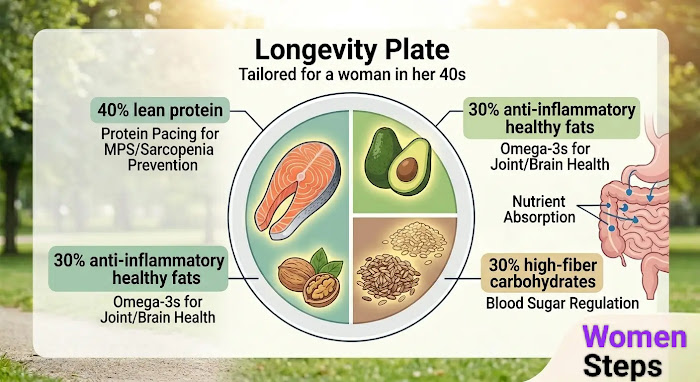
    • Protein Target: Aim for 1.2 to 1.6 grams of protein per kilogram of body weight daily (approximately 25–30+ grams per meal). This stimulates Muscle Protein Synthesis (MPS) effectively despite age-related anabolic resistance.
    • Hydration & Electrolytes: Declining estrogen alters fluid balance and sodium regulation. Supplementing with magnesium, potassium, and sodium keeps cellular hydration optimal and reduces muscle cramping.
    • Anti-Inflammatory Nutrition: Prioritize rich sources of Omega-3 fatty acids (wild-caught salmon, walnuts, chia seeds) and antioxidants to mitigate joint inflammation and oxidative stress.

    4. The Recovery Revolution: Mobility, Sleep, and Stress

    Adaptation and tissue repair occur entirely during rest, making recovery a critical component of longevity training.

    • Mobility over Flexibility: Prioritize active joint range of motion (hip openers, thoracic spine mobility) to maintain movement efficiency and reduce strain during compound lifting.
    • Sleep Architecture: Deep sleep is critical for growth hormone release and neural recovery. Establish consistent sleep hygiene to optimize physiological restoration.
    • Stress Management: Practices like deliberate breathwork, walking in nature, and structured rest periods stabilize autonomic balance and regulate cortisol levels.

    Frequently Asked Questions

    Q: Why is it harder to lose weight after 40?
    A: In your 40s, biological shifts—particularly fluctuating estrogen during perimenopause—can increase insulin resistance and cause subtle muscle loss. This decreases resting energy expenditure. Shifting focus from extreme calorie cuts to strength training and adequate protein intake helps preserve muscle mass and support healthy metabolism.

    Q: Is high-impact cardio safe for women over 40?
    A: High-impact exercises are safe when appropriately programmed and paired with strength training to reinforce bone density and joint stability. However, combining low-impact steady-state exercise with targeted strength work yields maximum metabolic benefits while limiting excess joint strain.

    Q: How much protein do women over 40 actually need?
    A: To combat sarcopenia and support muscle repair, research recommended by the Academy of Nutrition and Dietetics suggests aiming for 1.2 to 1.6 grams of protein per kilogram of total body weight, divided into 25–30 gram servings per meal.

    Q: Can strength training cause a “bulky” appearance?
    A: No. Women naturally produce significantly less testosterone than men, making dramatic muscular bulk unlikely without specific training regimes and caloric surpluses. Strength training creates defined tissue, improves posture, and strengthens bone structures against age-related decline.

    Q: How does elevated cortisol impact middle-aged metabolism?
    A: Increased cortisol sensitivity during perimenopause encourages body fat storage, particularly in the abdominal region. Managing stress levels with smart exercise selection, targeted sleep hygiene, and recovery work helps keep stress hormones balanced.

    Editorial Policy & Medical Review

    Fact-Checked & Scientifically Evaluated: Content on WomenSteps is thoroughly researched and vetted against peer-reviewed metabolic studies published by the American College of Obstetricians and Gynecologists (ACOG), the National Institutes of Health (NIH), and leading exercise science institutions.


  • Ginkgo Biloba for Women: Brain Fog, Hormones & Benefits

    Medical & Supplement Disclaimer: The information on WomenSteps is for educational and informational purposes only and does not substitute for professional medical advice. Always consult a qualified healthcare provider or board-certified physician before starting any supplement routine—especially if you are pregnant, nursing, taking anticoagulants, or managing chronic health conditions.

    Navigating modern career demands, family commitments, and personal wellness often leaves women facing cognitive fatigue, stress, and physical burnout. While lifestyle modifications play a foundational role, botanical science offers targeted support. Ginkgo Biloba—derived from one of the oldest surviving tree species on Earth—has emerged as a leading dietary supplement in women’s wellness for sharpening mental clarity, enhancing microcirculation, and balancing hormonal shifts.

    1. Combatting Brain Fog and Cognitive Fatigue

    Cognitive overload and “brain fog” remain among the most reported wellness concerns for high-performing women. Research evaluated by the National Center for Complementary and Integrative Health (NCCIH) confirms that high-quality Ginkgo Biloba extract acts as a potent botanical antioxidant and microvascular support agent.

    • Enhanced Cerebral Microcirculation: Flavonoids and terpenoids in Ginkgo help widen blood vessels, delivering essential oxygen and glucose to brain tissue for sustained focus.
    • Memory & Executive Function: Unlike caffeine or synthetic energy boosters, standardized Ginkgo extract supports steady executive processing and working memory without jitters or energy crashes.
    • Neuroprotective Antioxidant Defense: Protects delicate neural tissues against oxidative damage caused by chronic daily stress and environmental pollutants.

    2. Natural Support for Hormonal Transitions & Menopause

    Hormonal fluctuations during monthly menstrual cycles, perimenopause, and menopause significantly influence mood, focus, and energy. According to clinical studies published in the National Library of Medicine (NIH), Ginkgo Biloba offers dual psychological and physical support:

    • Premenstrual Syndrome (PMS) Relief: Clinical trials indicate that consistent supplementation during the luteal phase helps reduce emotional severity, including PMS-related irritability, mood changes, and fluid retention.
    • Managing “Menopause Brain”: Fluctuating estrogen levels can impair recall and executive concentration. Ginkgo supports steady cerebral blood flow to help sharpen mental focus throughout menopause.
    • Anti-Inflammatory Comfort: Natural terpenoids help alleviate temporary vascular swelling and physical tenderness associated with hormonal shifts.

    3. Vascular Health, Circulation & Physical Energy

    Optimal vascular function underpins overall physical performance and systemic health across every stage of life:

    1. Sustained Physical Energy: Efficient circulatory transport ensures muscle tissue receives adequate oxygen, helping reduce physical fatigue and improve daily endurance.
    2. Vascular and Sexual Wellness: By promoting nitric oxide activity and peripheral circulation, Ginkgo supports healthy arterial elasticity—benefiting cardiovascular fitness and physical sensitivity.

    4. How to Select a Standardized Ginkgo Supplement

    To maximize benefits and safety, look for high-grade formulations that meet strict dietary supplement standards:

    Quality Criteria Standardized Specification Clinical Guidance
    Extract Standardization Standardized EGb 761 Extract Ensure label specifies 24% Ginkgo Flavone Glycosides & 6% Terpene Lactones
    Therapeutic Dosage 120mg – 240mg Daily Split into two equal doses (Morning and Mid-afternoon with meals)
    Efficacy Timeline Cumulative Response (4–6 Weeks) Requires continuous daily administration for optimal vascular and cognitive cumulative effects

    Safety, Contraindications & Drug Interactions

    Important Safety Advisories

    • Anticoagulant Risk: Ginkgo possesses mild anti-platelet properties. Avoid combining with blood-thinning medications (such as Warfarin, Aspirin, or NSAIDs) without direct medical oversight.
    • Prescription Interactions: May interact with selective serotonin reuptake inhibitors (SSRIs), anticonvulsants, and antihypertensive blood pressure medications.
    • Pre-Surgery Advisory: Discontinue Ginkgo supplementation at least 2 weeks prior to elective surgical or dental procedures to reduce bleeding risks.

    Frequently Asked Questions

    Q: Can Ginkgo Biloba help with menopause brain fog?
    A: Yes. Clinical studies suggest Ginkgo Biloba supports microvascular cerebral blood flow, helping alleviate symptoms of brain fog, forgetfulness, and poor concentration during perimenopause and menopause.

    Q: How long does it take to see results from Ginkgo Biloba?
    A: Unlike immediate stimulants, standardized Ginkgo extract works cumulatively over 4 to 6 weeks of consistent daily usage.

    Q: Is Ginkgo Biloba safe to combine with other daily vitamins?
    A: Yes, Ginkgo combines safely with basic multivitamins, Vitamin C, and Omega-3s. However, exercise caution if combining it with prescription blood thinners or anti-anxiety medications.

    Q: Does Ginkgo Biloba help reduce PMS mood swings?
    A: Research indicates that Ginkgo extract taken during the luteal phase helps stabilize neurochemical responses, reducing psychological symptoms like irritability and anxiety associated with PMS.

    Editorial Policy & Medical Review

    Content on WomenSteps is thoroughly evaluated against established clinical trial data, botanical literature, and dietary supplement research published by the National Institutes of Health (NIH) and the National Center for Complementary and Integrative Health (NCCIH).


  • Gut Health for Women: Immunity, Energy & Brain-Gut Axis Guide

    Gut Health for Women: Immunity, Energy & Brain-Gut Axis Guide

    Medical Disclaimer

    The information on WomenSteps is published for educational purposes only and should not replace professional medical advice, diagnosis, or treatment. Always consult a qualified healthcare provider or gastroenterologist regarding any medical condition or dietary changes.

    Mastering your microbiome is one of the most effective steps toward long-term vitality. Discover science-backed strategies for optimizing women’s gut health to enhance immunity, improve skin clarity, and maintain sustained energy throughout the day.

    Introduction: Why the Gut is a Woman’s “Second Brain”

    Leading medical institutions, including Johns Hopkins Medicine and Harvard Health, refer to the enteric nervous system in our digestive tract as the “Second Brain.” For women, this complex system functions as a main command center governing crucial biological pathways:

    • Hormonal Regulation: Specific intestinal bacteria metabolize and balance circulating estrogen.
    • Mental Well-being: Approximately 90% of the body’s serotonin—a key mood-stabilizing neurotransmitter—is synthesized in the gut.
    • Immune Defense: Research published by the National Institutes of Health (NIH) confirms that roughly 70% of human immune cells reside within gut-associated lymphoid tissue.

    Whether addressing energy dips, cognitive fog, or persistent skin inflammation, optimizing the intestinal microbiome serves as a foundational step toward restoration.

    Part 1: Anatomy of the Microbiome

    The human digestive system harbors trillions of microorganisms—including beneficial bacteria, fungi, and viruses—collectively termed the Microbiome.

    The Microbial Balance: Beneficial vs. Pathogenic Bacteria

    In a healthy system, beneficial bacteria (such as Lactobacillus and Bifidobacterium) maintain dominance over opportunistic pathogens. When dietary stressors, environmental factors, or anti-microbial treatments disrupt this ratio, a state of Dysbiosis occurs.

    Common Indicators of Gut Dysbiosis in Women:

    • Persistent Abdominal Bloating: Frequently occurring post-meal due to improper fermentation.
    • Refined Carbohydrate Cravings: Overgrowth of opportunistic microbes that feed on simple sugars.
    • Dermatological Symptoms: Surface expressions such as eczema, rosacea, or persistent adult acne linked to systemic inflammation.

    Part 2: The Brain-Gut Axis and Cognitive Energy

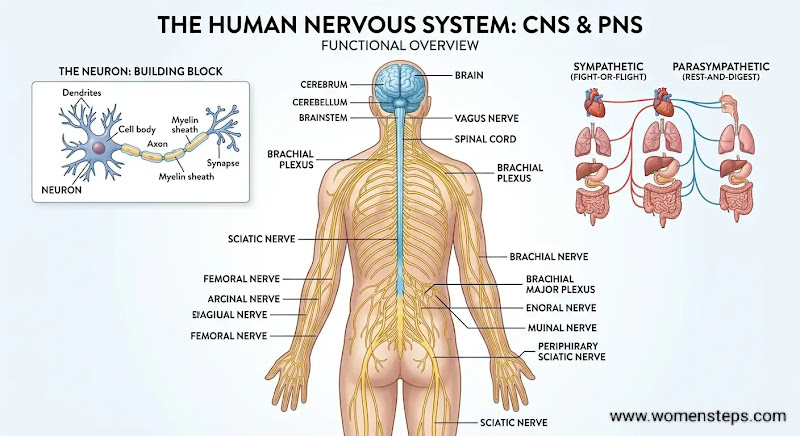
    The bidirectional communication network between the central nervous system and the gastrointestinal tract is mediated primarily by the Vagus Nerve.

    Stress, Cortisol, and Intestinal Permeability

    Elevated physiological stress triggers persistent cortisol release, which can compromise the integrity of the tight junctions in the intestinal lining. This condition, medically known as increased Intestinal Permeability (often referred to as “Leaky Gut”), allows macromolecular particles and bacterial endotoxins to enter systemic circulation, frequently triggering widespread inflammatory responses that manifest as fatigue and brain fog.

    Part 3: The Estrobolome – Hormonal Control in the Gut

    The Estrobolome consists of a specialized collection of gut bacterial genes whose microbes produce beta-glucuronidase—an enzyme that modulates estrogen metabolism.

    • The Mechanism: When intestinal dysbiosis occurs, altered enzyme activity can cause conjugated estrogen destined for excretion to uncouple and re-enter circulation.
    • The Impact: This recirculation can contribute to systemic estrogen dominance, which may present as heavy menstrual cycles, mood volatility, and fluid retention.

    Part 4: The 4-Step Protocol for Gut Restoration

    Implementing evidence-based nutritional updates helps re-establish microflora diversity and support gut barrier integrity:

    1. Remove Inflammatory Triggers

    Minimize consumption of heavily processed foods, refined sugars, and artificial additives that negatively alter the composition of beneficial commensal bacteria.

    2. Support Digestive Physiology

    Natural digestive enzymes and gastric acid decline with age and stress. Incorporating bitter greens or diluted raw apple cider vinegar prior to meals can assist in priming optimal digestion.

    3. Reinoculate with Probiotics & Prebiotics

    Sustaining gut biodiversity requires both live beneficial bacteria and non-digestible plant fibers to nourish them.

    Nutritional Category Biological Function Top Food Sources
    Probiotics Delivers live beneficial cultures to colonize the intestinal tract Unflavored Greek yogurt, plain kefir, raw sauerkraut, kimchi
    Prebiotics Provides prebiotic fiber that feeds and multiplies good microbes Garlic, onions, leeks, asparagus, resistant starches (green bananas)

    4. Repair the Gut Barrier

    Dietary compounds like L-glutamine, collagen peptides, and bone broth provide key amino acids (such as proline and glycine) necessary for supporting epithelial cell structure and intestinal lining recovery.

    Part 5: Frequently Asked Questions

    Q: Are commercial probiotic supplements mandatory for results?
    A: Not necessarily. Integrating a varied range of naturally fermented foods alongside diverse plant fibers often provides a wider spectrum of live cultures and prebiotic material at lower cost.

    Q: What is the typical timeframe for supporting gut barrier recovery?
    A: Clinical observations suggest mucosal lining repair and microbiome balance improvements can occur within 4 to 12 weeks of sustained dietary adjustment and stress reduction.

    Q: Can microflora balance influence sleep quality?
    A: Yes. Intestinal microbes produce pathways essential for synthesizing precursors to melatonin and GABA, both of which govern circadian regulation and restful sleep.

    Editorial & Fact-Checking Policy

    Fact-Checked & Medically Verified: Content on WomenSteps is evaluated against peer-reviewed gastroenterology literature and clinical research published by leading institutions, including Johns Hopkins Medicine and the National Institutes of Health (NIH).


  • 10-Minute Stress Relief Routine for Professional Women

    10-Minute Stress Relief Routine for Professional Women

    Medical Disclaimer: The wellness and stress management techniques shared on WomenSteps are intended for educational and informational purposes only. They are not intended to substitute for professional medical advice, diagnosis, or psychiatric treatment. If you are experiencing symptoms of chronic anxiety, clinical depression, or severe hormonal imbalance, please consult a qualified healthcare provider or a licensed mental health professional.

    Combat burnout in just 600 seconds. Discover the science-backed, 10-minute stress relief routine specifically engineered for the high-pressure lifestyle of executive and professional women.

    The High-Functioning Anxiety Epidemic in Corporate America

    In the modern corporate landscape, constant busyness is often treated as a metric of success. However, chronic elevated cortisol levels represent a physiological tax on your body. For high-achieving women, this frequently manifests as high-functioning anxiety—a state where you maintain outer professional excellence while your internal nervous system remains locked in perpetual “Fight or Flight.”

    According to research from the American Psychological Association (APA), professional women report significantly higher stress levels than their male counterparts, driven primarily by executive pressures and the work-life double burden. To safeguard your cardiovascular health, metabolic balance, and long-term career focus, learning to intentionally down-regulate your nervous system throughout the workday is essential.

    1. The 10-Minute Scientific Micro-Reset Framework

    You do not need an hour-long yoga session during peak working hours to clear brain fog and lower your physiological heart rate. The core objective of this micro-break framework is to quickly shift your Autonomic Nervous System from the sympathetic (stress response) state to the parasympathetic (rest and recovery) state.

    Timeframe Technique Primary Physiological Goal
    Minutes 1–3 Box Breathing Strategy Activates Vagus nerve, lowers blood pressure & clears acute cortisol spikes
    Minutes 4–6 5-4-3-2-1 Sensory Grounding Interrupts predictive mental stress & anchors focus in present surroundings
    Minutes 7–10 Ergonomic Trapezius & Jaw Release Relieves physical tension in the neck/jaw & signals safety back to the brain

    Minutes 1–3: Box Breathing (Vagus Nerve Activation)

    Popularized by peak performance strategists and clinical researchers at Cleveland Clinic, tactical box breathing is the fastest method to stimulate the vagus nerve and reduce acute anxiety.

    • Inhale: Inhale deeply through your nose for 4 seconds, allowing your diaphragm to expand fully.
    • Hold: Hold your breath for 4 seconds, keeping your lungs capacity expanded.
    • Exhale: Exhale slowly through your mouth over 4 seconds.
    • Hold: Pause for 4 seconds before the next breath cycle.
    • Repeat: Complete 3 to 4 full cycles to lower blood pressure and flush out cortisol spikes.

    Minutes 4–6: The 5-4-3-2-1 Sensory Grounding Method

    When intense work deadlines trigger mental overwhelm, your focus drifts into predictive stress. Grounding techniques pull cognitive awareness back to the physical present.

    • 5 Things You Can See: Direct attention to surrounding items (e.g., your desk surface, a succulent plant, monitor stand).
    • 4 Things You Can Touch: Notice tactile textures (e.g., your cotton blazer, notebook cover, chair cushion).
    • 3 Things You Can Hear: Listen to ambient frequencies (e.g., HVAC airflow, distant typing, subtle white noise).
    • 2 Things You Can Smell: Notice scents (e.g., green tea aroma, subtle essential oils).
    • 1 Thing You Can Taste: Focus on lingering taste cues (e.g., mint, sparkling water).

    Minutes 7–10: Ergonomic Trapezius & Jaw Tension Release

    Physical tension habitually accumulates in the neck, jaw, and upper trapezius muscles during long computer sessions. Releasing these muscle groups signals safety back to the brain.

    • The Jaw Release: Take a deep breath in, and as you exhale, allow your lower jaw to drop completely slack, unclenching your teeth.
    • Shoulder Retraction: Draw your shoulder blades backward and down, tucking them toward your back pockets.
    • Lateral Neck Stretch: Gently incline your right ear toward your right shoulder for 30 seconds, then alternate to relieve monitor-induced strain.

    2. Optimizing Your Workspace Environment for Executive Calm

    Whether managing a remote home office or working in a corporate facility, structuring your workspace provides continuous sensory support against stress fatigue.

    • Biophilic Office Design: Integrating indoor plants like Snake Plants (Sansevieria) or Pothos helps purify indoor ambient air quality and creates immediate visual soothing.
    • Blue Light & Circadian Hygiene: Extended screen exposure past mid-afternoon artificially boosts cortisol. Enable warmth filters on monitors or wear blue-light blocking lenses past 4:00 PM.
    • Targeted Hydration & Herbal Adaptogens: Replace late afternoon caffeine drinks with adaptogenic blends like Ashwagandha or magnesium-fortified beverages to support adrenal recovery according to Harvard Health Publishing.

    Frequently Asked Questions

    Q: Can I perform this 10-minute stress routine during workplace meetings?
    A: Absolutely. Tactical Box Breathing and jaw unclenching are completely discreet. They function as effective stealth techniques to down-regulate your stress response during high-stakes presentations or video calls.

    Q: How does sustained corporate stress impact skin health and hair density?
    A: Chronic elevated cortisol activates widespread inflammatory pathways. This frequently leads to adult breakouts, collagen breakdown, and temporary hair thinning, clinically known as telogen effluvium.

    Q: Are high-sugar cravings during work deadlines driven by biology?
    A: Yes. Under acute stress, your adrenal glands signal a demand for rapid glucose to fuel immediate physical action. Substituting fast-acting sugars with nutrient-dense fats, like raw almonds or walnuts, stabilizes blood sugar spikes and reduces hormonal cravings.

    Q: Are micro-breaks scientifically effective for burnout prevention?
    A: Yes. Neuroscience studies demonstrate that short 5 to 10-minute targeted physiological pauses interrupt cumulative stress build-up, preserving cognitive focus and preventing afternoon burnout.

    Editorial & Fact-Checking Policy

    Fact-Checked & Medically Verified: Content on WomenSteps is evaluated against published neurobiology literature and peer-reviewed stress mitigation guidelines from official authorities, including the American Psychological Association (APA), Harvard Health Publishing, and the Cleveland Clinic.


  • 7 Ways to Lose Back and Face Fat Naturally | WomenSteps

    7 Ways to Lose Back and Face Fat Naturally | WomenSteps

    Medical Disclaimer: The information provided on WomenSteps is for educational and informational purposes only and is not intended as medical advice. Always consult a qualified healthcare professional or licensed physician before making changes to your diet, exercise routine, or health habits.

    Stubborn fat along the upper back or face can be frustrating. Unlike abdominal fat, these areas often reflect overall fluid retention, muscle tone, and systemic fat distribution. Whether it is unwanted morning facial puffiness or tension across the shoulder blades, lasting results require a holistic lifestyle approach.

    While it is physiologically impossible to spot-reduce fat from one isolated area, you can prime your metabolism to burn fat globally while strengthening underlying muscle groups. Here are seven science-backed, natural strategies to help you reach your body composition goals sustainably.

    1. Optimize Your Basal Metabolic Rate (BMR)

    Fat loss occurs across the body when stored energy (adipose tissue) is metabolized. Increasing your Basal Metabolic Rate (BMR)—the energy your body consumes at rest—is fundamental to sustainable progress.

    • Prioritize High-TEF Protein: Incorporating lean protein sources (eggs, poultry, or legumes) increases the Thermic Effect of Food (TEF), requiring more energy for digestion.
    • Incorporate Resistance Training: Building lean muscle tissue raises overall caloric expenditure around the clock, supporting gradual fat reduction across the back and jawline.

    2. Adopt Whole-Food Mediterranean Nutrition

    According to guidelines from the U.S. Department of Agriculture (USDA), anti-inflammatory dietary patterns like the Mediterranean diet support overall metabolic health and reduce fluid retention.

    • Healthy Fatty Acids: Integrate extra virgin olive oil and wild-caught fatty fish rich in Omega-3s to support skin health and cellular metabolism.
    • Complex Carbohydrates: Swap refined flours for fiber-dense grains like quinoa and oats to keep blood sugar stable.
    • Cruciferous Vegetables: Leafy greens aid natural detoxification and decrease excessive water weight.

    3. Master Daily Hydration Standards

    Optimal hydration is vital for cellular lipolysis (fat breakdown). The National Academies of Sciences, Engineering, and Medicine recommends roughly 11.5 cups (2.7 liters) of daily fluid intake for adult women.

    Inadequate fluid intake triggers physiological water conservation, leading to fluid pooling around the cheekbones and neck line. Adding fresh lemon provides beneficial citrus polyphenols alongside improved fluid intake.

    4. Target Facial Muscle Tone and Circulation

    While systemic cardio helps reduce overall fat thickness, targeted facial conditioning improves muscle tone and microcirculation:

    • Jawline Engagements: Gently engaging the masseter muscles helps define the jaw structure over time.
    • Cheek Elevation: Controlled smiling exercises engage the zygomaticus muscles, enhancing facial firmness.
    • Lymphatic Drainage: Gentle manual facial massage aids excess fluid removal from swollen tissues.

    5. Strengthen Upper Back Posterior Chain

    Toning the underlying muscular framework reduces posture slumping and defines the upper torso. Target the latissimus dorsi, trapezius, and rhomboids:

    • Superman Holds: Lying prone and lifting chest and legs strengthens the lower and mid-back extensors.
    • Resistance Rows / Pulldowns: Pulling movements improve posture, standing taller, and pulling back rolls tight across the ribs.

    6. Manage Stress and Cortisol Production

    According to research from the National Institutes of Health (NIH), chronic psychological stress increases adrenal production of cortisol. Sustained high cortisol levels encourage visceral fat accumulation around the upper body, back, and neck.

    Effective Postural Asanas:

    • Cobra Pose (Bhujangasana): Opens the thoracic spine, strengthening upper back postural muscles.
    • Triangle Pose (Trikonasana): Engages core obliques and encourages spinal alignment.

    7. Reduce High-Sodium Foods and Refined Sugars

    Excess sodium intake is the primary factor in acute facial water retention. According to the Centers for Disease Control and Prevention (CDC), reducing ultra-processed food consumption helps stabilize fluid balance and blood pressure.

    Target Area Focus Primary Driver Most Effective Action Step
    Facial Puffiness Fluid Retention & Sodium Balance Increase potassium intake & master 2.7L daily hydration
    Upper Back Rolls Posterior Muscle Weakness & Systemic Fat Progressive resistance rowing & high-TEF protein diet
    Upper Body Cortisol Fat Chronic Adrenal Stress Response Cortisol management, sleep recovery & yoga postures
    • Herb Substitution: Replace excessive table salt with natural herbs and garlic for flavor.
    • Potassium Balancing: Incorporate potassium-rich foods like spinach, avocados, and bananas to assist kidneys in flushing surplus sodium.

    Final Takeaway

    Achieving a sculpted facial structure and defined back takes patience and daily consistency. Sustainable progress comes from combining proper hydration, structured strength training, balanced nutrition, and stress management over time.

    Frequently Asked Questions (FAQ)

    1. Is spot reduction of back or facial fat possible?

    No. Research confirms fat loss occurs systemically across the body in a caloric deficit. Targeted exercise strengthens and defines underlying muscles, improving appearance as total body fat drops.

    2. How quickly can facial puffiness decrease?

    Facial swelling linked to fluid retention can improve within 24 to 48 hours by reducing sodium intake, drinking adequate water, and engaging in gentle facial circulation exercises.

    3. Why does stress affect upper body fat storage?

    Elevated cortisol levels caused by chronic stress trigger fat storage around the neck, face, and midsection. Managing stress helps optimize hormonal balance for fat loss.

    4. What are the best movements for back tone?

    Prone superman holds, dumbbell rows, and lat pulldowns strengthen the posterior chain and encourage better posture, instantly creating a longer, leaner torso line.

    5. Does proper hydration support fat loss?

    Yes. Water is required for lipolysis—the chemical breakdown of lipids in the body. Staying hydrated also prevents your body from holding on to excess fluid in the cheeks and chin area.

    Editorial & Fact-Checking Policy

    Fact-Checked & Medically Verified: Content on WomenSteps is evaluated against peer-reviewed metabolic literature and clinical guidance published by official institutions, including the U.S. Department of Agriculture (USDA), the Centers for Disease Control and Prevention (CDC), and the National Institutes of Health (NIH).


  • The Truth About Women and 30% Body Fat: Healthy or High?

    The Truth About Women and 30% Body Fat: Healthy or High?

    Medical Disclaimer: The body composition information provided on WomenSteps is intended strictly for educational purposes and should not replace professional medical advice, diagnosis, or treatment. Body composition standards vary based on clinical history, age, and metabolic health. Always consult a qualified physician or registered dietitian before beginning a new exercise or dietary regimen.

    When you step onto a smart scale or receive the results of a body composition scan, seeing a 30% body fat readout often triggers immediate confusion. Is 30% considered fit, average, or a potential metabolic health risk? In this guide, we break down what clinical science says about female body composition, hormonal regulation, and how to optimize your lean muscle mass for long-term health.

    Infographic showing 30 percent body fat as average for women on a fitness scale.

    The 30% Threshold: Healthy or High?

    Body composition assessment has largely replaced total body weight as the gold standard metric for evaluating physical health. According to official guidelines from the American Council on Exercise (ACE), a body fat percentage of 25% to 31% for women falls squarely into the “Average” range.

    However, context matters. Depending on your age, physical activity baseline, and genetics, 30% body fat sits directly on the border between optimal wellness and elevated metabolic risk. Understanding where your body fat is stored and how much lean muscle you carry is essential for evaluating your overall physiological health.

    Why Body Fat Percentage Matters More Than BMI

    Two women with different muscle mass showing how body composition differs from BMI.

    For decades, medical practitioners relied heavily on the Body Mass Index (BMI). However, clinical research published by the National Institutes of Health (NIH) highlights significant flaws in BMI because it cannot differentiate between bone density, lean skeletal muscle mass, and adipose tissue.

    For example, a female athlete with high muscle density may be categorized as “overweight” by standard BMI charts. Conversely, an individual experiencing “normal weight obesity” (often referred to as skinny fat) may have a healthy BMI while harboring disproportionately low muscle tissue and high body fat. Body Fat Percentage (BFP) evaluates true metabolic health by calculating adipose tissue relative to total lean mass.

    The Physiology of Female Body Fat

    Women naturally require higher essential fat levels (10%–13%) compared to men (2%–5%) to maintain reproductive health, support estrogen synthesis, and facilitate fat-soluble vitamin absorption. Essential fat protects internal organs and ensures normal endocrine function. While many women focus on daily comfort—such as using period pain relief and self-care strategies—maintaining stable endocrine health plays an equally critical role in minimizing systemic inflammation.

    Health Risks of Exceeding the 30% Mark

    While 30% is clinically acceptable for many women, allowing body fat to cross into 32% or higher can elevate risks associated with metabolic syndrome:

    1. Insulin Resistance & Type 2 Diabetes: Accumulation of deep visceral fat around internal organs impairs cellular insulin sensitivity, making glucose uptake less efficient.
    2. Estrogen Dominance: Adipose tissue functions as an active endocrine organ that produces estrogen. Excessive fat stores can disrupt ovulation and trigger hormonal imbalances.
    3. Cardiovascular Strain: Systemic inflammation caused by elevated visceral adiposity contributes to arterial stiffness. According to the Centers for Disease Control and Prevention (CDC), cardiovascular disease remains the leading cause of death for women in the United States.

    How to Get an Accurate Measurement

    A woman receiving a professional body composition scan from a medical expert.

    Tracking changes in body composition accurately requires selecting the right measurement diagnostic tool:

    • DEXA Scan (Dual-Energy X-ray Absorptiometry): The gold standard in clinical research. DEXA scans deliver detailed breakdowns of bone mineral density, lean tissue mass, subcutaneous fat, and visceral adipose tissue.
    • Hydrostatic Underwater Weighing: Measures body density based on water displacement. Highly accurate but less widely available outside clinical laboratories.
    • Bioelectrical Impedance Analysis (BIA): Found in consumer smart scales and gym scanners. BIA measures electrical current speeds through tissue. While convenient, readings fluctuate based on daily hydration levels.
    • Skinfold Calipers: Measures subcutaneous fat thickness at specific anatomical sites. Caliper accuracy depends heavily on operator expertise.

    Factors That Influence Your Number: Age and Menopause

    Healthy target body fat percentages shift across different decades of life. As women age, changes in hormone levels naturally alter body composition:

    Age Group Healthy Body Fat Range Primary Hormonal / Metabolic Focus
    Ages 20–39 21% – 28% Reproductive health & peak athletic performance
    Ages 40–49 22% – 30% Perimenopause metabolic transitions & baseline preservation
    Ages 50+ (Post-Menopause) 30% – 33% Estrogen decline adaptation & visceral fat management

    3 Science-Backed Steps to Optimize Body Composition

    A woman performing resistance training to build muscle and improve metabolic health.

    Rather than pursuing aggressive crash diets, aim for Body Recomposition—the process of simultaneously building lean skeletal muscle mass while gradually reducing excess body fat. Building sustainable lifestyle habits is crucial; start by building tailored women’s daily health and wellness routines that suit your schedule.

    1. Prioritize Dietary Protein and Fiber

    To support muscle protein synthesis and maintain satiety during fat loss, aim for 0.7 to 1.0 grams of high-quality protein per pound of target body weight. Protein requires more energy for digestion (the Thermic Effect of Food) compared to simple carbohydrates. Pair your protein intake with soluble fiber to help regulate blood sugar spikes.

    2. Engage in Progressive Resistance Training

    While steady-state cardiovascular exercise burns calories during the activity itself, resistance training builds metabolic tissue. Lifting weights 3 to 4 times per week increases muscle mass, elevating your Basal Metabolic Rate (BMR) so your body burns energy more efficiently at rest.

    3. Manage Cortisol and Prioritize Sleep

    According to research from Harvard Health Publishing, systemic elevated cortisol levels encourage the body to store visceral fat in the abdominal region. Securing 7 to 9 hours of quality sleep nightly supports hormonal recovery and metabolic balance.

    The Bottom Line

    Is 30% body fat a cause for alarm? No. For many women—especially those balancing busy careers, family, or navigating post-menopause—30% body fat represents a healthy, sustainable baseline that supports endocrine and metabolic functions. If your goal is to enhance athletic performance, focusing on strength training and balanced nutrition will help you achieve a leaner body composition safely.

    Frequently Asked Questions (FAQ)

    1. Is 30% body fat considered “overweight” for a woman?

    According to the American Council on Exercise (ACE), 30% body fat falls into the “Average” category. While it is not classified as clinical obesity (which generally starts at 32% or higher), it sits on the upper bound of the healthy range for younger women.

    2. Can I have 30% body fat and still look “toned”?

    Yes. Visual appearance depends heavily on total muscle mass. A woman with 30% body fat who regularly lifts weights will display firmer muscle definition than someone with low muscle density at the same percentage.

    3. How long does it take to reduce body fat from 30% to 25%?

    A sustainable rate of fat loss is approximately 0.5% to 1% of total body fat per month. For most women, safely moving from 30% to 25% requires 4 to 6 months of structured resistance training and a moderate calorie deficit paired with high protein intake.

    4. Why do women naturally carry more body fat than men?

    Women carry higher essential body fat (10%–13% versus 2%–5% in men) to support biological functions like estrogen production, menstrual regularity, and reproductive capacity. Dropping below essential fat levels can result in hypothalamic amenorrhea and decreased bone density.

    5. How does age change healthy body fat standards?

    As estrogen levels change with age—particularly post-menopause—body fat distribution naturally shifts. A body fat level of 30% to 33% is considered healthy for women over 50, whereas women in their 20s typically aim for 21% to 25% for high athletic performance.

    Editorial & Fact-Checking Policy

    Fact-Checked & Medically Reviewed: WomenSteps content is evaluated against peer-reviewed exercise physiology and clinical literature published by the American Council on Exercise (ACE), the Centers for Disease Control and Prevention (CDC), and the National Institutes of Health (NIH).


  • Silent Signs of Heart Attack in Women: A Life-Saving Guide to Symptoms and Prevention

    Medical Disclaimer: The content on WomenSteps is for educational and informational purposes only and does not constitute medical advice, diagnosis, or treatment. Always consult a qualified healthcare provider with any questions regarding a medical condition. If you think you may be experiencing a medical emergency, call 911 or your local emergency services immediately.

    Mature woman placing her hand on her chest in discomfort, representing subtle heart attack symptoms in women.

    Why Heart Attacks Look Different for Women

    For decades, the standard image of a heart attack was a man clutching his chest and falling to the ground. However, medical research from the American Heart Association (AHA) shows that women often experience more subtle, “atypical” symptoms. Because these signs are often dismissed as acid reflux, the flu, or normal aging, women are statistically more likely to delay seeking emergency care.

    Recognizing these symptoms early is critical. According to health reports from the Centers for Disease Control and Prevention (CDC), heart disease remains the leading cause of death for women in the United States. Below is a detailed breakdown of the warning signs you cannot afford to ignore.

    Symptom Area Classic Presentation (Men) Atypical Presentation (Women)
    Chest Discomfort Crushing, central chest pain Fullness, squeezing, or subtle pressure
    Radiating Pain Left arm radiation Jaw, neck, shoulder, or upper back ache
    Secondary Signs Shortness of breath, sweating Nausea, sudden extreme fatigue, flu-like cold sweats

    1. Unconventional Chest Pain (The “Pressure” Sensation)

    While chest pain is the most recognized symptom, many women do not describe it as sharp pain. Instead, they report:

    • Pressure or Fullness: Feeling like a heavy rope is being tightened around the upper body.
    • The “Elephant” Effect: A heavy sensation in the center of the chest that lasts more than a few minutes or goes away and returns.
    • Squeezing: A sensation resembling severe indigestion or “fullness” that fails to subside with antacids.

    2. Radiating Pain: The Jaw, Neck, and Back

    Close-up view of a woman holding her neck and jaw in pain, illustrating radiating pain from a heart attack.

    Men typically feel pain radiating down the left arm. In contrast, women are statistically more likely to experience pain in the upper back, neck, or jaw. While many women are accustomed to dealing with routine discomfort—such as using period pain relief and self-care strategies—sudden, unexplained upper body pain requires immediate medical evaluation.

    • The Sign: A dull ache or sharp discomfort that originates in the chest and travels upward or into the back.
    • Why It Happens: The nerves surrounding the heart are closely linked with those in the jaw and spine, causing “referred pain.”

    3. Shortness of Breath and Lightheadedness

    Experiencing severe breathlessness after minor movement requires immediate attention.

    • Dyspnea: Sudden shortness of breath that occurs at rest or without exertion.
    • Associated Symptoms: Often accompanied by lightheadedness, dizziness, or a feeling of impending fainting.

    4. Cold Sweats and Flu-Like Symptoms

    Many women mistake an active cardiac event for a sudden flu or elevated stress.

    • Cold Sweats: Breaking into a sudden, clammy sweat despite a cool ambient room temperature.
    • Nausea: Persistent nausea or vomiting. When combined with sudden exhaustion, this serves as a major sign of myocardial infarction.

    5. Sudden, Extreme Fatigue

    Woman looking overwhelmed and exhausted on a sofa, symbolizing sudden fatigue before a cardiac event.

    Unexplained, debilitating fatigue is one of the most common early warning signs reported by women weeks prior to a heart attack.

    Risk Factors Specific to Women

    Understanding unique cardiovascular risks highlighted by the CDC helps with effective prevention:

    • Diabetes: Diabetic women carry a higher relative risk of developing heart disease compared to diabetic men.
    • Mental & Emotional Stress: Women’s cardiovascular systems are significantly impacted by acute emotional stress.
    • Pregnancy Complications: Conditions like preeclampsia (high blood pressure during pregnancy) raise long-term cardiovascular risk.
    • Menopause: Reduced estrogen levels post-menopause pose noticeable risks to arterial flexibility.

    When to Call 911 (Emergency Response)

    Close-up of hands gripping a smartphone to dial 911 with emergency lights in the background.

    Do not drive yourself or wait for symptoms to pass. Emergency personnel can initiate vital life-saving treatments immediately upon arrival in the ambulance.

    Prevention & Lifestyle Health

    Maintaining long-term cardiovascular health requires a comprehensive wellness approach:

    Frequently Asked Questions (FAQ)

    1. Can a woman have a heart attack without chest pain?

    Yes. Many women experience silent heart attacks where typical chest pain is absent, replaced instead by extreme fatigue, shortness of breath, or upper back and jaw pressure.

    2. How do heart attack symptoms differ between men and women?

    Women are much more likely to report secondary symptoms such as nausea, dizziness, and back pain, whereas men more frequently report radiating left arm pain.

    3. Can stress cause heart attack symptoms in women?

    Yes. Emotional trauma or intense stress can trigger Takotsubo Cardiomyopathy (Broken Heart Syndrome), which mimics severe heart attack symptoms.

    Editorial & Fact-Checking Policy

    Fact-Checked & Medically Verified: Content on WomenSteps is evaluated against clinical research published by authoritative sources, including the American Heart Association (AHA), the Centers for Disease Control and Prevention (CDC), and the National Institutes of Health (NIH).


  • The Longevity Gap: Why US Women Live Longer and Why It’s Shrinking

    The Longevity Gap: Why US Women Live Longer and Why It’s Shrinking

    Health information notice:
    This article is provided for general educational purposes and does not provide
    individualized medical advice, diagnosis, or treatment. Health decisions should
    be discussed with a qualified healthcare professional who understands your
    personal circumstances.

    Women’s Health & Longevity

    The Longevity Gap: Why U.S. Women Live Longer—and Why It’s Shrinking

    Women still have a meaningful life-expectancy advantage in the United States.
    The latest national data, however, show that the difference between women
    and men is becoming smaller. Here’s what the numbers tell us—and what they
    do not tell us.

    Diverse women walking together outdoors, representing women's longevity and healthy aging

    Women’s longevity is shaped by a combination of biology, behavior,
    healthcare, social conditions and broader public-health factors.

    How long people live is influenced by much more than biology. Access to
    healthcare, income, education, working conditions, behavior, chronic disease,
    injury risk and the environment around us can all influence population health.
    One of the clearest patterns in U.S. mortality statistics is that women have
    historically lived longer than men.

    But that advantage is not fixed. According to final 2024 data from the
    CDC’s National Center for Health Statistics (NCHS)
    , life expectancy
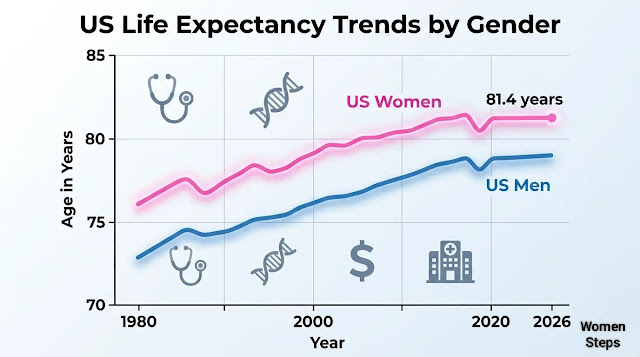
    at birth was 81.4 years for U.S. females and
    76.5 years for U.S. males. That represents a difference of
    4.9 years. In 2023, the difference was 5.3 years, meaning the gap narrowed
    by 0.4 year in 2024.

    That change raises an important question: if women still live longer on
    average, why is the longevity gap getting smaller? The answer is complicated.
    It involves changes in mortality among men, chronic diseases affecting both
    sexes, behavioral patterns, healthcare, socioeconomic conditions and
    biological differences.

    Key Takeaways

    • U.S. women had a life expectancy of 81.4 years in 2024.
    • U.S. men had a life expectancy of 76.5 years in 2024.
    • The female–male life-expectancy gap was 4.9 years in 2024,
      down from 5.3 years in 2023.
    • Women’s longer average lifespan cannot be explained by one biological
      factor. Biology, behavior, healthcare and social conditions all matter.
    • Living longer does not automatically mean spending more years in good
      health. Healthspan and quality of life are also important.

    What the Latest U.S. Numbers Tell Us

    The most recent final mortality data from the CDC show that life expectancy
    increased for both women and men between 2023 and 2024. However, the increase
    was larger for men, which is why the female–male gap became smaller.

    81.4

    Years: female life expectancy at birth, 2024
    76.5

    Years: male life expectancy at birth, 2024
    4.9

    Years: female–male life-expectancy gap, 2024

    Female vs. Male Life Expectancy

    Measure 2023 2024 Change
    Female life expectancy at birth 81.1 years 81.4 years +0.3 year
    Male life expectancy at birth 75.8 years 76.5 years +0.7 year
    Female–male gap 5.3 years 4.9 years −0.4 year

    Source: U.S. Centers for Disease Control and Prevention, National Center
    for Health Statistics, Mortality in the United States, 2024.

    Why Have Women Historically Lived Longer?

    The female longevity advantage is not the result of one simple cause.
    Researchers have examined biological, behavioral and social explanations,
    and the evidence points to an interaction between many factors.

    Biological differences may play a role

    Sex-related biological differences may influence cardiovascular health,
    immune responses, metabolism and other processes associated with aging.
    Hormones, chromosomes and differences in biological aging have all been
    studied as possible contributors to the longevity difference.

    However, it would be misleading to describe one biological mechanism as
    the definitive reason women live longer. Human longevity is influenced by
    multiple interacting factors, and population differences cannot be reduced
    to biology alone.

    Behavior and risk exposure also matter

    Differences in health-related behaviors and exposure to certain risks can
    influence mortality. Smoking, alcohol use, occupational hazards, road
    injuries, violence, substance use and other external causes of death have
    not affected women and men in exactly the same way.

    These patterns can be especially important because deaths occurring earlier
    in adulthood have a larger effect on life expectancy than deaths occurring
    at very advanced ages.

    Healthcare and prevention contribute too

    Women and men may differ in when and how they interact with healthcare
    services. Preventive care, screening, treatment of chronic conditions and
    timely management of health problems can all influence outcomes.

    Healthcare utilization is only one part of the picture, however. The ability
    to obtain care, afford medication, take time away from work, access healthy
    food and live in a safe environment can also shape health outcomes.

    Why Is the Longevity Gap Shrinking?

    The latest numbers provide an important clue. Between 2023 and 2024,
    female life expectancy increased by 0.3 year, while male life expectancy
    increased by 0.7 year. As a result, the difference between the two groups
    decreased from 5.3 years to 4.9 years.

    A narrowing gap does not mean that women are suddenly
    losing their longevity advantage. Women continued to have the higher
    life expectancy in 2024. Instead, the change means that mortality improved
    more for men than for women during that particular period.

    The important distinction:
    A shrinking gap can happen because one group gains more years, because
    mortality patterns change differently between groups, or because both
    happen at the same time. A single year’s movement should therefore be
    interpreted in the context of longer-term trends rather than treated as
    proof of a permanent reversal.

    Several forces can influence the difference

    • Changes in premature mortality:
      Deaths occurring among younger and middle-aged adults can have a
      disproportionate effect on life expectancy.
    • Chronic disease:
      Cardiovascular disease, cancer, diabetes and other chronic conditions
      influence mortality patterns for both sexes.
    • External causes:
      Injuries, overdoses and other external causes of death can affect
      male mortality particularly strongly in some age groups.
    • Changes in healthcare and prevention:
      Improvements in diagnosis, treatment and prevention can affect
      mortality differently across populations.
    • Social and economic conditions:
      Employment, income, education, housing, environment and access to
      healthcare all contribute to population health.

    The broader lesson is that the longevity gap is not a fixed biological
    constant. It can change as health risks, medical care, behavior and social
    conditions change.

    What Happens After Age 65?

    Life expectancy at birth is only one way to look at longevity. Another
    useful measure is the number of additional years people are expected to
    live after reaching age 65.

    In 2024, the CDC estimated remaining life expectancy at age 65 at
    20.8 years for females and 18.4 years for males.
    The female–male difference at age 65 was therefore 2.4 years.

    This is different from the 4.9-year gap at birth. It illustrates why
    longevity statistics should always be interpreted in context: the size
    of the difference depends on the age at which life expectancy is measured.

    Life Expectancy Is Not the Same for Every U.S. Population

    National averages can hide substantial differences between populations.
    Life expectancy varies by race and Hispanic origin, geography,
    socioeconomic circumstances and other factors.

    These differences should not be interpreted as biological rankings.
    Population health is shaped by a complex combination of income, education,
    healthcare access, neighborhood conditions, occupational exposures,
    environmental factors, chronic disease, discrimination and many other
    influences.

    For that reason, this article does not present a simple ranking of racial
    or ethnic groups as though one number could explain the health experience
    of every woman. The CDC’s mortality and life-table datasets provide the
    appropriate context for examining differences between populations.
    Comparison graphic showing U.S. female and male life expectancy

    Life expectancy is a population-level statistic and does not predict an
    individual’s lifespan.

    Heart Disease Remains a Major Concern for Women

    Living longer does not mean women are protected from serious chronic
    disease. Heart disease remains the leading cause of death among
    women in the United States.

    According to the CDC, heart disease was responsible for
    304,970 deaths among U.S. women in 2023, representing
    about one in five female deaths that year.

    Important cardiovascular risk factors include high blood pressure,
    high cholesterol, diabetes, smoking, physical inactivity and other
    individual and environmental factors. Women can also experience heart
    disease differently at different stages of life.

    The practical lesson is not that every woman needs the same medical
    screening schedule. Rather, cardiovascular risk should be discussed
    with a healthcare professional based on age, family history, symptoms,
    existing conditions and other individual factors.

    The Biological Side of Female Longevity

    Biology is one part of the longevity story. Researchers have investigated
    the possible roles of sex hormones, sex chromosomes, immune function,
    cellular aging and other biological differences.

    Estrogen, for example, has important effects on several body systems,
    including the cardiovascular system. However, it would be inaccurate to
    turn this into a simple claim that estrogen alone explains women’s longer
    lives. Hormonal changes across the life course are complex, and individual
    health outcomes vary considerably.

    The strongest explanation is therefore a combination of biology and
    lived experience rather than a single “female longevity gene” or
    one protective hormone.

    Living Longer Does Not Always Mean Living Healthier

    One of the most important distinctions in conversations about longevity
    is the difference between lifespan and
    healthspan.

    Lifespan refers to how long a person lives. Healthspan refers more broadly
    to the years spent in relatively good health and with the ability to
    participate in everyday life.

    A longer average lifespan is valuable, but the quality of those additional
    years matters too. Chronic disease, mobility limitations, cognitive
    problems and loss of independence can affect later life even when a
    person reaches an advanced age.

    A better question than “How long will I live?” is often:
    “What can I do to improve the chances of remaining healthy, independent
    and active as I age?”

    Practical Ways to Support Healthy Aging

    No lifestyle strategy can guarantee a particular lifespan. However,
    several broadly established health behaviors can support cardiovascular,
    metabolic, muscular and overall wellbeing.

    1. Know your cardiovascular risk factors.
      Keep track of health measures that your healthcare professional
      recommends, such as blood pressure, cholesterol and blood glucose.
      Ask what your personal risk factors mean rather than relying on
      population averages.
    2. Stay physically active.
      Regular movement supports cardiovascular fitness, muscle function,
      mobility and overall health. Include activities appropriate for your
      age, abilities and health status.
    3. Protect muscle and bone strength.
      Resistance and weight-bearing activities can be useful components of
      healthy aging. If you have an injury, chronic condition or other
      limitation, ask a qualified professional how to exercise safely.
    4. Build a balanced eating pattern.
      A varied diet that includes vegetables, fruits, whole grains, legumes,
      nuts, adequate protein and other nutrient-rich foods can support
      overall health. Individual dietary needs vary.
    5. Protect sleep and social wellbeing.
      Consistent sleep, meaningful relationships and opportunities for
      social connection are important parts of overall wellbeing. Persistent
      sleep or mental-health concerns deserve professional attention.
    Health and longevity concepts including preventive care, nutrition and physical activity

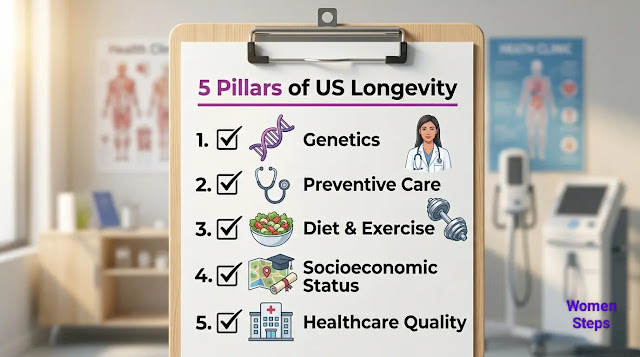
    Healthy aging involves many factors, including preventive healthcare,
    physical activity, nutrition and social wellbeing.

    Why Social and Economic Conditions Matter

    Longevity is not determined entirely by individual choices. Where a person
    lives, works and ages can affect the opportunities available to maintain
    good health.

    Access to healthcare, affordable medicines, nutritious food, safe housing,
    transportation, education, stable employment and clean environments can
    all influence health outcomes.

    This is why telling people simply to “make healthier choices” can be
    incomplete. Personal behavior matters, but health is also shaped by the
    circumstances in which people make those choices.

    What the Longevity Gap Means for Women

    The latest statistics provide both good news and an important reminder.
    Women continue to have a longer average life expectancy than men in the
    United States. At the same time, the advantage is not permanent or
    guaranteed.

    The narrowing gap also demonstrates why longevity should not be treated
    as a competition between women and men. Changes in mortality can affect
    both groups, and the reasons behind those changes are often connected to
    broader public-health conditions.

    For individual women, the most useful takeaway is to focus less on a
    single life-expectancy number and more on the factors that can support
    health and independence throughout the years: preventive care, physical
    activity, nutritious eating, adequate sleep, social connection and
    appropriate management of health risks.

    Frequently Asked Questions

    What is the life expectancy of a woman in the United States?

    According to final 2024 CDC data, life expectancy at birth for U.S.
    females was 81.4 years.

    How much longer do women live than men in the United States?

    In 2024, female life expectancy at birth was 81.4 years compared with
    76.5 years for males. The difference was therefore 4.9 years.

    Is the life-expectancy gap between women and men shrinking?

    Yes. The CDC reported a female–male life-expectancy difference of
    5.3 years in 2023 and 4.9 years in 2024. The gap therefore narrowed
    by 0.4 year in 2024.

    Why do women tend to live longer than men?

    Researchers consider several explanations, including biological
    differences, health behaviors, injury and risk exposure, healthcare
    patterns and social conditions. No single factor completely explains
    the female longevity advantage.

    What is the leading cause of death for women in the United States?

    Heart disease remains the leading cause of death for women in the
    United States. CDC data show that heart disease caused about one in
    five female deaths in 2023.

    Does living longer mean women have better health?

    Not necessarily. Life expectancy measures expected length of life,
    while healthspan focuses on the years lived in relatively good health.
    A longer lifespan and a healthier lifespan are related but not identical.

    Sources & Further Reading

    This article uses publicly available information from established
    U.S. health and scientific sources. Readers can review the underlying
    information directly:


    1. CDC National Center for Health Statistics — Mortality in the United States, 2024

    2. CDC National Center for Health Statistics — Life Expectancy

    3. CDC — About Women and Heart Disease

    4. CDC National Center for Health Statistics

    5. National Institutes of Health

    Statistics and health information can be updated as new national data
    become available. Readers should consult the original source for the
    latest figures.

    Richa M., founder and editor of WomenSteps

    Richa M.

    Founder & Editor · WomenSteps

    Richa M. is the founder and editor of WomenSteps, a women’s lifestyle
    and personal-development publication covering health, wellness, career,
    leadership and everyday decision-making. Her work focuses on presenting
    practical, accessible information that helps women approach important
    life decisions with greater clarity and confidence.

    Editorial note:
    Health-related articles on WomenSteps are intended for general
    educational purposes. Where appropriate, articles use publicly
    available information from authoritative health and research
    organizations. WomenSteps does not replace individualized advice
    from qualified healthcare professionals.

    Medical disclaimer:
    The information provided in this article is for general educational
    purposes only. It is not intended to diagnose, treat, cure or prevent
    any disease or to provide individualized medical advice. Always consult
    a qualified healthcare professional regarding symptoms, medical
    conditions, medications, screening decisions or treatment choices.

  • Women’s Rights in Afghanistan: History & Timeline

    Women’s Rights in Afghanistan: History & Timeline

    Editorial Disclaimer: This historical overview is provided for educational and advocacy research purposes. Content is based on documented records from international human rights bodies, including UN Women and the U.S. Department of State.

    The history of women’s rights in Afghanistan is a narrative of immense resilience. While frequently analyzed through the lens of modern geopolitical conflict, the movement for gender equality in the “Heart of Asia” spans over a century of progressive milestones and severe political shifts. This detailed historical timeline examines the key events that have shaped the legal, social, and educational status of Afghan women from 1919 to the present day.

    1919–1929: The Era of Early Modernization

    The foundation for formal gender equality was laid by King Amanullah Khan and Queen Soraya Tarzi following independence in 1919. The Afghan monarchy enacted transformative social and legal reforms:

    • 1921 — Independent Media: Launch of Ershad-e-Niswan (“Guidance for Women”), the nation’s first women’s periodical focused on civic education and family law.
    • Primary Education: Establishment of Masturat, the first public primary school for girls in Kabul.
    • Legal & Social Reform: The royal court outlawed forced marriages, limited polygamy, and encouraged voluntary choice regarding traditional veiling.

    1964: Universal Suffrage and Constitutional Protections

    The 1960s represented a milestone in Afghan constitutional history. The ratification of the 1964 Constitution established codified democratic rights:

    • Universal Voting Rights: Afghan women were granted full voting rights and the right to run for parliament—predating equal voting provisions in several other international jurisdictions.
    • Constitutional Equality: Article 25 established equal rights under the law regardless of gender.
    • Public Leadership: Women entered public administration, serving as members of parliament, judges, university professors, and medical specialists.

    1979–1989: Soviet Occupation and Rural Resistance

    During the Soviet-backed PDPA administration, rapid urban literacy programs were instituted across rural provinces. However, state-enforced social mandates met severe resistance in tribal regions, turning women’s policy into a contentious central issue in the broader geopolitical conflict.

    1996–2001: Systemic Restrictions Under Initial Taliban Rule

    Following years of civil instability, the rise of the Taliban regime resulted in sweeping restrictions documented by international organizations like Amnesty International:

    • Education Suspensions: Formal schooling for girls above primary levels was suspended.
    • Workforce Removal: Female participation in civil service and private business was banned, creating critical economic hardship for female-headed households.
    • Freedom of Movement: Mandatory male escort rules (Mahram) were implemented for public transit and healthcare access.

    2001–2021: Two Decades of Legal and Civil Progress

    Following international diplomatic interventions, a new legal framework restored democratic protections under the 2004 Constitution:

    • Legislative Quotas: 27% of parliamentary seats in the Wolesi Jirga (House of the People) were constitutionally reserved for female representatives.
    • Educational Expansion: Enrollment according to UNESCO data rose significantly, with over 3.5 million girls entering primary, secondary, and tertiary institutions by 2018.
    • Global Recognition: Women served as ambassadors, foreign delegates, technological innovators, and civil leaders.

    2021–Present: Current Human Rights Landscape

    Following the August 2021 political transition, the Office of the High Commissioner for Human Rights (OHCHR) has monitored rolling policy updates across the country:

    • Secondary & University Bans: Afghanistan remains subject to international debate as secondary schools and universities maintain indefinite suspensions for female students.
    • NGO & Civil Employment: Administrative decrees restrict employment in most civil service sectors and international non-governmental organizations (NGOs).
    • International Diplomacy: The UN Security Council continues to stress human rights benchmarks as a primary requirement for international diplomatic recognition.

    Frequently Asked Questions (FAQ)

    1. What is the current international legal status regarding women’s rights in Afghanistan?

    The United Nations, alongside global bodies like Human Rights Watch, continuously documents conditions in Afghanistan, calling for full access to secondary education, public employment, and freedom of movement in compliance with international treaties.

    2. Did Afghan women have voting rights before women in Western nations?

    Afghan women received constitutional voting rights in 1964. While this was after nations like the US (1920) and UK (1928), it preceded full voting expansion in several regional and international jurisdictions, marking an early era of legislative modernization.

    3. Who was Queen Soraya Tarzi and what was her historic role?

    Queen Soraya Tarzi was the Queen Consort of King Amanullah Khan in the 1920s. She opened the country’s first girls’ school, published its first women’s journal, and remains a central figure in human rights history.

    4. How do international organizations support education in Afghanistan today?

    International agencies like UN Women, UNICEF, and non-profit educational networks provide remote learning programs, humanitarian assistance, and scholarship opportunities for displaced scholars and students across the diaspora.

  • Small Business Insurance USA (2026): Cost & Coverage Guide

    Small Business Insurance USA (2026): Cost & Coverage Guide

    Editorial & Legal Disclosure

    This article is provided for general informational and educational purposes only and does not constitute formal legal, tax, or professional financial advice. Insurance regulations and baseline costs vary by state, industry, and individual business circumstances. Always consult with a licensed insurance broker, legal counsel, or financial advisor to customize coverage to your specific operational needs.

    Launching and scaling a commercial enterprise in the United States requires proactively protecting your physical, digital, and financial assets. Navigating modern business risks—ranging from property damage and client contractual disputes to workplace injuries—demands a strategically designed insurance portfolio.


    Small Business Insurance USA essential coverage and cost guide banner with commercial building and protection shield graphics

    This authoritative guide details core commercial liabilities, policy structures, average cost metrics, and practical loss-control techniques tailored for US business owners.

    1. Why Every US Business Needs Commercial Insurance Coverage

    In the United States, litigation risks and property damage claims represent significant threats to enterprise stability. According to official guidelines published by the U.S. Small Business Administration (SBA), over 40% of small businesses experience a property loss or commercial liability claim within a typical 10-year period.

    2. Core Types of Business Insurance Policies

    Selecting the appropriate insurance architecture requires evaluating your operational risks against standardized coverage tiers. Recommendations provided by the National Association of Insurance Commissioners (NAIC) stress matching business risk profiles with structured policy limits.

    Policy Type Target Protection Typical US Monthly Cost
    General Liability (GLI) Third-party bodily injury, property damage, advertising injury $30 – $65 / month
    Commercial Property Physical office facilities, machinery, computers, inventory $40 – $90 / month
    Businessowners Policy (BOP) Bundled General Liability, Property, & Business Interruption $50 – $120 / month

    General Liability Insurance (GLI)

    General Liability Insurance serves as the baseline coverage for commercial operations in the United States. It protects against standard third-party risks occurring on company grounds or during off-site service delivery.

    • Core Coverage Scope: Customer slip-and-fall injuries, accidental damage to client property, advertising copyright disputes, and legal defense fees.
    • Average Cost Profile: $30 to $65 per month for low-to-medium risk enterprise models.

    Commercial Property Insurance

    Commercial Property Insurance covers owned or leased real estate, administrative technology, equipment, and on-site retail goods.

    • Core Coverage Scope: Losses resulting from fire incidents, civil commotion, severe windstorms, and physical break-ins.
    • Exclusions Notice: Standard property policies exclude flood damage. Enterprises operating in designated floodplains should review options provided by the FEMA National Flood Insurance Program.

    Businessowners Policy (BOP)

    A Businessowners Policy consolidates General Liability, Commercial Property, and Business Interruption protection into a unified contract.

    • Target Audience: Small to mid-sized businesses with moderate physical risk profiles (e.g., professional agencies, consulting firms, and retail store locations).
    • Cost Efficiency: Consolidating policies under a BOP typically reduces annual premium costs by 15% to 25% compared to purchasing individual stand-alone plans.


    Female entrepreneur reviewing core business insurance policies on a digital tablet in a modern office

    3. Specialized Liability Coverages for Modern Enterprises

    As business models evolve to embrace remote teams, cloud technology, and professional advisory services, supplementary coverages become vital to prevent operational exposure.

    Policy Structure Target Audience Primary Operational Focus
    Professional Liability (E&O) Consultants, Agencies, Advisors Service errors, missed deadlines, breach of professional duty
    Cyber Liability Insurance E-commerce, SaaS, Tech platforms Data breaches, ransomware attacks, customer notifications
    Workers’ Compensation Employers with 1+ staff members Occupational injury medical care and statutory wage replacement
    Directors & Officers (D&O) Venture-backed startups, Non-profits Personal legal liability for executive leadership decisions

    Errors & Omissions (E&O) / Professional Liability

    Professional Liability Insurance protects technical, creative, and advisory service providers from financial damages resulting from alleged negligence, inaccurate advice, or contractual service breaches.

    Practical Scenario: A software development consultancy deploys code containing a logic defect that disrupts a client’s payment portal during peak operational hours. Professional Liability coverage manages defense costs and financial settlements resulting from the breach of contract suit.

    Cyber Liability Insurance

    Safeguarding corporate data assets is paramount in digital business environments. Operational security guidance published by the Cybersecurity and Infrastructure Security Agency (CISA) underscores the critical importance of breach response planning and risk remediation.

    • First-Party Protection: Offsets forensic investigation costs, business interruption losses, crisis management PR, and mandatory breach notification obligations under rules enforced by the Federal Trade Commission (FTC).
    • Third-Party Protection: Defends against liability claims filed by affected enterprise partners or private clients following a data breach.

    4. Key Factors Influencing Commercial Insurance Rates

    Underwriting carriers assess specific organizational metrics when determining custom policy pricing:

    • Industry Classification & Operational Risk: High-risk sectors such as construction and logistics demand higher baseline premiums than commercial consulting practices.
    • Gross Annual Revenue: Larger revenues correlate with higher transaction volumes and increased claim exposure.
    • Payroll & Employee Headcount: Statutory Workers’ Compensation premiums scale directly with total payroll, job classifications, and workplace safety protocols mandated by OSHA.
    • Geographic Location: Commercial properties situated in regions prone to natural catastrophes or elevated crime rates experience adjusted baseline rates.
    • Historical Claims Record: Maintaining a clean 3- to 5-year claims record unlocks preferential underwriting rates and retention discounts.

    5. Step-by-Step Guide to Purchasing Commercial Insurance

    Step 1
    Conduct an Organizational Risk Assessment
    Identify operational, physical, and digital vulnerabilities

    Audit physical real estate, digital infrastructure, staff workflows, and client obligations to identify areas exposed to liability or loss.

    Step 2
    Verify Local & Federal Regulatory Compliance
    Establish baseline legal requirements

    Confirm state statutory requirements for Workers’ Compensation, commercial automotive minimums, and professional licensing liability thresholds.

    Step 3
    Obtain & Evaluate Multiple Underwriting Proposals
    Compare competitive market options

    Request quotes from national commercial insurers and independent brokers to evaluate deductible levels, policy exclusions, and endorsement options side-by-side.

    Step 4
    Implement Internal Risk Prevention Controls
    Lower baseline risk metrics before binding

    Enforce employee safety protocols, install monitored security hardware, and adopt multi-factor authentication (MFA) to qualify for premium discounts.

    Step 5
    Bind Policies & Maintain Certificates of Insurance (COI)
    Secure documented proof of coverage

    Finalize payment structures and request standard digital Certificates of Insurance (COI) to confirm coverage compliance with commercial partners and property managers.

    6. Strategies to Optimize Insurance Expenses

    Maintaining comprehensive commercial protection does not require exceeding your operating budgets. Apply these loss-control strategies to keep policy expenses manageable:

    • Adjust Policy Deductibles: Opting for higher per-occurrence deductibles lowers baseline annual premium costs.
    • Leverage Package Bundling (BOP): Combine General Liability and Commercial Property coverage under a single Businessowners Policy.
    • Conduct Annual Coverage Audits: Adjust policy terms annually as equipment depreciates, revenue shifts, or staffing levels evolve.
    • Enforce Written Loss-Control Protocols: Documenting employee safety guidelines and cybersecurity policies helps secure lower risk tier ratings from underwriters.

    Conclusion

    Establishing an adequate commercial insurance framework is a core pillar of strategic business management in the United States. Evaluating risk factors, securing competitive carrier quotes, and implementing structured loss-prevention measures ensures long-term operational resilience and financial growth.

    Frequently Asked Questions (FAQ)

    Q: Why do US small businesses need commercial insurance?

    A: Commercial insurance protects businesses against severe financial losses stemming from property damage, legal liability claims, client disputes, and statutory employee injury obligations.

    Q: What is the difference between General Liability and Professional Liability (E&O)?

    A: General Liability protects against physical risks such as bodily injury, property damage, and slip-and-fall incidents. Professional Liability (Errors & Omissions) covers financial losses caused by advisory mistakes, service failures, or missed project deadlines.

    Q: What is included in a Businessowners Policy (BOP)?

    A: A Businessowners Policy (BOP) bundles three fundamental coverages: General Liability, Commercial Property, and Business Interruption insurance into a single cost-effective package.

    Q: How can small business owners reduce commercial insurance premiums?

    A: Business owners can lower policy costs by bundling coverages under a BOP, opting for higher deductibles, maintaining documented safety protocols, and conducting annual coverage reviews.