Author: RICHA M

  • Women Leaders at UW: Navigating Academic Power & Leadership

    Women Leaders at UW: Navigating Academic Power & Leadership

    Editorial Disclaimer: The insights provided on Women Steps regarding higher education administration, gender equity, and leadership strategy at the University of Washington (UW) are intended for professional development and educational purposes. For institutional policies and official governance guidelines, please refer directly to official university administration portals.

    Washington D.C. may be the pulse of national governance, but as leadership strategists consistently observe, the transformative contributions of female executives in complex institutional environments often require strategic visibility. This reality is particularly evident within leading tier-one research institutions like the University of Washington (UW).

    While ascending the tenure-track ladder or entering executive administration in STEM and higher education was historically considered an uphill battle, structural shifts are occurring across higher education governance. Today, women at UW are not merely occupying administrative seats—they are driving policy, securing competitive research grants, and championing institutional equity.

    The Current Landscape of Women in Higher Education Administration

    For early-career administrators, faculty members, and emerging researchers at the University of Washington, stepping into academic leadership involves navigating multi-layered organizational dynamics. In major US university systems, female leaders balance departmental management with governance responsibilities while overcoming implicit bias and systemic promotion friction.

    Initiatives such as the UW ADVANCE Center for Institutional Change have paved the way for institutional transformation, significantly increasing the representation of tenured female faculty across science, technology, engineering, and mathematics departments.

    Strategic Networking: The Key to Academic Career Longevity

    Within large-scale academic ecosystems, professional networking serves as a foundational lever for career elevation and administrative influence:

    • Cultivating Executive Alliances: Female administrators must build cross-functional partnerships with key stakeholders, leveraging executive sponsorship to gain seat-at-the-table visibility.
    • Aligning Strategic Communication: Linking individual departmental milestones directly to university-wide goals—such as expanding research funding and enhancing student retention—ensures administrative contributions receive measurable recognition.
    • Peer Mentorship & Onboarding: Establishing peer-to-peer coaching frameworks helps bridge the critical gap between doctoral graduation and tenure-track executive appointment.

    Improving Workplace Conditions & Institutional Equity at UW

    Fostering positive workplace conditions requires structural strategies that go beyond basic compensation adjustments. According to equity guidelines from the National Science Foundation (NSF), sustainable academic equity demands systemic reform:

    1. Inclusive Curriculum Design: Empowering female academic leaders to shape curriculum standards integrates diverse perspectives into research frameworks, directly benefiting student engagement.
    2. Civic & Community Governance: Active participation in university senate meetings and civic leadership forums positions women as key drivers of institutional change.
    3. Wellness & Work-Life Integration: Designing comprehensive institutional policies that support flexible scheduling, parental leave, and health resources promotes mid-career retention.

    Actionable Roadmap for Academic Advancement

    Transitioning from underrepresented to institutional leader requires deliberate strategy. Key benchmarks include:

    Strategy Pillar Institutional Focus Area Key Leadership Outcome
    Research Leadership Spearheading interdisciplinary grant applications and multi-departmental research projects. Secures institutional funding and expands global academic reputation.
    Mentorship Networks Participating in structured programs like the Alene Moris Women’s Center leadership initiatives. Reduces early-career turnover and builds a resilient leadership pipeline.
    Executive Advocacy Pursuing budget oversight seats and search committee leadership roles. Influences hiring decisions and ensures equitable resource allocation.

    Executive Insight: Strategic leadership in academia depends on proactive positioning. Women who active participate in university budget committees and policy councils build the systemic influence necessary to drive long-term structural equity.

    The Global Impact of Female Academic Leadership

    When female leaders succeed within top-tier institutions like the University of Washington, the positive impact ripples through global academia. Establishing supportive leadership pathways inspires the next generation of scholars and administrators. By addressing key questions—such as how to eliminate the “leaky pipeline” in STEM—universities create resilient ecosystems where diverse leadership thrives. Explore related insights on women shaping climate leadership to see how gender equity drives innovation.

    Frequently Asked Questions (FAQ)

    1. What are the primary structural challenges facing women in academic leadership at UW?
    While the University of Washington leads in equity initiatives, female administrators still navigate challenges such as the “double bind” (balancing perceptions of competence with likability), gender pay gap disparities, and underrepresentation in senior executive roles.

    2. How can young administrators at UW leverage the Foster School of Business for networking?
    Programs like the WE Lead (Women’s Entrepreneurial Leadership) program at the UW Foster School of Business provide workshops, peer coaching, and executive networks designed to accelerate career growth.

    3. What role does the UW ADVANCE Center play in supporting female STEM faculty?
    The UW ADVANCE Center for Institutional Change focuses on removing systemic barriers, fostering culture change, and delivering professional development tailored for women faculty in STEM.

    4. Why is curriculum representation critical for higher education leadership?
    Involving women in curriculum decisions ensures diverse perspectives across research disciplines, equipping students to handle complex gender dynamics in the modern workforce.

    5. What professional development resources are available for female leaders at UW?
    UW offers comprehensive resources, including executive coaching via the Center for Excellence, specialized DEI workshops through Human Resources, and annual leadership summits through the Alene Moris Women’s Center.


    About the Author

    RICHA M is an entrepreneur, business strategist, and digital director dedicated to providing research-driven analysis on executive leadership, higher education governance, and organizational management across top American institutions.



  • Can Your Husband Be Your Best Friend? 10 Soulmate Marriage Signs

    Editorial Disclaimer: This article is for informational and educational purposes only and does not replace professional marriage counseling or mental health advice.


    Smiling couple embracing with coffee mugs representing emotional intimacy and friendship in marriage.
    Emotional intimacy and deep friendship form the bedrock of long-term marital satisfaction.

    The companionate marriage is widely recognized as the gold standard for modern relationships in the United States. While previous generations often viewed marriage primarily as a social contract or a functional partnership for raising children, today’s couples prioritize deep emotional intimacy, mutual growth, and shared joy. But can one partner truly fulfill the dual role of romantic spouse and best friend?

    Research published in the Journal of Happiness Studies indicates that couples who consider their spouse their best friend report double the overall life satisfaction compared to those who do not. Transitioning your relationship from functional “co-managers” to authentic best friends requires intentional effort and relationship awareness.

    From the Editor: Why Friendship is the Pulse of Women Steps

    At Women Steps, we believe a woman’s progression in life involves not only professional growth and personal milestones, but also the strength of the support system standing beside her. A common theme across our community is how easily life’s demands—raising children, managing careers, and balancing household logistics—can shift a marriage into a tactical routine where spouses feel more like roommates than confidants.

    Nurturing a deep, laughter-filled friendship within marriage transforms a daily partnership into a safe harbor. Supported women thrive, and that foundation frequently starts right across the breakfast table.

    The Evolution of the “Husband-Friend” Dynamic

    In modern relationships, marital expectations have evolved significantly. Women look for a true confidant alongside a domestic partner. Balancing this dynamic requires understanding that a spouse provides a distinct tier of emotional support that complements—rather than eliminates—your broader social circle of close friends and family.

    10 Signs Your Husband Is Actually Your Best Friend

    Psychological indicators of a deep marital friendship include:


    Six illustrated panels depicting healthy relationship habits like communication, mutual growth, and emotional safety.

    1. The “First Call” Rule: Whether encountering good news or unexpected difficulties, he is the first person you reach out to share the moment.
    2. Psychological Safety: You can discuss mistakes, vulnerabilities, or unconventional thoughts without fear of harsh judgment or dismissal.
    3. Comfortable Silence: You can share a space for extended periods—reading, working, or relaxing—feeling completely connected without needing constant conversation.
    4. Shared Communication Shorthand: Inside jokes, subtle expressions, and non-verbal cues create a private language unique to the two of you.
    5. Constructive Conflict Resolution: Disagreements happen, but discussions remain fair and focused on solving the problem together rather than “winning” the argument.
    6. Support for Personal Growth: He values who you are today while actively encouraging your personal and professional aspirations.
    7. Playfulness and Banter: Lighthearted humor and shared play keep the relationship vibrant and engaging.
    8. Aligned Core Values: You maintain distinct personal interests while remaining fully aligned on core life priorities like finances, ethics, and family goals.
    9. Radical Vulnerability: Experiencing difficult moments, illness, or high stress together deepens your bond rather than creating distance.
    10. Mutual Celebration: He expresses genuine pride and excitement for your individual successes and achievements.

    How to Build Friendship When the Connection Feels Distant

    Friendship within marriage is an ongoing practice. If your relationship currently feels strictly operational, actionable evidence-based strategies can help rebuild connection:

    1. Develop Detailed “Love Maps”

    Pioneered by relationship expert Dr. John Gottman, a “love map” represents the cognitive space dedicated to understanding your partner’s inner world. Regularly updating this mental landscape—learning about their current stressors, workplace dynamics, or emerging goals—maintains emotional intimacy over time.

    2. Institute a 10-Minute Daily Check-In

    Set aside time daily for non-logistical conversation. Instead of discussing household chores or schedules, focus on open-ended topics: interesting articles, personal ideas, or weekend plans.

    3. Practice Active-Constructive Responding

    Respond with genuine enthusiasm when your partner shares positive news. Behavioral research demonstrates that celebrating a partner’s successes effectively reinforces marital trust and long-term satisfaction.

    Health Benefits of a Marriage Built on Friendship

    Public health reports from the U.S. Centers for Disease Control and Prevention (CDC) highlight the physiological impact of social connection. A supportive, low-stress marriage contributes positively to physical and mental well-being:

    • Stress Reduction: Emotional security in a relationship helps maintain lower baseline cortisol levels during stressful life events.
    • Long-Term Vitality: High marital satisfaction correlates with improved cardiovascular health and overall longevity.
    • Emotional Resilience: A strong marital support network buffers against career stress, family transitions, and personal challenges.

    Couple sitting on a dock at sunrise, clinking coffee mugs, symbolizing peace, connection, and lasting friendship in marriage.

    Final Thoughts: The Hybrid Bond

    A successful modern marriage does not require choosing between romantic partnership and deep friendship. The most durable relationships operate as hybrids—combining emotional vulnerability, shared humor, and practical collaboration to build a resilient sanctuary.

    💬 We’d Love to Hear From You

    Does your spouse pass the “First Call” rule, or are you currently working to rebuild your daily connection? Every relationship develops at its own pace. Share your perspective or a helpful tip in the comments below to support our community!

    Frequently Asked Questions

    1. Is it healthy for my husband to be my only best friend?
    While a deep friendship with your spouse is a strong foundation, relationship experts generally recommend maintaining a broader social circle. Relying entirely on one individual for all emotional needs can create strain. Balancing a close marital bond with supportive outside friendships offers diverse perspectives and healthy social support.

    2. What if my husband is a supportive partner but not overly vocal?
    Friendship manifests in different ways. Many individuals connect primarily through “side-by-side” intimacy—engaging in shared activities like sports, home projects, or outdoor recreation. Emotional closeness often develops naturally through these shared experiences.

    3. Can a marriage thrive without a “best friend” connection?
    Marriages based on mutual respect, shared values, and commitment can remain stable and fulfilling. However, actively developing a friendship connection helps prevent emotional distance over time and often enhances romantic intimacy.

    4. How can we transition from feeling like “roommates” back to best friends?
    Rebuilding connection starts with intentional daily routines. Minimize digital distractions during meals and ask engaging, open-ended questions that go beyond daily tasks—such as asking about personal goals, interesting podcasts, or future ideas.

    5. Does being best friends with my spouse impact romantic spark?
    Fostering a strong friendship enhances emotional safety and trust, which are foundational elements for deeper physical and romantic intimacy.


    Disclaimer: This content is for educational and informational purposes only. It does not constitute professional therapy, relationship counseling, or clinical advice. If you or your partner are experiencing mental health challenges or severe marital distress, please reach out to a licensed marriage and family therapist (LMFT) or healthcare professional.

    About the Author & Editorial Team

    Women Steps Editorial Board — Dedicated to sharing research-backed relationship insights, personal growth guides, and practical lifestyle strategies to help modern women build strong support systems and lead fulfilling lives.

  • Women’s Correctional Facilities in the US: Rehabilitation Guide

    Women’s Correctional Facilities in the US: Rehabilitation Guide

    Legal & Public Notice: The information provided on WomenSteps is intended solely for educational, advocacy, and informational purposes and does not constitute formal legal counsel. For specific legal advice, inmate advocacy support, or case representation, consult a qualified attorney or certified legal aid organization in your state.

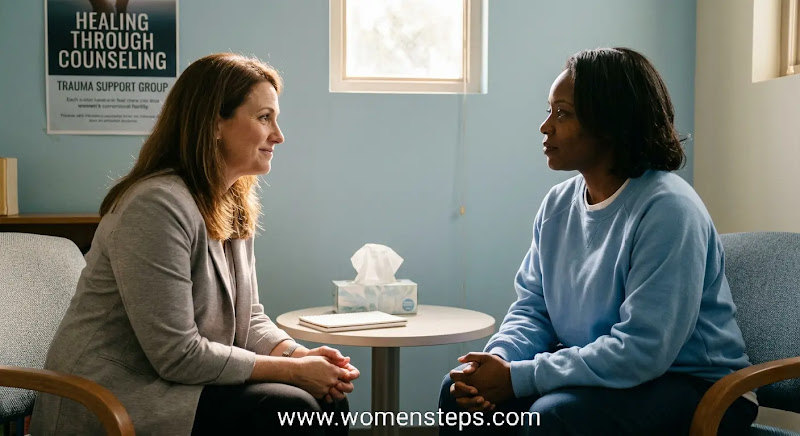
    Understanding the structure of women’s correctional facilities in the United States requires examining a specialized intersection of legal procedure, healthcare policy, and gender-responsive rehabilitation. Women represent one of the fastest-growing segments of the U.S. incarcerated population, requiring tailored approaches ranging from maternal care to trauma-informed programming.

    The Demographics of Female Incarceration in the United States

    Across federal prisons, state facilities, and municipal jails, women face distinct legal and social realities. Data from the Bureau of Justice Statistics (BJS) and leading criminal justice research bodies highlight key structural drivers behind female incarceration rates:

    • Primary Caregiver Responsibilities: Approximately 80% of women in local jails and nearly 60% in state prisons are mothers to minor children. Systemic incarceration directly impacts family stability and places intergenerational demands on social support networks.
    • Prevalence of Trauma & Abuse: Studies consistently indicate that a majority of incarcerated women report histories of domestic violence, physical assault, or emotional trauma prior to arrest. Modern facilities increasingly implement trauma-informed protocols to prevent re-traumatization during housing and security operations.
    • Specialized Clinical & Reproductive Needs: Female correctional facilities must manage complex healthcare needs, including prenatal support, reproductive health management, and age-specific medical care that differ substantially from male-centered prison systems.

    Gender-Responsive Pillars of Rehabilitation

    Gender-responsive strategies address the unique life circumstances of women to promote successful community reentry and reduce recidivism rates.

    1. Education and High-Growth Vocational Training

    Educational initiatives are essential for long-term economic independence after release. Programs sponsored by post-secondary institutions allow residents to complete vocational certifications, GEDs, and college degrees.

    Modern vocational programs have expanded beyond traditional service labor to offer training in financial literacy, software fundamentals, small business management, and digital skillsets aligned with today’s employment market.

    2. Family Reunification and Parent-Child Programs

    Preserving family bonds is vital for parental stability and child well-being. Key programs implemented in forward-thinking facilities include:

    • Child-Friendly Visitation Centers: Dedicated spaces featuring reading areas and interactive settings to ease the emotional burden of visits for children.
    • Parenting Education & Reunification Classes: Structured coursework aimed at helping mothers navigate family dynamics and legal guardianship obligations upon return.
    • Prison Nursery Initiatives: Select state facilities allow qualifying low-risk mothers to remain with their newborns for an initial bonding period post-delivery.

    3. Integrated Mental Health and Behavioral Healthcare

    Addressing underlying mental health challenges and substance use disorders is critical. Comprehensive institutions utilize Cognitive Behavioral Therapy (CBT), peer counseling networks, and dual-diagnosis clinical care to help residents build long-term emotional resilience.


    Reentry Frameworks and Community Integration

    Transitioning from custody back into society involves navigating structural hurdles. Female Community Reentry Programs (FCRP) and transitional housing networks provide core support across three areas:

    1. Housing Placement: Connecting individuals with stable, safe, and supportive transitional housing options.
    2. Workforce Transition Services: Partnering with employer networks open to second-chance hiring practices.
    3. Continuity of Healthcare: Ensuring uninterrupted access to community health centers, psychiatric services, and addiction recovery resources post-release.

    Advocacy and Judicial System Reforms

    Organizations such as The Sentencing Project and the American Civil Liberties Union (ACLU) advocate for ongoing policy changes, including:

    • Standardizing non-shackling legislation for pregnant women across all state jurisdictions.
    • Expanding diversion programs for non-violent offenses to emphasize treatment over incarceration.
    • Ensuring mandatory access to free, high-quality feminine hygiene products across all local, state, and federal facilities.

    Frequently Asked Questions

    1. How many women are currently incarcerated in the United States?

    Approximately 190,000 women and girls are held in U.S. state prisons, federal facilities, and local jails. Although men comprise the majority of the total prison population, the rate of growth for female incarceration has historically outpaced male incarceration rates.

    2. What are the most common offenses leading to female incarceration?

    Women in state facilities are disproportionately incarcerated for non-violent drug and property offenses compared to men. These charges are often connected to economic disadvantage, housing instability, or substance dependency.

    3. How can families locate an incarcerated loved one?

    To locate someone in federal custody, use the Federal Bureau of Prisons (BOP) Inmate Locator. For individuals in state prisons or local county jails, consult the official State Department of Corrections (DOC) portal or municipal sheriff’s office database using the person’s legal name or identification number.

    4. What is the difference between a county jail and a state prison?

    County Jails: Locally operated facilities holding individuals awaiting trial or serving short sentences (typically under one year).
    State/Federal Prisons: Long-term facilities managed by state or federal governments holding individuals convicted of felony-level offenses.


    ⚖️

    About the Author & Editorial Team

    WomenSteps Policy & Social Justice Editorial Board

    At WomenSteps, our social policy team analyzes topics surrounding criminal justice reform, community reentry, public policy, and legal rights affecting women. Our educational guides synthesize verified data from federal agencies, legal research organizations, and policy experts to provide accessible, high-authority information.

  • 10 Fascinating Facts About Nelson Mandela That Will Inspire You

    Portrait illustration of Nelson Mandela smiling, wearing a traditional Madiba shirt with Robben Island and a rising sun in the background.

    When we think of courage, resilience, and the power of forgiveness, one name stands above the rest: Nelson Mandela. Known affectionately in South Africa as Madiba, his life was a masterclass in turning “impossible” into “reality.”

    ​Whether you are an entrepreneur looking for motivation or a student of history, Mandela’s journey offers timeless lessons. Here are 10 fascinating facts about Nelson Mandela that will change the way you look at leadership and life.

    ​1. His Birth Name Meant “Troublemaker”

    ​Long before he was Nelson, he was born Rolihlahla Mandela. In the Xhosa language, Rolihlahla literally translates to “pulling the branch of a tree,” a colloquial term for a “troublemaker.” It seems he was destined to shake the foundations of the status quo from day one.

    A side-by-side digital art comparison showing a young Nelson Mandela as a "Troublemaker" activist and an older Mandela as a professional leader at a desk.

    ​2. He Received the Name “Nelson” on His First Day of School

    ​Growing up in a colonial education system, African children were often given English names by their teachers. On his first day of primary school, his teacher gave him the name “Nelson.” He didn’t know why that specific name was chosen, but it eventually became the name the entire world would chant for his freedom.

    ​3. He Co-Founded South Africa’s First Black Law Firm

    ​Mandela wasn’t just an activist; he was a brilliant legal mind. In 1952, he and his partner Oliver Tambo opened Mandela & Tambo. It was the first Black-run law firm in South Africa. They dedicated their practice to defending poor Black South Africans against the oppressive laws of Apartheid, proving that the pen and the law are as mighty as any sword.

    ​4. He Lived Under an Alias as a “Chauffeur”

    ​To evade the authorities during his underground activism, Mandela was a master of disguise. He traveled across South Africa as a chauffeur named David Motsamayi. He even traveled abroad for military training and support, hiding in plain sight to build the movement that would eventually liberate a nation.

    ​5. He Finished His Law Degree… From a Prison Cell

    ​Mandela never stopped learning. Despite being sentenced to life in prison, he enrolled in a correspondence program with the University of London. He spent his years on Robben Island studying by candlelight, eventually earning his Bachelor of Laws degree. His story is a powerful reminder that education is a weapon no one can take from you.

    A split-screen illustration of Nelson Mandela as a boxer representing discipline and Mandela studying law in a prison cell with glowing legal icons.

    ​6. He Used Sports to Heal a Broken Nation

    ​After becoming President in 1994, Mandela faced the monumental task of uniting a racially divided country. He famously used the 1995 Rugby World Cup—a sport previously seen as a symbol of white oppression—to bring all South Africans together. This incredible moment was later immortalized in the film Invictus.

    ​7. He Was an Amateur Heavyweight Boxer

    ​Mandela loved the “sweet science” of boxing. However, he didn’t love the violence; he loved the discipline. He once said, “In the ring, rank, age, color, and wealth are irrelevant.” For Mandela, boxing was an equalizer—a sport where only your hard work and strategy determined your success.

    ​8. He Was Still on the U.S. Terror Watch List Until 2008

    ​It is a shocking historical footnote, but Nelson Mandela and the African National Congress (ANC) remained on the United States’ official terror watch list until 2008. It took a special act of Congress to remove him, just in time for his 90th birthday, highlighting how long the struggle for global recognition truly lasted.

    ​9. He Turned a 67-Year Struggle into a Global Call to Action

    ​Mandela spent 67 years of his life fighting for social justice. Today, the UN recognizes July 18th as Mandela Day. People around the world are encouraged to spend 67 minutes of their time serving others—one minute for every year Mandela fought for us.

    ​10. He Chose Forgiveness Over Revenge

    ​The most fascinating thing about Mandela wasn’t his 27 years in prison, but what he did when he got out. Instead of calling for retribution against those who jailed him, he invited his former jailer to his presidential inauguration. He proved that forgiveness is the ultimate form of strength.

    Illustration of President Nelson Mandela and Francois Pienaar holding the Rugby World Cup trophy in a crowded stadium representing South African unity.

    ​Final Thoughts: The “Madiba” Legacy

    ​Nelson Mandela once said, “It always seems impossible until it is done.” His life is proof that no wall is too high to climb and no divide is too wide to bridge.

    ​Which of these facts inspired you the most? Share this article with someone who needs a reminder that they can overcome any obstacle!

    Frequently Asked Questions About Nelson Mandela

    ​How many years did Nelson Mandela spend in prison?

    ​Nelson Mandela spent 27 years in prison. He was incarcerated from 1962 to 1990 for his activism against the Apartheid regime. Most of his sentence was served on Robben Island, followed by stays at Pollsmoor Prison and Victor Verster Prison.

    ​What did Nelson Mandela do for South Africa?

    ​Nelson Mandela was the primary leader of the movement to end Apartheid, a system of institutionalized racial segregation. In 1994, he became South Africa’s first Black president in the country’s first fully representative democratic election, where he focused on reconciliation and rebuilding the nation.

    ​Why was Nelson Mandela awarded the Nobel Peace Prize?

    ​In 1993, Nelson Mandela was awarded the Nobel Peace Prize (jointly with F.W. de Klerk) for their peaceful work to terminate the Apartheid regime and for laying the foundations for a new, democratic South Africa.

    ​What is “Mandela Day”?

    ​Mandela Day is an international day of honor declared by the United Nations, observed annually on July 18th (his birthday). The day encourages people around the world to spend 67 minutes in service to others, representing the 67 years Mandela spent fighting for social justice.

    ​What does the name “Madiba” mean?

    ​”Madiba” is the name of the Xhosa clan to which Nelson Mandela belonged. In South Africa, using this clan name is a sign of deep respect and affection, similar to calling someone a “founding father” or an elder statesman.

    ​Did Nelson Mandela ever meet U.S. Civil Rights leaders?

    ​While Mandela was in prison during the height of the U.S. Civil Rights movement, he frequently cited leaders like Martin Luther King Jr. as inspirations. After his release, he visited the U.S. several times, meeting with various leaders and being honored for the parallels between his struggle and the American fight for equality.

    Editorial Transparency
    This article is intended for educational and inspirational purposes. While we strive for historical accuracy, the life of Nelson Mandela is vast and complex. We encourage readers to explore primary historical sources for a deeper account of his journey. Our goal is to celebrate the legacy of global icons who shaped our world.
  • Top 25 Best Women’s Basketball Players of All Time (2026)

    Top 25 Best Women’s Basketball Players of All Time (2026)

    Disclaimer: This article contains independent editorial rankings and analysis. We may earn a commission from affiliate links or display advertising, which supports our ongoing sports coverage at no additional cost to you.

    The history of women’s basketball is defined by glass-shattering dunks, tactical brilliance, and unmatched competitive drive. From the pioneers of the AIAW and early NCAA eras to the modern global superstars of the WNBA, these athletes have transformed women’s sports into a major force in global entertainment.

    In this definitive ranking, we break down the top 25 women’s basketball players of all time based on professional accolades, collegiate dominance, international hardware, and their lasting influence on basketball culture.

    The Mount Rushmore of Women’s Hoops

    1. Diana Taurasi

    The Standard of Excellence. Dubbed the “White Mamba” by Kobe Bryant, Diana Taurasi stands as the WNBA’s all-time leading scorer. With three WNBA championships, six Olympic gold medals, and three NCAA titles at UConn, her clutch performances and longevity remain unmatched in professional sports history.

    2. Cheryl Miller

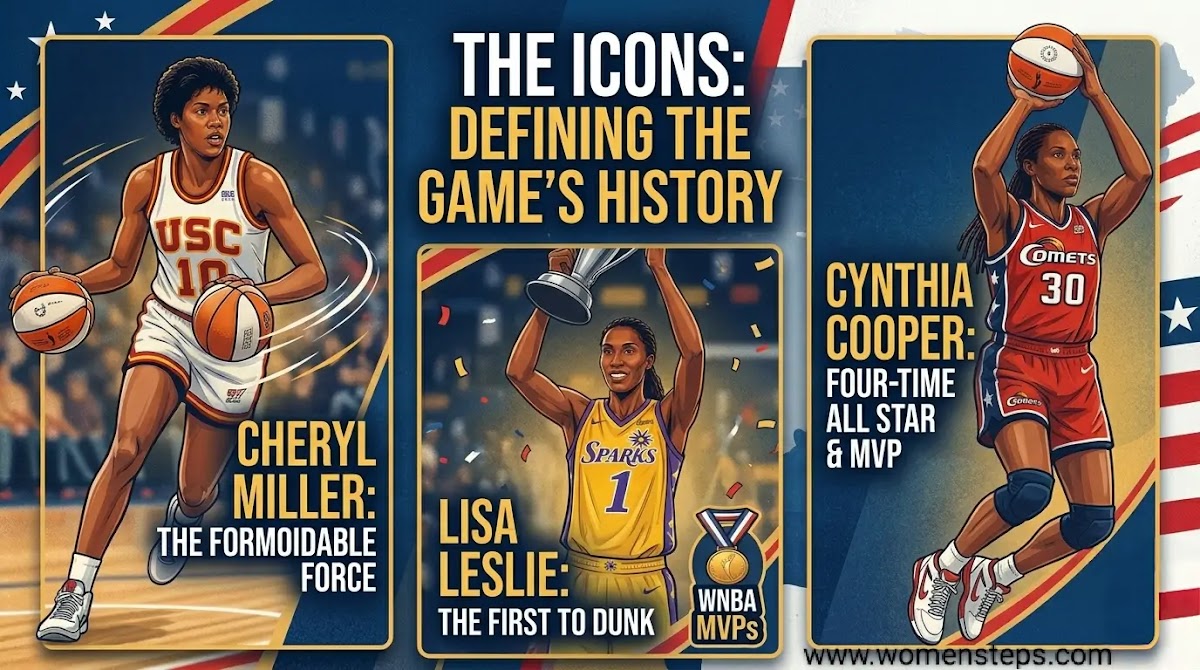
    Before the formation of the WNBA, Cheryl Miller set the bar for basketball athleticism. A two-time NCAA champion at USC who famously dropped 105 points in a single high school game, Miller’s dominant display at the 1984 Los Angeles Olympics catapulted women’s basketball into mainstream American sports media.

    3. Maya Moore

    Maya Moore is one of the most efficient winners in sports history. Over an eight-year span, she captured four WNBA titles with the Minnesota Lynx, two Olympic gold medals, and two NCAA championships. Her decision to step away at the peak of her career to advance criminal justice reform only reinforced her legacy.

    4. Lisa Leslie

    As the cornerstone of the early WNBA, Lisa Leslie anchored the Los Angeles Sparks dynasty while becoming the first player to dunk in a league game. A three-time MVP and four-time Olympic gold medalist, Leslie proved that frontcourt centers could blend elite rim protection with fluid offensive skill.

    5. Tamika Catchings

    Catchings defined defensive intensity and non-stop effort. A 10-time WNBA All-Star and 5-time Defensive Player of the Year, she remains the only player recorded at any competitive level to achieve an official quintuple-double (25 points, 18 rebounds, 11 assists, 10 steals, 10 blocks in high school).

    The Icons and Trailblazers

    6. Cynthia Cooper

    Despite entering the WNBA at age 34, Cooper orchestrated the Houston Comets dynasty, claiming the league’s first four consecutive championships alongside four Finals MVP awards.

    7. Sue Bird

    The all-time assists leader in WNBA history, Sue Bird set the gold standard for floor generals. Her court vision and elite decision-making led to four titles with the Seattle Storm across a 20-year career.

    8. Lauren Jackson

    Australia’s greatest basketball export, Jackson was a three-time WNBA MVP who revolutionized the center position by combining interior shot-blocking with soft perimeter range.

    9. Candace Parker

    Parker disrupted position norms by bringing point guard distribution to a 6’4″ frame. She remains the only player in WNBA history to capture Rookie of the Year and league MVP honors in the same season (2008).

    10. Breanna Stewart

    Stewart’s resume is defined by pure winning efficiency. After securing four straight NCAA titles and four Most Outstanding Player awards at UConn, she seamlessly transitioned to multi-time WNBA champion and MVP status.

    Defensive Anchors and Scoring Champions

    • 11. Sheryl Swoopes: The initial signee in WNBA history; a 3-time MVP and elite perimeter defender.
    • 12. Sylvia Fowles: The league’s premier glass-cleaner and all-time rebound leader upon her retirement.
    • 13. Elena Delle Donne: The premier perimeter tall guard who posted the first 50-40-90 shooting season in WNBA history.
    • 14. Yolanda Griffith: A physical interior presence who dominated the defensive paint during the league’s formative years.
    • 15. Carol Blazejowski: A pioneer scoring guard who famously set the Madison Square Garden single-game record with 52 points in 1978.
    • 16. Lindsay Whalen: A relentless competitor who anchored the backcourt during the Minnesota Lynx championship run.
    • 17. Seimone Augustus: An elite mid-range scorer whose ball-handling set the tone for modern wing play.
    • 18. Brittney Griner: A defensive anchor whose interior presence transformed rim protection stats.
    • 19. Tina Thompson: The original modern stretch-four who held the league’s scoring record for nearly a decade.
    • 20. Katie Smith: A physical perimeter defender with deep range and three championship rings.

    The Modern Era: Rising Legends

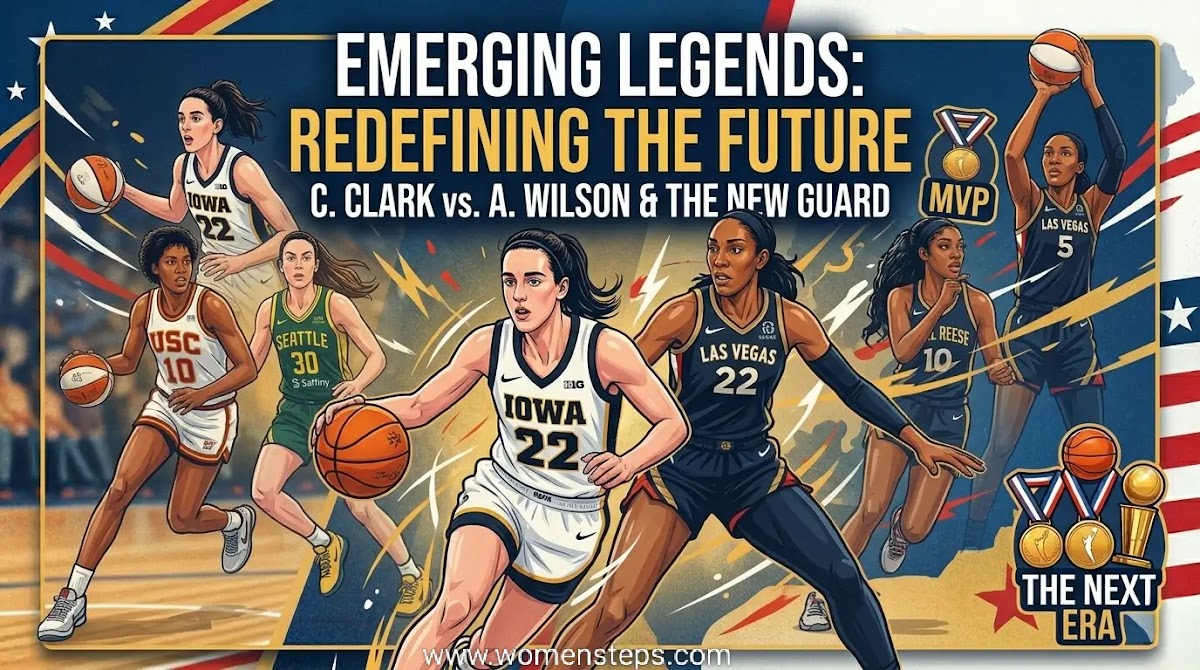
    • 21. A’ja Wilson: A dominant force for the Las Vegas Aces, Wilson’s MVP campaigns and rim-protection honors have rapidly elevated her into upper-tier historical rankings.
    • 22. Caitlin Clark: The NCAA Division I all-time leading scorer whose deep range and elite playmaking generated unprecedented growth and viewership metrics across basketball.
    • 23. Angel Reese: An elite interior rebounder who set historic rookie double-double marks while driving mainstream fan engagement.
    • 24. Aliyah Boston: A complete frontcourt anchor who earned National Championship MOP honors at South Carolina before transitioning seamlessly to the professional ranks.
    • 25. Paige Bueckers: A generational guard whose playmaking efficiency and National Player of the Year honors mark her as an integral face of modern basketball.

    WNBA All-Time Leaders Summary

    Player Career Points WNBA Titles MVP Awards
    Diana Taurasi 10,000+ 3 1
    Tina Thompson 7,488 4 0
    Tamika Catchings 7,173 1 1
    Sylvia Fowles 6,415 2 1

    Frequently Asked Questions

    Who is considered the GOAT of women’s basketball?

    While consensus varies depending on criteria, Diana Taurasi is most frequently recognized as the Greatest of All Time due to her scoring volume, six Olympic gold medals, and clutch performances across collegiate and professional play.

    Who holds the NCAA Division I women’s scoring record?

    Caitlin Clark holds the record for the most points scored in NCAA Division I history, surpassing Kelsey Plum during her tenure with the Iowa Hawkeyes.

    Which women’s basketball program has won the most NCAA national titles?

    The UConn Huskies program leads NCAA Division I history with 12 national championships under Hall of Fame head coach Geno Auriemma.

    Who is the tallest player in WNBA history?

    The tallest player in WNBA history was Małgorzata “Margo” Dydek, who stood 7 feet 2 inches (2.18 m) tall.

    About the Author

    WomenSteps Editorial Team covers women’s sports, career achievements, and leadership milestones. Our sports analysis relies on verified league statistics, historical game records, and official NCAA/WNBA data.


  • 7 Silent Signs of Vitamin D Deficiency in Women: Symptoms & Solutions

    Medical Disclaimer: This article is for informational purposes only and does not substitute for professional medical advice, diagnosis, or treatment. Always consult a board-certified physician or healthcare provider regarding a medical condition.

    Are you feeling constantly exhausted or dealing with unexplained muscle aches? You might be experiencing a Vitamin D deficiency without even knowing it. Recognized by health professionals worldwide, low Vitamin D is one of the most underdiagnosed nutritional shortages in modern women. Here are the 7 silent warning signs to watch for and how to safely raise your levels.

    The “Sunshine Vitamin” and Women’s Health

    Vitamin D is unique because it functions more like a hormone than a typical micronutrient. According to the National Institutes of Health (NIH), Vitamin D is essential for maintaining bone density, facilitating calcium absorption, and supporting immune system regulation.

    In the United States, nearly 42% of adults have deficient blood levels, with women facing a higher statistical risk due to hormonal fluctuations, pregnancy, menopause, and indoor-oriented lifestyles.

    7 Silent Signs of Vitamin D Deficiency

    1. Constant Fatigue and Low Energy

    One of the most frequently overlooked signs of low Vitamin D is chronic exhaustion that doesn’t improve with rest.

    • The Sign: Waking up feeling drained even after 7–8 hours of uninterrupted sleep.
    • The Science: Clinical studies published by the National Library of Medicine link severe Vitamin D deficiency directly to debilitating day-to-day fatigue in women.

    2. Unexplained Bone and Lower Back Pain

    Vitamin D plays an irreplaceable role in aiding calcium absorption into the skeletal framework.

    • The Sign: Persistent throbbing in the lower back, hips, or long bones.
    • Why It Matters: According to Mayo Clinic research, long-term deficiency increases the risk of osteopenia and premature osteoporosis, particularly during perimenopause and menopause.

    3. Frequent Illnesses and Infections

    If you catch every seasonal bug or flu strain that circulates, your immune system may lack necessary Vitamin D support.

    • The Sign: Recurrent upper respiratory infections, colds, or slow-recovering illnesses.
    • The Mechanism: Vitamin D directly interacts with T-cells and macrophages—the primary immune cells responsible for neutralizing pathogens.

    4. Mood Swings and the “Winter Blues”

    Receptors for Vitamin D are present in areas of the human brain responsible for regulating mood and emotion.

    • The Sign: Feeling persistent sadness, anxiety, or Seasonal Affective Disorder (SAD) during months with reduced daylight hours.

    5. Diffuse Hair Thinning

    While high stress levels are a frequent culprit, sudden or excessive hair shedding can indicate a systemic nutrient gap.

    • The Sign: Noticeable thinning at the crown or patchy hair loss (Alopecia Areata). Vitamin D stimulates new hair follicles; a lack of it leads to stalled growth cycles.

    6. Chronic Muscle Soreness and Weakness

    Low Vitamin D levels interfere with muscle fiber contraction and recovery speed.

    • The Sign: Muscles feel heavy, weak, or aching without high-intensity physical effort.

    7. Impaired Wound Healing

    Slow recovery following surgical procedures, skin injuries, or minor cuts can point to compromised tissue regeneration.

    • The Science: Vitamin D promotes the growth of new epidermal tissue and regulates inflammatory responses necessary for skin repair.

    How to Boost Your Vitamin D Levels Safely

    1. Targeted Sun Exposure: 15–20 minutes of midday sun on bare skin (arms and legs) two to three times a week helps trigger synthesis. Always apply SPF if staying out longer to protect skin health.
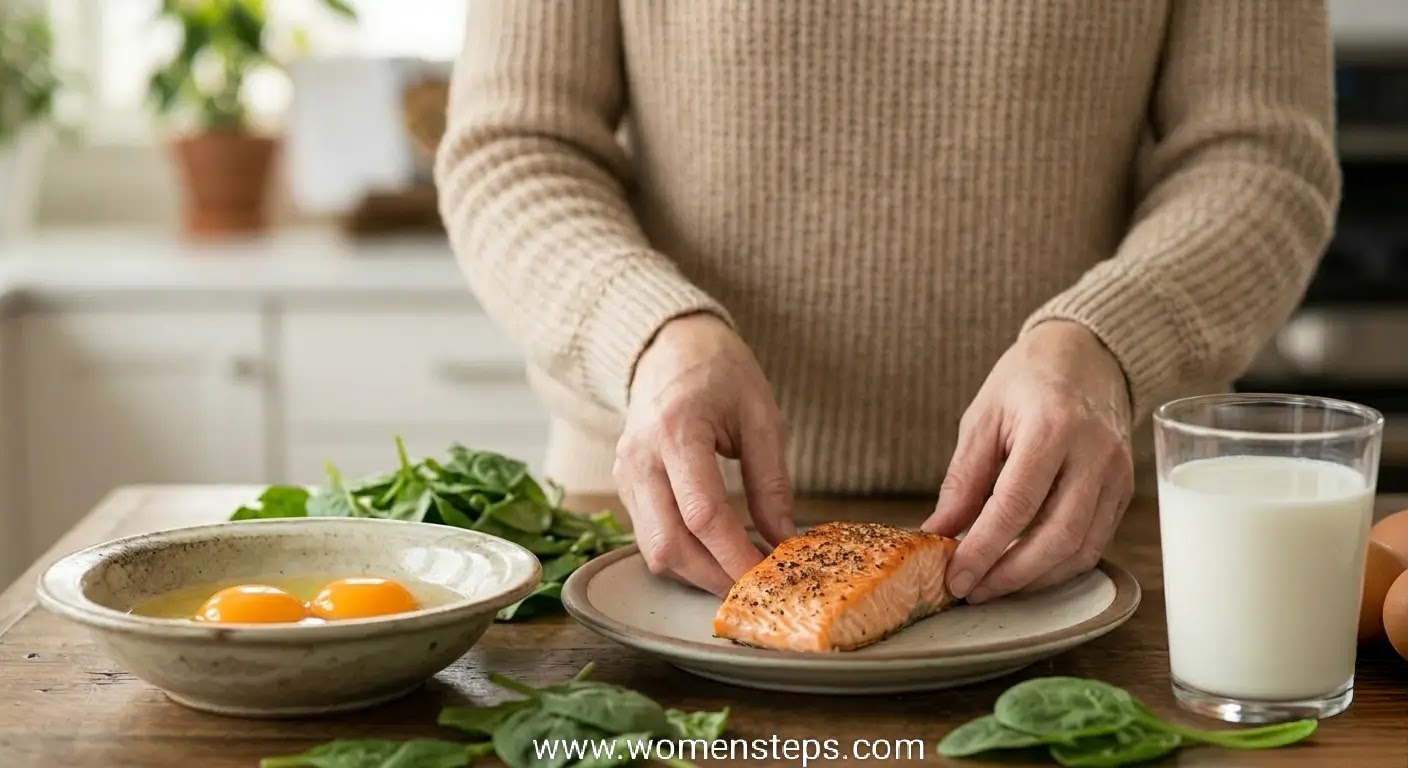
    2. Nutrient-Dense Diet: Prioritize wild-caught fatty fish (salmon, mackerel, sardines), pasture-raised egg yolks, beef liver, and high-quality fortified plant or dairy products.
    3. High-Quality D3 Supplementation: Vitamin D3 (cholecalciferol) is significantly more effective at raising blood levels than Vitamin D2. Consult a doctor to check your blood levels (25-hydroxyvitamin D test) before starting high-dose therapy.

    Frequently Asked Questions

    What is the normal range for Vitamin D in women?
    According to clinical standards, a blood level below 20 ng/mL indicates deficiency, 20–29 ng/mL is considered insufficient, and 30–50 ng/mL is optimal for bone and cardiovascular health.

    Can I get enough Vitamin D from diet alone?
    It is extremely difficult to meet daily requirements through food alone because very few natural food sources contain sufficient concentrations. A combination of moderate sun exposure, dietary sources, and targeted supplements works best.

    Who is at highest risk for Vitamin D deficiency?
    Women over age 50, individuals with darker skin tones (higher melanin reduces UV-B absorption), those living in northern US latitudes, and individuals with gastrointestinal absorption issues like celiac disease are at higher risk.


    Written by Richa M.

    Founder & Content Director at WomenSteps. Dedicated to providing research-backed wellness strategies, nutritional guidance, and practical health tips to empower women globally.

  • 7 Period Self-Care Tips: Pain Relief & Hormone Health

    7 Period Self-Care Tips: Pain Relief & Hormone Health

    Medical Disclaimer: The content on WomenSteps is for informational and educational purposes only and does not constitute formal medical advice. Always consult a board-certified gynecologist or physician for personalized medical evaluation and treatment.

    Menstruation is a natural physiological process, yet millions of women across the United States experience monthly discomfort ranging from mild bloating to debilitating dysmenorrhea (painful cramps) and hormonal mood swings. While every menstrual cycle is unique, how you care for your body during these 3 to 7 days directly influences your immediate comfort, energy levels, and long-term reproductive health.

    Implementing targeted dysmenorrhea management techniques can transform your monthly experience. According to clinical resources from the American College of Obstetricians and Gynecologists (ACOG), combining lifestyle adjustments with proper hygiene and nutrition provides significant relief. Here are 7 evidence-based self-care strategies to help you manage period pain and navigate hormonal changes with confidence.

    1. Reconsider Intimacy and Infection Prevention

    Medical professionals confirm that sexual intimacy during menstruation is a personal choice and generally safe. However, key physiological factors should be considered to protect your reproductive health:

    • Infection Risk Management: During menstruation, the cervix dilates slightly to allow menstrual flow to pass. This temporary change can slightly increase susceptibility to pelvic inflammation or bacterial infections if proper barrier protection is not used.
    • Contraceptive Awareness: Because ovulation timing can fluctuate—especially in irregular cycles—conception remains possible during your period. Utilizing barrier methods ensures protection against both unintended pregnancy and sexually transmitted infections (STIs).

    2. Gentle Movement vs. Intense Workouts

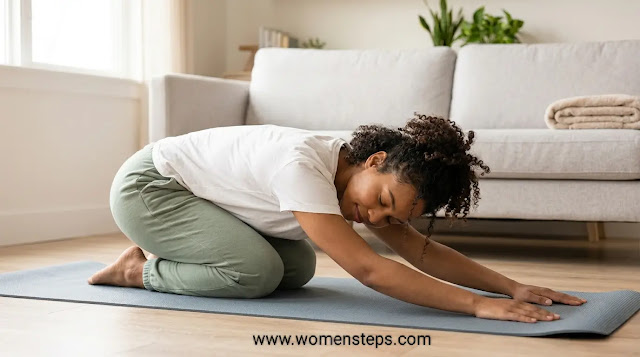
    A common misconception is that physical activity should be avoided entirely during your cycle. Research published by health authorities like the Mayo Clinic indicates that light aerobic exercise and gentle stretching significantly alleviate uterine cramping.

    • The Biological Mechanism: Low-impact activity stimulates the release of beta-endorphins, which act as natural neurochemical painkillers while enhancing systemic blood circulation.
    • Smart Adjustments: Tailor your movement to your energy levels. Swap high-intensity interval training (HIIT) or heavy weightlifting for restorative yoga, pelvic floor stretching, or walking to relieve lower back and abdominal tension.

    3. Prioritize Rest and Cortisol Regulation

    Hormonal fluctuations during the luteal and menstrual phases often trigger fatigue. High psychological stress elevates circulating cortisol levels, which can intensify uterine muscle contractions and heighten pain perception.

    Self-Care Strategy: Prioritize 7 to 9 hours of quality sleep each night. If your routine demands prolonged standing or strenuous tasks, incorporate short resting intervals, apply local heat therapy (such as a heating pad), and practice deep diaphragmatic breathing to keep your central nervous system balanced.

    4. Master Menstrual Hygiene Standards

    Maintaining optimal vaginal hygiene prevents bacterial overgrowth, localized irritation, and rare complications like Toxic Shock Syndrome (TSS). Choosing high-quality menstrual products suited to your flow is essential:

    • The 4-to-6 Hour Change Rule: Gynecologists advise changing traditional sanitary pads and tampons every 4 to 6 hours, regardless of flow volume, to maintain balanced vaginal microflora.
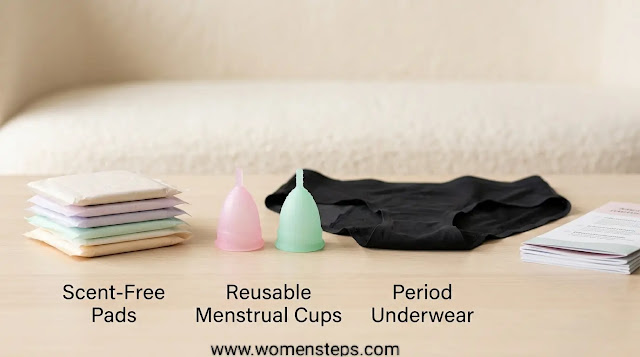
    • Modern Sustainable Options: Medical-grade silicone menstrual cups and multi-layer period underwear offer safe, hypoallergenic alternatives that can be worn for up to 8–12 hours depending on flow intensity.

    5. Opt for Breathable, Non-Restrictive Clothing

    Wearing tight clothing—such as high-compression leggings or restrictive denim—exerts external pressure on an already inflamed abdomen, compounding fluid retention and physical discomfort.

    • Microbiome Protection: Synthetic fabrics can trap heat and moisture, disrupting vaginal pH and increasing the risk of candidiasis (yeast infections).
    • Comfort Protocol: Wear loose-fitting cotton loungewear and breathable natural-fiber underwear to promote air circulation and lessen pelvic tightness.

    6. Manage Skin Sensitivity and Contact Dermatitis

    Experiencing external vulvar itching or burning during your period is not always a sign of infection—it often indicates localized contact dermatitis caused by hygiene products.

    • Common Triggers: Fragrance additives, synthetic bleaches, and plastic liners in conventional pads can irritate sensitive dermal tissue.
    • Recommended Action: Switch to unbleached, fragrance-free organic cotton products. If itching persists alongside unusual odor or discharge, consult a healthcare provider to rule out bacterial vaginosis or yeast imbalance.

    7. Combat Bloating Through Strategic Hydration and Nutrition

    Premenstrual and menstrual fluid retention is driven by shifts in progesterone and estrogen levels. You can counteract this bloating through simple dietary adjustments according to recommendations from the Office on Women’s Health (OASH):

    • Reduce Sodium Intake: Limit highly processed and salty foods, as excessive sodium encourages extracellular water retention.
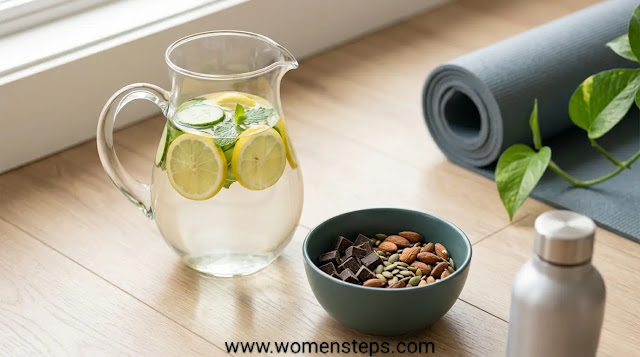
    • Increase Water Consumption: Drinking 8 to 10 glasses of water daily helps your kidneys flush out surplus sodium and reduces abdominal swelling.
    • Micronutrient Support: Incorporate magnesium-rich foods like dark leafy greens, pumpkin seeds, and dark chocolate to support smooth muscle relaxation and ease cramp severity.

    When to Consult a Healthcare Provider

    While mild to moderate cramps are common, severe pain that disrupts daily activities or causes heavy bleeding (such as soaking through a pad or tampon every hour) is not normal. These symptoms may indicate underlying gynecological conditions such as endometriosis, uterine fibroids, or adenomyosis. Always schedule a comprehensive evaluation with a board-certified gynecologist if your period symptoms are debilitating.

    Frequently Asked Questions (FAQ)

    1. Is severe fatigue normal during my period?

    Mild to moderate fatigue is common due to declining estrogen and progesterone levels right before bleeding starts. However, significant fatigue caused by heavy menstrual bleeding may point to iron deficiency (anemia). Consuming iron-dense foods like lentils, spinach, and lean meats alongside vitamin C can help restore energy levels.

    2. What are the best anti-inflammatory foods for period cramps?

    Foods rich in magnesium (dark chocolate, seeds, bananas) help relax uterine muscle tissue. Omega-3 fatty acids found in wild-caught salmon, walnuts, and flaxseeds work to decrease systemic inflammation. Reducing caffeine and refined sugar can also prevent amplified cramping and mood swings.

    3. What is considered a healthy menstrual cycle length?

    A typical adult menstrual cycle ranges from 21 to 35 days, with active bleeding usually lasting between 3 and 7 days. If your cycle consistently falls under 21 days, extends beyond 35 days, or bleeding lasts longer than 8 consecutive days, seek guidance from a medical practitioner.

    4. How does light exercise reduce menstrual pain?

    Light aerobic activity—such as swimming, walking, or low-impact yoga—enhances blood circulation throughout the pelvic region and triggers endorphin release. Endorphins function as natural pain inhibitors, helping mitigate abdominal cramping and lower back tension.

    5. What causes the “period flu” or nausea during menstruation?

    Symptoms known colloquially as “period flu” (including nausea, headaches, and low-grade fatigue) are primarily caused by prostaglandins. These hormone-like compounds stimulate uterine contractions; when elevated levels enter the systemic circulation, they can temporarily upset digestion and cause general body discomfort.

    About the Author: RICHA M

    RICHA M is an entrepreneur, business strategist, and the founder of WomenSteps. Dedicated to empowering women through evidence-based health insights, self-care strategies, and modern lifestyle resources, she helps readers navigate wellness choices with clarity and confidence.

  • 50+ Best Phoenix Tattoo Ideas for Women: Meaning & Placement

    50+ Best Phoenix Tattoo Ideas for Women: Meaning & Placement

    Editorial Note: This guide is designed for artistic inspiration and educational purposes. When getting body art, ensure you consult a licensed professional tattoo artist and follow recommended health and dermatological aftercare standards.

    In the realm of modern body art, few symbols carry as much timeless grace and profound meaning as the Phoenix. Revered across ancient Greek, Egyptian, and East Asian mythologies, the legendary firebird represents far more than an extraordinary creature—it stands as a universal icon of transformation, resilience, and the unyielding female spirit.

    Whether you are commemorating a major personal triumph, marking a new chapter after a life challenge, or seeking a striking design that mirrors your inner fire, a phoenix tattoo is a powerful choice. This guide delves into the symbolism, popular placement strategies, and design styles favored across top American studios today.

    What Does a Phoenix Tattoo Symbolize?

    The core myth of the phoenix centers on cyclical rebirth. According to historical records cataloged by the Smithsonian Institution, classical legends depict the phoenix living for centuries before constructing a nest of aromatic cinnamon and myrrh. The bird ignites in flames and, from its own ashes, emerges renewed and stronger than before.

    For women, incorporating this mythology into custom tattoo artistry carries multi-layered symbolism:

    • Resilience & Overcoming Adversity: Serves as a visual testament to surviving emotional, physical, or career hardship.
    • Rebirth & New Beginnings: Commemorates pivotal life milestones such as personal growth, recovery, or starting anew.
    • Autonomy & Personal Power: Because the phoenix recreates itself through its own fire, the design highlights self-reliance and sovereignty over one’s journey.
    • Cultural Elegance: In East Asian traditions preserved at the Metropolitan Museum of Art, the mythological Fenghuang represents high virtue, grace, and the balanced union of feminine energy (Yin).

    Trending Phoenix Tattoo Styles for Women

    Advances in modern tattooing techniques have made the phoenix one of the most versatile motifs in fine art tattooing:

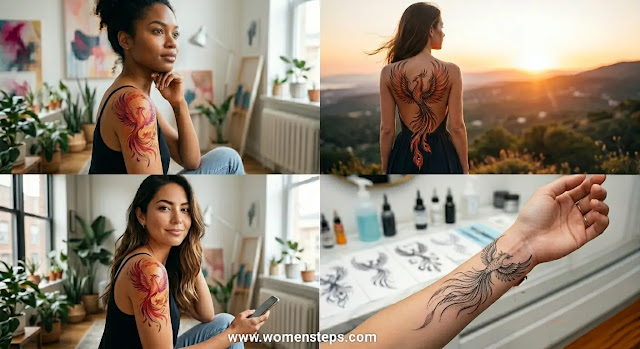
    • Fine-Line & Minimalist: Utilizes single-needle precision for subtle, delicate silhouettes on wrists, collarbones, or ankles.
    • Watercolor & Expressive Color: Blends soft gradient pigments of crimson, gold, indigo, and violet to create a fluid, painterly effect.
    • Illustrative Blackwork: Relies on detailed stippling, linework, and shading to highlight feather texture without requiring full-color saturation.
    • Japanese Traditional (Irezumi): Features bold outlines, dynamic movement, and traditional background elements like clouds and cherry blossoms.

    Optimal Placement Ideas & Anatomy Alignment

    Choosing the ideal placement depends on your desired visibility, budget, and pain tolerance. Professional artists certified by industry organizations like the Alliance of Professional Tattooists (APT) recommend aligning the design with your body’s natural contours:

    • Full Back or Spine: Offers an expansive canvas for sweeping wing spans and dramatic tail feathers, perfect for elaborate statement pieces.
    • Thigh & Side Hip: Follows natural body curves, allowing the tail feathers to flow downward for an elegant, easily concealable look.
    • Forearm & Inner Arm: Ideal for mid-sized designs that serve as daily personal reminders of inner strength.
    • Ribcage & Sternum: An intimate location close to the heart, favored for fine-line or micro-realism concepts.

    Essential Preparation & Dermatological Aftercare

    Ensuring your tattoo heals cleanly and retains bright pigment requires proper care before and after your studio session:

    1. Pre-Session Preparation: Hydrate well, avoid alcohol or blood-thinning medications for 24 hours prior, and keep the skin moisturized.
    2. Sanitary Practice: Verify that your chosen studio uses sterile, single-use equipment and holds valid state health department licensing.
    3. Aftercare Protocol: Gently wash the fresh ink with fragrance-free antibacterial soap, apply a thin layer of specialized ointment, and avoid direct sun exposure or soaking in water until fully healed.

    Frequently Asked Questions (FAQ)

    What is the spiritual meaning of a phoenix tattoo for a woman?

    For most women, a phoenix tattoo symbolizes resilience, rebirth, and personal transformation. It represents triumphing over adversity and stepping into a new phase of life with renewed strength.

    Where is the most flattering placement for a phoenix tattoo?

    The back, thigh, and outer arm are among the most popular spots. Larger areas like the back or thigh provide ample space for flowing tail feathers and detailed wings, while smaller placements like the wrist or forearm suit minimalist concepts.

    Does a phoenix tattoo require full color?

    Not at all. While classic fire-bird designs feature vibrant reds, oranges, and yellows, modern fine-line blackwork, greywash shading, and cool-toned watercolor palettes (blues and purples) offer striking alternatives.

    How do I ensure optimal healing for detailed line work?

    Follow your artist’s aftercare instructions closely, use mild fragrance-free cleansers, avoid picking or peeling dry skin, and apply a broad-spectrum sunscreen once the tattoo is fully healed to prevent color fading.

    About the WomenSteps Editorial Team

    WomenSteps curates inspirational guides on lifestyle, self-expression, wellness, and body art. Our content is thoroughly researched and reviewed to align with modern aesthetic trends and professional safety standards.

  • Healthy Snacks for Pregnant Women: Pregnancy Nutrition Guide

    Medical Disclaimer: The information provided in this article is for educational and informational purposes only and is not intended as medical advice. Always consult your obstetrician, healthcare provider, or registered dietitian before making significant changes to your prenatal diet.

    Navigating the world of prenatal nutrition can feel overwhelming. When you’re eating for two, the afternoon energy slump hits harder, and cravings can easily lead toward empty calories. However, choosing the right nutrient-dense snacks isn’t just about satisfying hunger—it is about fueling your baby’s brain development, supporting maternal health, and maintaining stable blood sugar levels.

    In this comprehensive guide, we break down the best healthy snacks for pregnant women, backed by nutritional science and tailored for a busy lifestyle.

    Why Smart Snacking Matters During Pregnancy

    According to maternal health guidelines from the Centers for Disease Control and Prevention (CDC) and the USDA MyPlate Program, pregnancy does not require doubling your food intake. Instead, it requires increasing your consumption of vital micro- and macronutrients such as Folic Acid, Iron, Calcium, Choline, and Omega-3 fatty acids (DHA).

    Strategic prenatal snacking helps prevent and manage common pregnancy challenges:

    • Gestational Fatigue: Stabilizes blood glucose levels to combat sudden energy crashes.
    • Morning Sickness & Nausea: Small, frequent, bland snacks help neutralize stomach acid and keep nausea at bay.
    • Gestational Diabetes & Preeclampsia Risks: High-fiber, protein-rich choices aid in controlling blood sugar spikes and supporting healthy weight gain.

    1. Protein-Packed Power Snacks

    Dietary protein provides essential amino acids needed for embryonic cellular growth and tissue development.

    • Greek Yogurt with Berries: Plain Greek yogurt packs up to double the protein of regular yogurt and provides dietary calcium for fetal bone development. Top with fresh blueberries or strawberries for antioxidants and fiber.
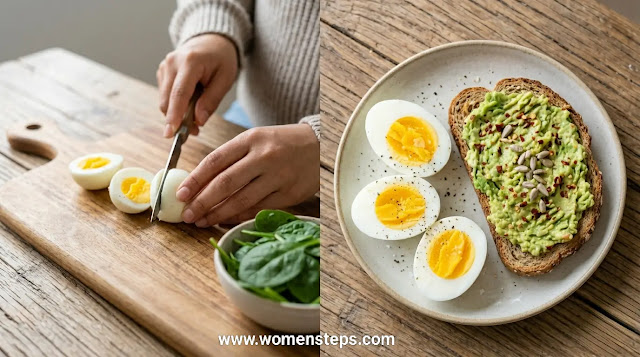
    • Hard-Boiled Eggs: Eggs are a rich natural source of Choline, an essential nutrient highlighted by the National Institutes of Health (NIH) for neural tube integrity and brain development.
    • Steamed Edamame: Young soybeans offer a plant-based protein complete with dietary fiber, folate, and iron to prevent pregnancy-related constipation and anemia.

    2. Smart Carbs & Healthy Fats for Sustained Energy

    Complex carbohydrates combined with healthy fats slow down digestion, keeping you satisfied without sharp insulin spikes.

    • Apple Slices with Natural Peanut Butter: Fiber-rich apple slices paired with unsweetened peanut or almond butter deliver a comforting mix of healthy fats, protein, and sustained energy.
    • Whole-Grain Avocado Toast: Whole-grain bread supplies essential B vitamins and complex carbs, while avocado provides monounsaturated fatty acids and folate to support fetal health.
    • Oatmeal with Walnuts & Seeds: Oats contain soluble fiber (beta-glucan) and iron. Adding walnuts introduces alpha-linolenic acid (ALA), a plant-based omega-3 fatty acid.

    3. On-the-Go Nutritious Bites

    For busy working mothers-to-be, convenient portable options make staying on track easier:

    • Low-Sodium Custom Trail Mix: Combine raw almonds, pumpkin seeds, and unsweetened dried fruit. Pumpkin seeds deliver magnesium, which helps minimize third-trimester leg muscle cramps.
    • Hummus with Fresh Veggie Sticks: Crisp carrots, bell peppers, and cucumber slices paired with chickpea hummus deliver vitamins A, C, and fiber.
    • Cottage Cheese with Fresh Fruit: Pasteurized cottage cheese provides protein and calcium, while fresh pineapple or peaches offer a natural touch of sweetness and digestive enzymes.

    Pregnancy Food Safety: Key Guidelines

    To adhere to strict food safety practices established by the U.S. Food and Drug Administration (FDA), take precautions with the following:

    1. Unpasteurized Dairy & Juices: Always ensure milk, soft cheeses, and fruit juices carry a “Pasteurized” label to avoid Listeria contamination.
    2. High-Mercury Seafood: Avoid shark, swordfish, king mackerel, and tilefish. Limit canned light tuna in accordance with FDA consumption thresholds.
    3. Unwashed Produce: Thoroughly wash all raw fruits and vegetables under running water to eliminate risk of Toxoplasmosis exposure.

    Hydration & Prenatal Wellness

    Sensations of hunger are frequently mild signs of dehydration. Leading health authorities advise pregnant women to consume approximately 8 to 12 cups (64–96 ounces) of fluid daily. Adequate hydration supports amniotic fluid levels and reduces constipation. Infuse plain water with lemon slices, cucumber, or mint leaves for a refreshing alternative.

    Frequently Asked Questions (FAQs)

    Can I eat spicy snacks while pregnant?

    Yes. Spicy foods are completely safe for your developing baby. However, they may trigger heartburn or gastroesophageal reflux (GERD) in the second and third trimesters as hormone levels relax the esophageal sphincter.

    Is it safe to consume caffeine during pregnancy?

    According to the American College of Obstetricians and Gynecologists (ACOG), moderate caffeine consumption under 200 milligrams per day (roughly equivalent to one 12-ounce cup of brewed coffee) does not appear to be a major contributing factor in miscarriage or preterm birth.

    How many snacks should I have per day during pregnancy?

    Most clinical dietitians suggest eating three balanced main meals along with two or three nutrient-dense snacks throughout the day to support energy levels and maintain stable blood sugar.

    About the WomenSteps Editorial Team

    WomenSteps delivers evidence-based wellness, maternal health, and lifestyle guidance. Our pregnancy and health content is thoroughly researched and aligned with recommendations from trusted health organizations including ACOG, the CDC, and the NIH.

  • Women’s Health Advice Nurse: Career Guide & Research

    Medical & Professional Disclaimer: This guide is for educational and informational purposes only and does not constitute medical, legal, or professional career advice. Always consult with a licensed healthcare professional or accredited academic advisor for clinical decisions or degree guidance.

    Navigating a Career in Women’s Health: From Advice Nursing to Clinical Research

    If you are passionate about female wellness, pursuing a career in women’s healthcare is both rewarding and financially lucrative. However, with diverse specialties available—from labor and delivery to gynecologic oncology—knowing where to start can be overwhelming.

    One of the most vital yet rapidly growing roles in the US healthcare system is the Women’s Health Advice Nurse. These healthcare professionals serve as the first line of support, helping patients navigate symptoms, post-operative care, and reproductive health via phone or digital triage systems.

    How to Become a Women’s Healthcare Nurse in the US

    In the United States, becoming a specialist in women’s health requires a specific educational, licensing, and certification path:

    • Step 1: Earn Your Nursing Degree: Graduate from an accredited nursing program with an Associate Degree in Nursing (ADN) or, preferably, a Bachelor of Science in Nursing (BSN) to maximize hiring potential and salary grade.
    • Step 2: Pass the NCLEX-RN: To practice in any US state, you must pass the National Council Licensure Examination (NCLEX-RN) administered by the National Council of State Boards of Nursing.
    • Step 3: Gain Clinical Experience: Most telehealth and telephone advice nurse roles require 2 to 5 years of bedside clinical experience in OB/GYN or primary care.
    • Step 4: Advanced Specialization (WHNP-BC): Top healthcare networks prioritize candidates with a Women’s Health Nurse Practitioner (WHNP) credential. This requires a Master of Science in Nursing (MSN) or Doctor of Nursing Practice (DNP) and national board certification through the National Certification Corporation (NCC).

    The Role of Clinical Trials in Women’s Medicine

    A key responsibility for advanced practice nurses is staying informed on emerging therapies. Clinical trials monitored by the US Food and Drug Administration (FDA) serve as the foundation for modern evidence-based therapeutics.

    Why Female Inclusion in Research Matters

    Historically, medical research excluded women of childbearing age due to concerns regarding hormonal variances and reproductive safety. Today, targeted clinical research in women’s health is essential for several reasons:

    1. Pharmacokinetic & Biological Differences: Women absorb, metabolize, and excrete medications differently than men due to hormonal fluctuations and body mass ratios.
    2. Specialized Disease Research: Dedicated clinical trials advance treatments for conditions unique to female biology, such as endometriosis, polycystic ovary syndrome (PCOS), and maternal mortality risk factors.
    3. Safety & Efficacy Standards: Strict trial protocols evaluate long-term side-effect profiles across diverse demographic populations.

    The Four Phases of Clinical Trials

    The FDA mandates a rigorous four-phase trial pipeline prior to market authorization in the United States:

    • Phase I: Evaluates safety, side effects, and safe dosage ranges in a small group of human volunteers (20–80 people).
    • Phase II: Assesses efficacy and biological targeting for specific conditions in a larger cohort (100–300 people).
    • Phase III: Involves large-scale randomized controlled trials (RCTs) across thousands of patients to compare efficacy against standard-of-care treatments.
    • Phase IV: Post-market surveillance monitoring long-term safety data across the general population.

    Ethical Framework: All US clinical trials operate under strict oversight from Institutional Review Boards (IRBs) and the National Institutes of Health (NIH) to guarantee participant safety and informed consent.

    Frequently Asked Questions (FAQ)

    1. What is the difference between a Registered Nurse (RN) and a Women’s Health Nurse Practitioner (WHNP)?

    An RN provides general clinical care and patient education under a physician’s supervision. A WHNP is an Advanced Practice Registered Nurse (APRN) holding a Master’s or Doctorate degree, licensed to diagnose conditions, prescribe medications, and manage complete clinical care plans independently or collaboratively.

    2. How long does it take to become a women’s health nurse in the US?

    Becoming an RN takes 2 to 4 years (ADN vs. BSN degree). Specializing as a WHNP requires an additional 2 to 3 years of graduate study, plus required clinical hours.

    3. Are clinical trials safe for human participants?

    While all medical studies carry intrinsic risks, trials in the US are regulated by the FDA and monitored by Independent Review Boards (IRBs). Patients must complete a comprehensive Informed Consent process before participating.

    4. How do I search for active women’s health clinical trials in the US?

    Patients and healthcare providers can locate legitimate, federally monitored clinical studies via the official database at ClinicalTrials.gov.